Vision Edge PRO for Athletes and Sports Vision
How to Improve Sports Vision with Vision Edge PRO
Your eyes process thousands of decisions every game, tracking a ball, reading a defense, recovering from glare, locking onto a target. That’s not just eyesight. That’s sports vision, and it’s trainable, but only if your visual system has the nutritional foundation to perform. If you’re looking into sports vision supplements that actually work at the macular level, Vision Edge PRO was built specifically for this. It’s also one of the more targeted eye health supplements available, combining three macular carotenoids with omega-3 in one formula designed around athletic visual performance.
If your eyes feel heavy by mid-afternoon, your contrast feels off in bright light, or you’re slower to pick up visual cues than you used to be, this is worth understanding. There’s a clinical reason it happens, and a targeted nutritional approach that addresses it.
What Screen Time Actually Does to Your Visual Performance
Whether you’re tracking a ball at full speed, reacting to a defense shift, or grinding through late-night film review after practice, your eyes are working at a level most people never consider. Sustained high-speed visual processing, bright outdoor environments, and screen time all place different but compounding demands on the same visual system. Here’s what’s actually happening beneath the surface:
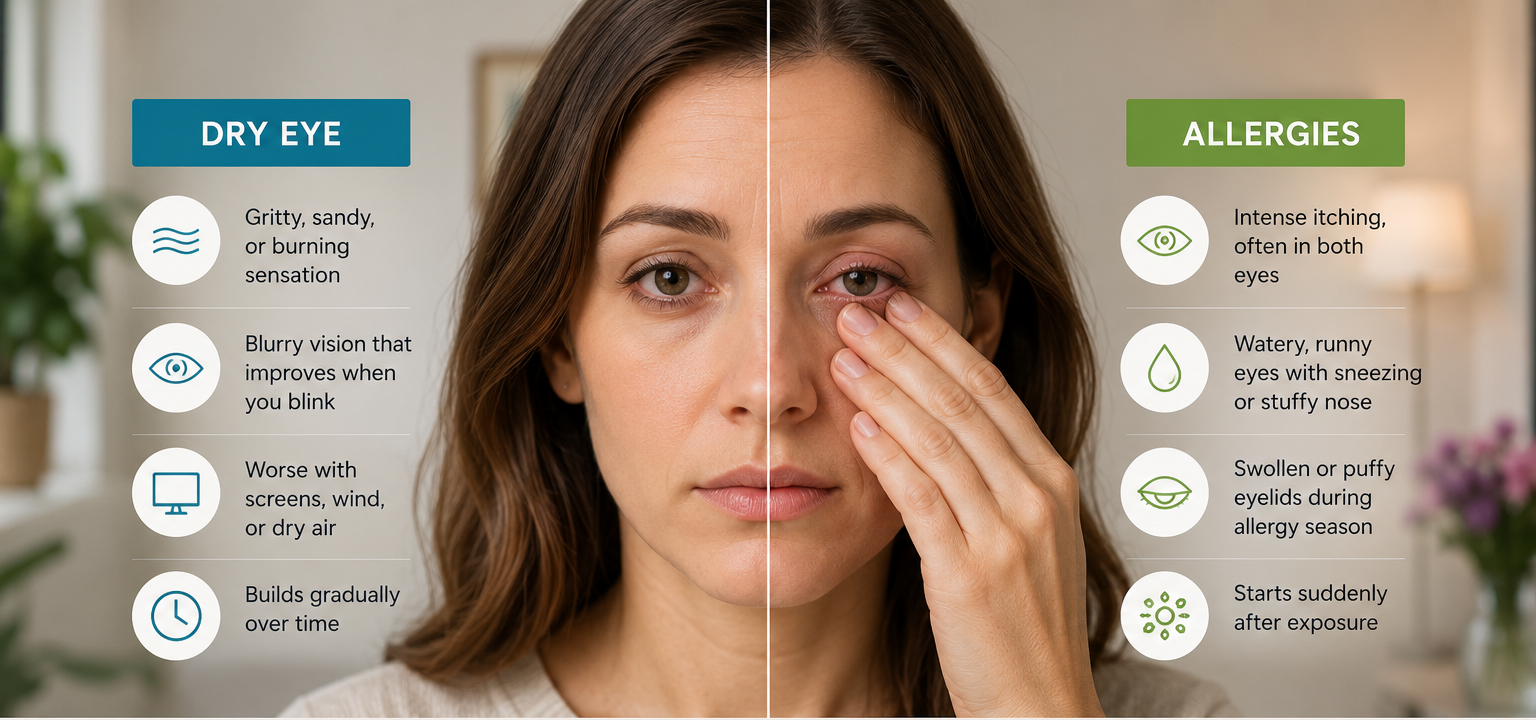
When you’re locked into a screen, whether that’s film review, coursework, gaming, or scrolling through a phone or tablet at close range, your blink rate drops by up to 60%. Less blinking means your tear film evaporates faster, your eyes dry out, and the ocular surface becomes unstable. Small screens like phones and tablets actually make this worse, because your eyes are forced to work harder to focus on fine detail at short distances. At the same time, your ciliary muscles, the muscles that control focus, stay contracted for extended periods. That sustained effort creates the heavy, aching feeling that signals your eyes have hit their limit.
But there’s something happening deeper than surface fatigue: the macula. The macula is the central part of your retina responsible for sharp, high-contrast vision, the vision you use to track fast movement, read a defense, or pick up a ball against a bright sky. Blue light from screens and intense outdoor light both generate oxidative stress at the macular level. Over time, that stress degrades macular pigment, your eye’s built-in filter and protective layer.
Why Macular Pigment Is the Key to Sports Vision Support
Macular pigment is made of three carotenoids: lutein, zeaxanthin, and meso-zeaxanthin. Together, they act like internal sunglasses, filtering blue light, cutting glare, and protecting photoreceptor cells from oxidative damage. For sports vision support, macular pigment density directly affects contrast sensitivity and glare recovery, two of the most important visual skills in competitive sport.
Here’s the catch: your body doesn’t make these carotenoids. They have to come from diet. Leafy greens, eggs, and yellow-orange vegetables are the main sources, but most people, especially college students and athletes eating on the go, don’t get close to enough. When macular pigment density is low, the effects are measurable: reduced contrast sensitivity, slower glare recovery, and lower tolerance for visual fatigue.
The American Academy of Ophthalmology (AAO) recognizes lutein and zeaxanthin as key carotenoids that accumulate in the macula and support retinal health, making adequate intake through diet or supplementation an important part of long-term visual performance.
For a broader look at how eye supplements fit together, including omega-3, antioxidants, and carotenoids, this overview of premium eye supplements is a useful starting point before diving into the specifics of Vision Edge PRO.
What Vision Edge PRO Does Differently
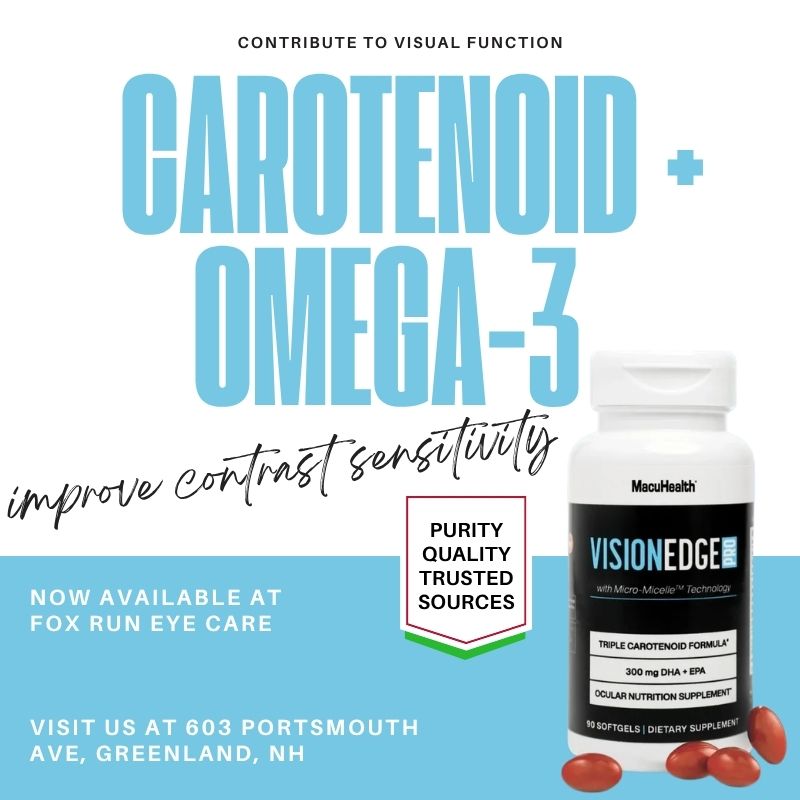
Most eye supplements address either carotenoids or omega-3 separately. Vision Edge PRO is built around a different premise: carotenoids are the core of the formula, with omega-3 added to complete the picture. The result is a supplement designed specifically around the visual demands athletes and screen users face every day.
Three Carotenoids in a Clinically Studied Ratio
Vision Edge PRO contains meso-zeaxanthin, lutein, and zeaxanthin in a 10:10:2 ratio. This specific ratio has been shown in research to increase macular pigment density, which in turn supports measurable improvements in contrast sensitivity and vision in glare, two of the visual performance factors that matter most in sport. Lutein and zeaxanthin deposit throughout the macula; meso-zeaxanthin concentrates at the very center, the area most critical for sharp central vision, and is the hardest of the three to obtain from diet alone.
Micro-Micelle Technology for Better Absorption
Carotenoids are fat-soluble, which means how well they absorb depends heavily on how they’re delivered. Vision Edge PRO uses Micro-Micelle Technology to preserve the solubility of lutein, meso-zeaxanthin, and zeaxanthin, enhancing their bioavailability so they can actually reach eye tissue. This technology supports the SR-B1 protein, which plays a key role in transporting carotenoids from the bloodstream into the retina. Better delivery means more of what you take actually gets to where it’s needed.
Omega-3 to Complete the Formula
Vision Edge PRO includes 300 mg of DHA and EPA, the amount recognized by major health organizations as meeting the minimum daily requirement for omega-3 intake. DHA is a structural component of retinal photoreceptor membranes; EPA supports the anti-inflammatory pathways that keep the ocular surface calm under training and screen stress. The omega-3 in Vision Edge PRO isn’t the headline, but it’s an important part of what makes the formula complete, addressing ocular surface health alongside the macular support the carotenoids provide.
The Synergistic Advantage
Research on carotenoids and omega-3 taken together shows a greater effect on macular pigment density than carotenoids alone. The fatty acid environment provided by DHA appears to support how lutein and zeaxanthin are incorporated into retinal tissue. Vision Edge PRO was formulated with this in mind, combining the three carotenoids and omega-3 in one softgel rather than leaving athletes to piece together separate supplements.
Who Actually Benefits from Vision Edge PRO
Vision Edge PRO was built for people whose eyes never really get a break, grinding through coursework and film review on a laptop, then switching straight to practice, competition, or an outdoor training session. If that sounds like your average Tuesday, this supplement was designed with you in mind.
- Athletes and student-athletes at colleges and schools across the Seacoast region putting in game film, coursework, and training back-to-back
- Esports players, competitive gamers, and anyone logging several hours in front of a monitor daily, where sustained screen exposure and high visual demand combine to accelerate macular pigment depletion
- Anyone who notices mid-afternoon visual fatigue, difficulty with bright-light contrast, or slower adjustment after looking at a light source
- Student-athletes managing back-to-back classes, practice, and screen-heavy study sessions in Portsmouth, Dover, Exeter, Stratham, and Newington
- Anyone who wants one supplement that covers both macular nutrition and eye surface health, without juggling multiple products
What Better Contrast Sensitivity Actually Feels Like
Contrast sensitivity isn’t something most people think about consciously, but it’s something athletes live with every practice. It’s the ability to distinguish an object from its background when the contrast isn’t obvious: tracking a ball against a bright sky, reading a jersey in low light, seeing a curb at dusk.
When macular pigment density improves through sustained supplementation, many patients describe things looking crisper or more defined without any change to their prescription. Glare recovery, how fast your eyes adjust after a bright light source, also tends to improve, which matters for anyone driving coastal roads from Rye Beach to Newmarket after evening games.
These aren’t overnight changes. They develop over weeks and months, which is exactly why starting before your performance drops is the smarter move.
Getting the Most Out of Vision Edge PRO
- Take one softgel daily with a meal containing fat. Carotenoids and omega-3 are fat-soluble and absorb better alongside dietary fat, and the Micro-Micelle Technology in Vision Edge PRO is designed to work with this.
- Give it 60 to 90 days before expecting measurable changes. Macular pigment density builds gradually with consistent intake.
- Combine with screen hygiene. The 20-20-20 rule (every 20 minutes, look 20 feet away for 20 seconds) helps reduce ciliary muscle fatigue that no supplement can address.
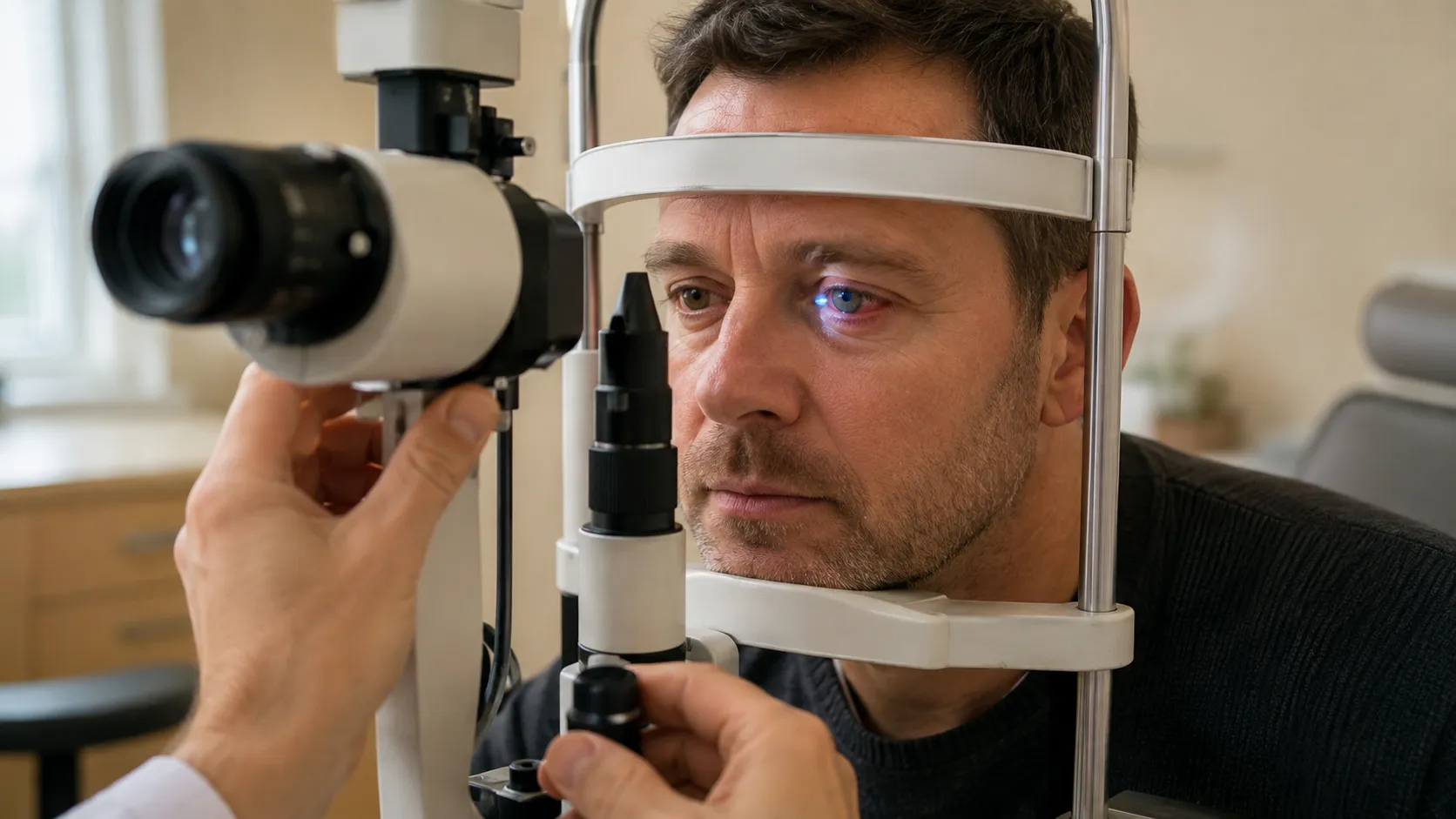
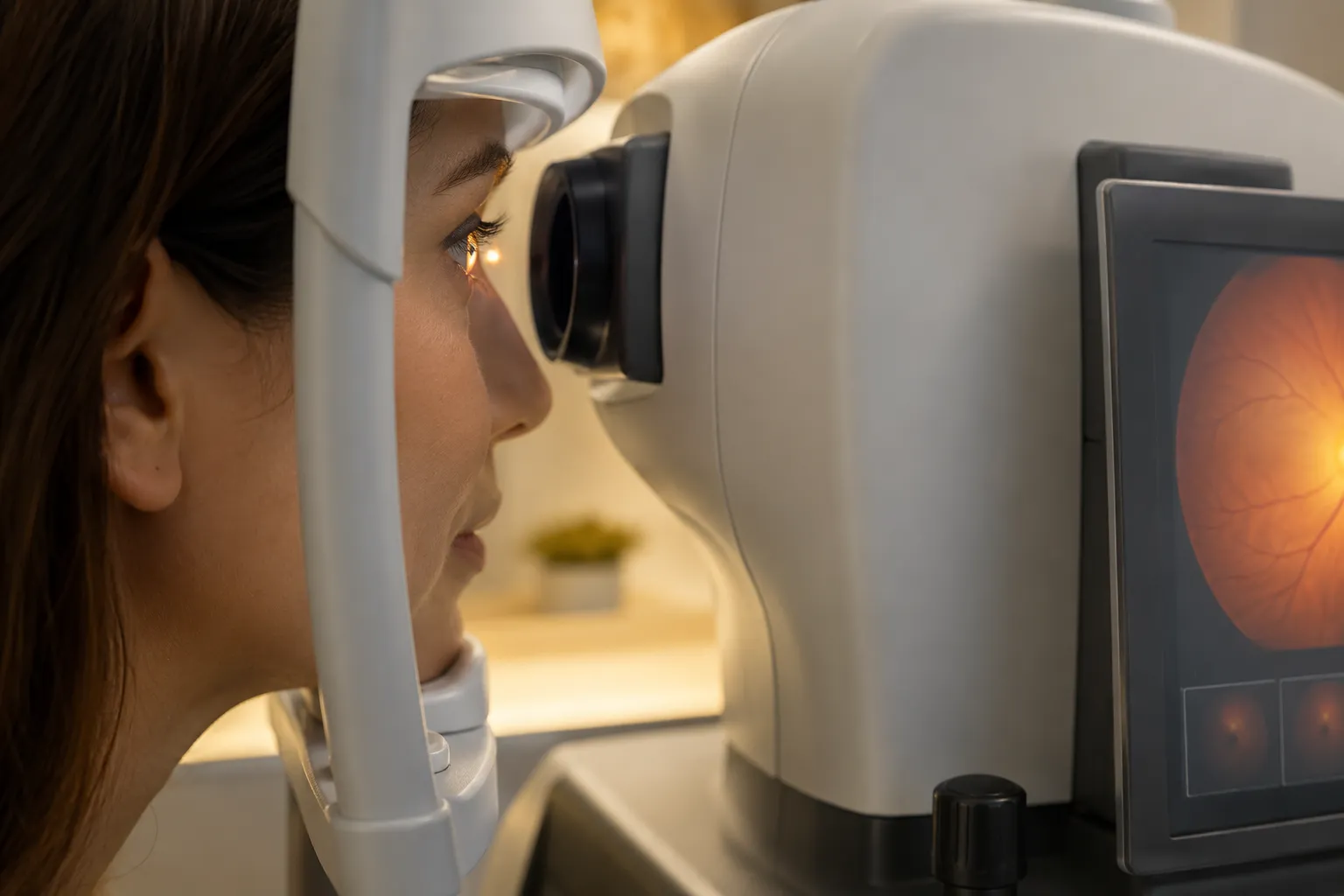
- Pair with a comprehensive eye exam to establish a baseline and track changes in macular pigment and visual performance over time.
At Fox Run Eye Care, opticians like Colin McPhillips often talk with patients about the visual demands of screen-heavy lifestyles and competitive sport. When helping athletes and active patients find the right glasses or contact lenses, the conversation frequently touches on macular health and contrast sensitivity. Dr. Amy Catalano Boyer and Dr. Susan Gallant-Behan see Vision Edge PRO as a natural complement to that conversation, supporting the visual system from the inside out.
The practice also offers free carotenoid and antioxidant readings near Portsmouth, Greenland, NH, a non-invasive way to see where your macular nutrition actually stands before you commit to a supplement routine.
Questions Worth Asking
How is Vision Edge PRO different from a regular multivitamin?
A standard multivitamin typically has generic amounts of lutein and zeaxanthin, often without meso-zeaxanthin, without the clinically studied 10:10:2 carotenoid ratio, and without any omega-3. Vision Edge PRO is a targeted macular supplement built specifically to increase macular pigment density and support visual performance under digital and athletic stress. The three-carotenoid formula plus Micro-Micelle Technology plus omega-3 is a very different product from a general eye vitamin.
Can I take this if I already take a fish oil supplement?
You can, but it’s worth checking with your optometrist first. Vision Edge PRO includes 300 mg of DHA and EPA, which meets the minimum daily requirement recognized by major health organizations. If you’re already taking a high-dose omega-3 supplement on top of that, Dr. Amy Catalano Boyer or Dr. Susan Gallant-Behan can help you assess whether the combined intake makes sense for your situation.
Will this fix my need for glasses or contacts?
No. Vision Edge PRO doesn’t change your refractive error. What it supports is the health and performance of your retina and ocular surface at whatever prescription you already have. Think of it less as vision correction and more as a performance and longevity investment for your visual system.
Is Vision Edge PRO safe for athletes, including those subject to drug testing?
Yes. Vision Edge PRO contains only nutritional ingredients: lutein, zeaxanthin, meso-zeaxanthin, and omega-3 fatty acids, none of which appear on the WADA or NCAA banned substance lists. As with any dietary supplement, student-athletes competing at the collegiate or elite level should have the product reviewed by their team’s athletic staff or sports medicine provider before use, as contamination from third-party manufacturing is always a consideration under NCAA guidelines.
Your Visual System Is Part of Your Athletic Training
How to improve sports vision isn’t just about training drills and reaction exercises. It starts with giving your visual system the nutritional foundation to actually perform. Screen time depletes macular pigment. Outdoor training increases oxidative demand. Vision Edge PRO addresses both, with a clinically studied carotenoid ratio and omega-3 in one formula built specifically for people who need their eyes to keep pace with their ambitions.
Whether you’re competing at the collegiate level, training on the Seacoast, or just trying to stay sharp through a demanding workday in Portsmouth, Hampton, Exeter, Kittery, or North Hampton, this is the kind of sports vision support that compounds over time. Start early, stay consistent, and your future self will notice the difference.
Ready to find out where your visual performance actually stands? Dr. Amy Catalano Boyer and Dr. Susan Gallant-Behan at Fox Run Eye Care near Portsmouth are happy to walk you through it. Schedule a comprehensive eye exam or stop in for a free carotenoid and antioxidant reading near Portsmouth, Greenland, NH.
About the Author
Dr. Amy Catalano Boyer is the founder and owner of Fox Run Eye Care, an independent optometry practice serving the New Hampshire Seacoast community. A graduate of Indiana University Bloomington’s School of Optometry, she has been practicing for over 25 years, first at Fox Run Mall in Newington, and now at the practice’s new location near Portsmouth, Greenland, NH. Dr. Amy Catalano Boyer is passionate about personalized, proactive eye care that goes beyond correcting vision to supporting the full health of the visual system.