
Spring Sunlight Strains Your Eyes: Book an Exam at Fox Run Eye Care

Spring has arrived on the Seacoast, and with it comes something your eyes feel before your brain fully registers it, more light, more hours, more sun. If you’ve been squinting through school pickups in Rye, longer evening walks in Portsmouth, or weekend drives through Exeter and Dover, your eyes are working harder than they did all winter. Now is exactly the right time to schedule your eye health check to assess vision changes and make sure your vision and the delicate skin around your eyes is protected for the season ahead.
Why Longer Days Mean More UV Exposure Than You Think?
Most people associate UV protection with summer, sunscreen, sunglasses, beach days. But the shift starts in spring, and it catches people off guard. As daylight hours extend through April and May in New Hampshire, your total daily UV exposure climbs significantly, even on overcast days. UV radiation penetrates cloud cover, reflects off water, pavement, and car hoods, and reaches your eyes from angles most sunglasses don’t fully block.
For families across Portsmouth, Greenland, Newington, Hampton, and North Hampton, this means more time outdoors and more unprotected sun exposure, especially for kids whose eyes are still developing and more vulnerable to UV damage.
What UV Rays Actually Do to Your Eyes
Prolonged UV exposure isn’t just uncomfortable — it builds up over time and can contribute to several serious conditions:
- Cataracts — clouding of the eye’s lens, accelerated by UV exposure
- Macular degeneration — damage to the central retina affecting sharp vision
- Photokeratitis — essentially a sunburn on the surface of the eye, causing pain and temporary vision disruption
- Pterygium — a growth on the white of the eye triggered by UV and wind exposure
According to the American Academy of Ophthalmology, UV-protective eyewear is recommended year-round, not just in summer, because the damage from UV is cumulative and largely invisible until it isn’t.
How Sunlight Affects Your Eyes and the Skin Around Them
When you squint, which most people do constantly in bright light without realizing it, you’re contracting the muscles around your eyes repeatedly, deepening the lines over time. The fix isn’t a skincare product. It’s having the right prescription lenses and UV protection so your eyes aren’t straining just to get through a sunny spring afternoon.
Your eyes aren’t the only thing taking a hit from increased sun exposure. The skin around your eyes, thinner than almost anywhere else on your face, is one of the first places to show UV-related aging. Fine lines, puffiness, and a tired, squinting appearance are often tied directly to sun exposure and unprotected time outdoors.
The Connection Between Vision and Squinting
Patients often come into Fox Run Eye Care describing tired eyes, afternoon headaches, and a general sense of visual fatigue — and many of them don’t realize their prescription has quietly shifted. As one patient put it: “I didn’t even know how much my vision had changed until I put on the new lenses.” A prescription that was fine two years ago may not be cutting it now, and spring’s longer, brighter days are exactly what surface that.
Choosing the Right Frames and Lenses for Sun Protection
Not all sunglasses protect equally. Many people grab a pair from a drawer or a drugstore rack: no UV rating, no prescription, just dark lenses that actually dilate the pupil and allow more UV light in. That’s worse than wearing nothing. Here’s what to look for when selecting eyewear for spring and summer:
What to Look for in Protective Eyewear
To truly protect your eyes during the spring and summer months, make sure your sunglasses include the following features:
- 100% UV400 protection: blocks both UVA and UVB rays; look for this specifically, not just “UV protection”
- Advanced no-glare (anti-reflective) coatings: some premium coatings provide up to SPF 35-level protection and can reduce UV exposure from the backside of the lens by approximately 10–50%, helping protect the eyes from indirect and reflected light
- Polarized lenses: reduce glare from water, roads, and reflective surfaces; especially important for driving and coastal living
- Wraparound or larger frame styles: minimize UV entering from the sides and above, protecting the skin around the eyes too
- Prescription sunglasses: if you wear glasses, non-prescription sunglasses are not protecting your vision; proper prescription sun lenses do both
At Fox Run Eye Care near Portsmouth, Greenland, NH, Dr. Amy Catalano Boyer and her team can fit you with prescription eyewear that combines optical clarity with real UV protection. The practice carries a curated collection of designer frames from brands like Etnia Barcelona, Ray-Ban, Michael Kors, Coach, and Kate Spade, so finding something you’ll actually want to wear isn’t an afterthought.
A Note on Frame Size and Eye Protection
Larger frames aren’t just a style choice. They provide measurably better coverage for the delicate skin and tissue around the eye. If you’ve been wearing smaller frames, switching to a wider style can reduce both UV exposure and the habitual squinting that accelerates fine lines around the eyes. Your optician can help you find the balance between what looks right and what protects best.
Why Spring Is the Right Time to See Your Eye Doctor
Adults should have a comprehensive eye exam at minimum every one to two years, and more frequently if they have a history of vision changes, diabetes, or family eye disease. For children, the schedule is even more important. The American Optometric Association recommends exams at 6 months, age 3, before starting school, and annually through the school years.
Spring is a natural reset point. You’re spending more time outside. Your eyes are adjusting to longer, brighter days. Your prescription may have drifted since your last exam. And if you’re noticing headaches, eye fatigue, or more squinting than usual in the bright Seacoast light, those are signals, not inconveniences to push through.
Modern lens technology can also play a role in reducing that constant strain. Transitions® Gen S lenses are designed with rapid light adaptation, helping lenses darken and clear quickly throughout the day. This faster transition supports more comfortable vision in changing light conditions and can help reduce the need to squint during everyday activities.
Fox Run Eye Care welcomes walk-ins and offers convenient appointment scheduling online or by phone. Patients from Portsmouth, Dover, Stratham, Hampton, and surrounding Seacoast towns find the Greenland location easy to reach, just 10 minutes from Portsmouth, and most major vision insurance plans are accepted, including VSP, EyeMed, Blue Cross Blue Shield, Cigna, Aetna, and Harvard Pilgrim.
Your Questions Answered: UV Protection and Your Vision
Do I really need an eye exam if my vision seems fine?
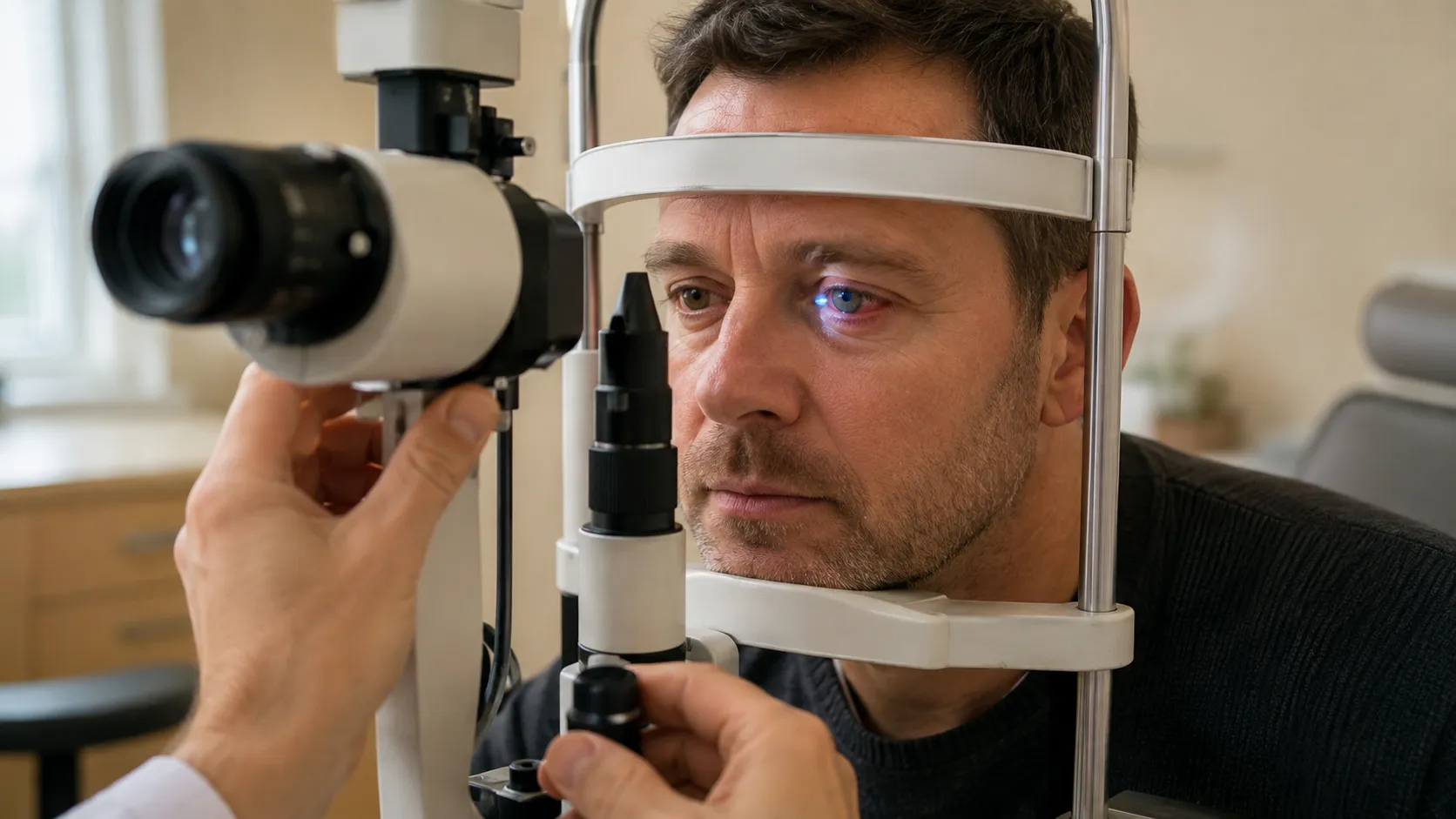
Yes, and this is one of one of the most important things to understand about eye health. Many conditions that damage vision develop gradually and without obvious symptoms. A prescription that’s slightly off won’t feel like an emergency; it’ll just feel like fatigue, headaches, and squinting, things most people chalk up to screen time or stress. A thorough eye health evaluation catches shifts in vision and early signs of eye disease before they become harder to treat.
Are polarized sunglasses worth it compared to regular tinted lenses?
For daily life on the Seacoast: driving, beach days, outdoor activities. Yes, significantly. Polarized lenses eliminate horizontal glare from reflective surfaces like water and pavement, which is where a lot of eye strain comes from in bright conditions. They don’t block more UV than standard UV400 lenses, but they reduce visual discomfort and fatigue considerably. If you spend meaningful time outdoors, they’re worth it.
Ready to see what your eyes can tell you? Contact Fox Run Eye Care to book your visit today.
Can eye exams detect anything beyond vision problems?
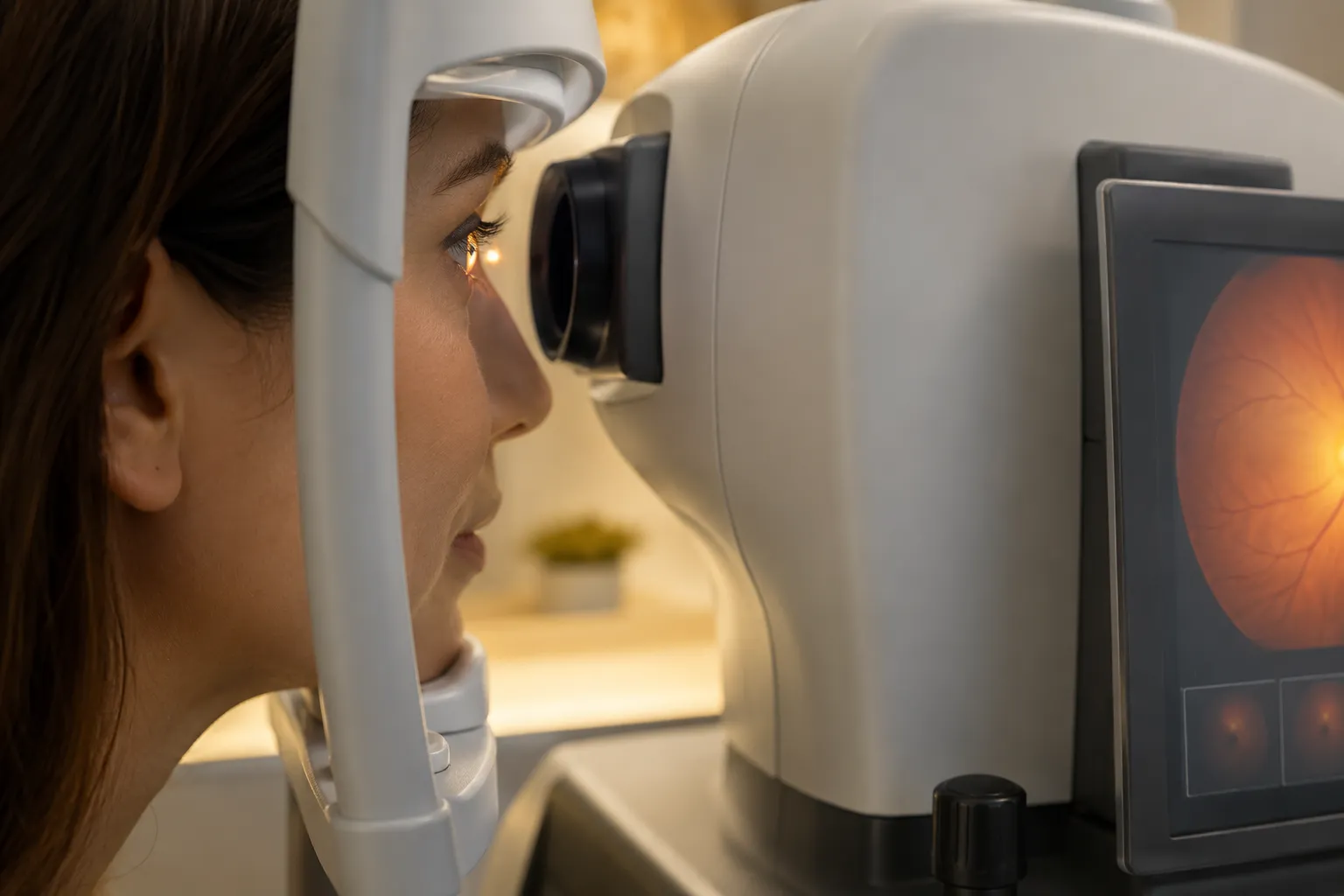
Absolutely. A full eye health evaluation looks at far more than just your prescription. At Fox Run Eye Care, exams include retinal imaging and glaucoma screening, without the old puff test, and can detect early signs of conditions like glaucoma, macular degeneration, cataracts, and diabetic retinopathy. In some cases, the eyes can show early indicators of systemic health conditions before other symptoms appear. It’s one of the most informative health screenings you can get.
See the Season Clearly: Starting with One Appointment
The days are getting longer in Portsmouth, Rye, Exeter, Greenland, and across the Seacoast. That’s a good thing, but your eyes deserve to enjoy it without squinting, strain, and the kind of UV exposure that adds up quietly over years. Whether you’re overdue for a visit, noticing your vision has shifted, or simply ready to upgrade to eyewear that actually protects you, spring is the right moment to act.
Dr. Amy Catalano Boyer and Dr. Susan Gallant Behan and the team at Fox Run Eye Care are here to help you see the season at its best, with a thorough, unhurried exam and eyewear chosen for your face, your prescription, and your life. Walk-ins are welcome. Appointments are easy, and most major insurance plans are accepted.
Fox Run Eye Care | Address: 603 Portsmouth Ave., Unit 101, Greenland, NH 03840 | Phone: (603) 828-9601 | Working Hours: Monday – Thursday: 9:00 AM – 5:00 PM | Friday: 9:00 AM – 2:30 PM
About the Author
Dr. Amy Catalano Boyer is the founder of Fox Run Eye Care and has been practicing optometry for over 25 years. A graduate of Indiana University Bloomington’s School of Optometry and a lifelong New Hampshire resident, she built her practice on the belief that every patient deserves thorough, personalized care, not a rushed visit and a prescription printout. Before opening her independent practice near Portsmouth, Greenland, NH, she spent 24 years serving Seacoast families at Fox Run Mall in Newington. Dr. Amy Catalano Boyer specializes in comprehensive eye health evaluations, myopia management, contact lens fittings, and advanced retinal imaging (Optos), with a particular focus on long-term eye health for patients of all ages.