
Best Eye Health Supplements You Need for Clearer Sight
Best Eye Health Supplements You Need for Clearer Sight
New Clinic Location in Greenland, NH | Fox Run Eye Care
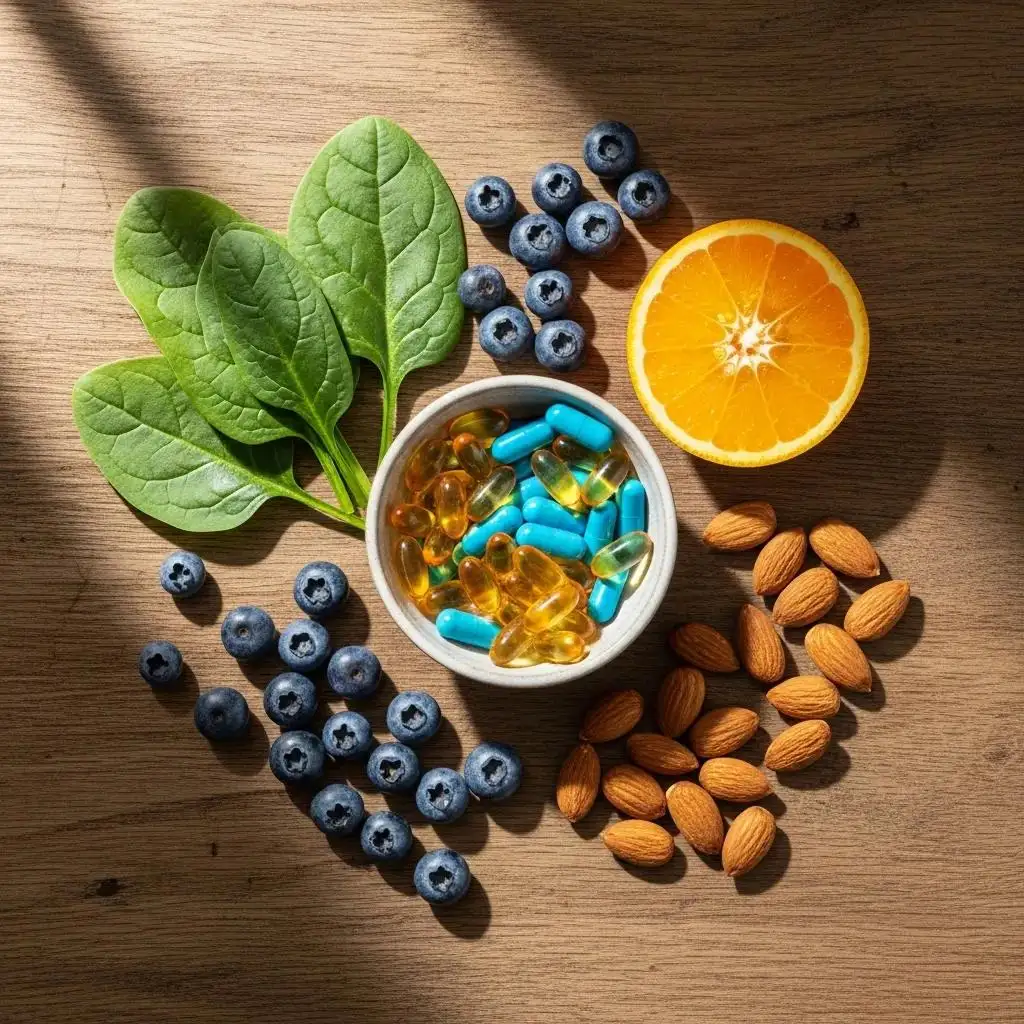
Healthy eyes matter at every age. Eye health supplements can support vision, ease discomfort, and help support healthy aging and vision comfort. This guide summarizes key nutrients, natural options, and review pointers so you can choose products that fit your needs. At Fox Run Eye Care, we offer trusted professional-grade products like the Triple Carotenoid Formula, MacuHealth TG Omega-3 Fish Oil, VitreousHealth, MacuHealth+, Vision Edge PRO, and MacuHealth DM that may support eye health.
Which Vitamins and Nutrients Matter Most for Eye Health?
Vitamin A supports low‑light vision; vitamins C and E act as antioxidants to protect eye tissue; and zinc helps transport vitamin A to the retina. These nutrients together support daily function and long‑term eye health.
Vitamin A is essential for the formation of rhodopsin, a pigment in the retina that helps with night vision. The recommended daily allowance (RDA) is 900 mcg RAE for adult men and 700 mcg RAE for adult women. Food sources include liver, carrots, sweet potatoes, and leafy greens.
Vitamin C is a powerful antioxidant that protects the eye’s lens and retina from oxidative damage. The RDA is 90 mg for men and 75 mg for women. Rich sources include citrus fruits, strawberries, bell peppers, and broccoli.
Vitamin E protects cell membranes from oxidative stress. The RDA is 15 mg (22.4 IU) daily. Nuts, seeds, and vegetable oils are good sources.
Zinc plays a critical role in transporting vitamin A from the liver to the retina. The RDA is 11 mg for men and 8 mg for women. Foods rich in zinc include oysters, beef, and pumpkin seeds. Zinc is part of the AREDS and AREDS2 formulas that the National Eye Institute studied in people with intermediate or advanced age-related macular degeneration.
For tailored care, Fox Run Eye Care offers exams and myopia management that factor supplements into clinical plans.
What Role Do Antioxidants Play in Protecting Vision?

Antioxidants neutralize free radicals that can damage retinal cells and the lens. Lutein and zeaxanthin concentrate in the macula and help filter harmful blue light.
Lutein and Zeaxanthin are carotenoids found in high concentrations in the macula, where they act as antioxidants and blue light filters. Typical supplemental doses range from 10 to 20 mg daily. Food sources include kale, spinach, corn, and egg yolks. In the National Eye Institute’s AREDS trial, the AREDS formula reduced the risk of advanced AMD by about 25% over five years; AREDS2 then replaced beta-carotene with lutein (10 mg) and zeaxanthin (2 mg). The National Eye Institute also notes that nutritional supplements cannot prevent AMD, and there was no benefit for people with early AMD or for people who do not have AMD.
Clinical studies indicate antioxidant-rich diets or supplements can support healthy aging of the macula in some cases.
Antioxidant Support for Healthy Macular Aging
Age-related macular changes commonly affect people over 50 and are associated with natural aging of the retina. Antioxidants can reduce retinal cell damage by neutralizing free radicals produced during light exposure. Higher dietary or supplemental intake of these vitamins and minerals may support macular health as we age.
Antioxidant vitamin and mineral supplements for slowing the progression of age‐related macular degeneration, JG Lawrenson, 2023
Choose supplements with proven antioxidants, or add leafy greens and colorful fruit to your diet to support vision protection.
How Does Omega-3 Support Eye Health and Function?
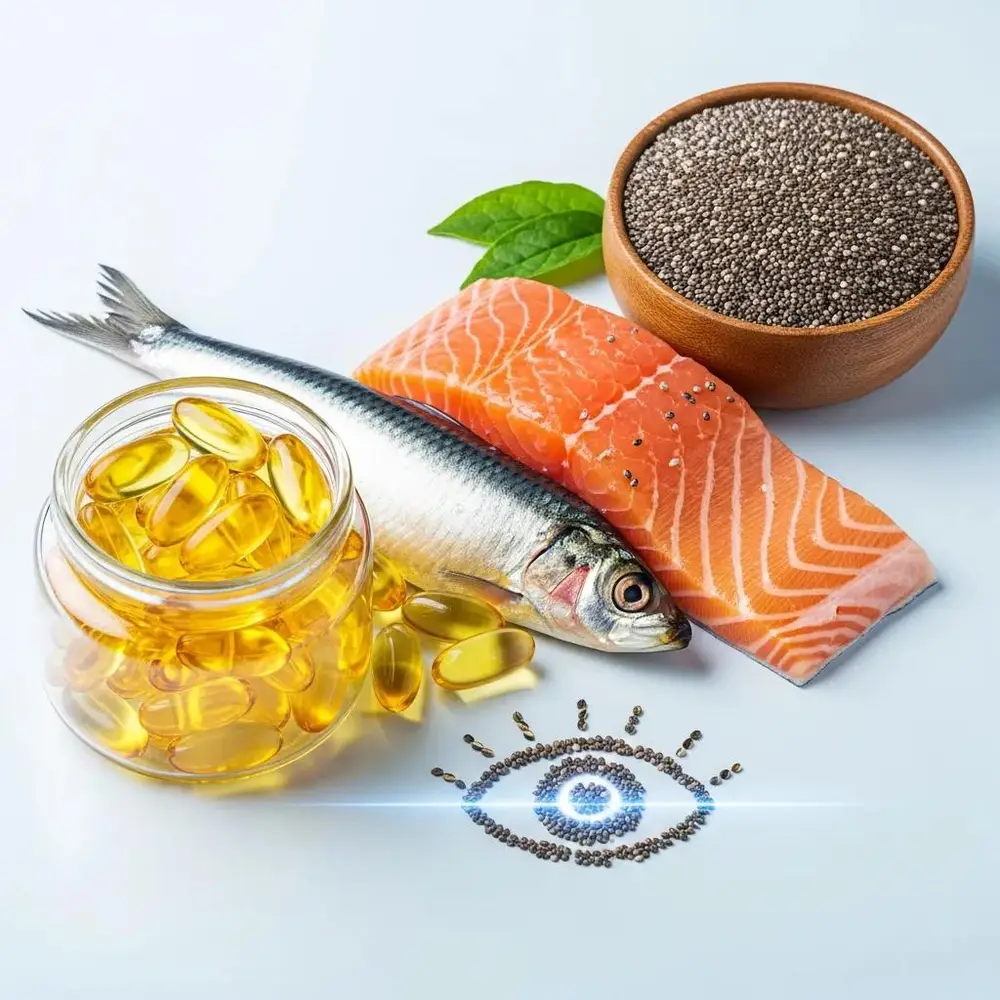
EPA (eicosapentaenoic acid) and DHA (docosahexaenoic acid) are omega-3 fatty acids that are structural components of retinal cells and reduce inflammation. The American Heart Association recommends about 1,000 mg combined EPA and DHA daily for general health, with many eye health studies emphasizing DHA’s role. Food sources include fatty fish such as salmon, mackerel, and sardines, as well as chia seeds and flaxseeds.
Fish oil or algae-based supplements provide concentrated EPA/DHA if dietary intake is insufficient.
If you are an athlete and want to know how an eye supplement fits your training, this guide breaks it down in full.
What Natural Eye Supplements Do Experts Recommend?
Clinicians commonly recommend these evidence‑based options:
- Lutein + Zeaxanthin: Support macular pigment and blue‑light filtering. Typical doses: 10–20 mg lutein, 2 mg zeaxanthin daily.
- Omega‑3 Capsules: Often discussed for dry eye comfort. Typical dose: 1,000 mg combined EPA/DHA daily.
- Multinutrient Eye Formulas: Combine vitamins A, C, E and zinc for broad antioxidant support. The high-dose AREDS2 formula is meant for people with intermediate or advanced AMD, so ask your eye doctor before taking it.
Prefer bioavailable ingredients and consult your eye care provider to match doses to your needs.
This table highlights common options so you can compare ingredients, doses, and likely benefits quickly.
Lutein and zeaxanthin’s protective role in the macula is well supported in the literature.
Lutein & Zeaxanthin: Macular Pigment, Blue Light Filter, and Antioxidant
Lutein, often paired with zeaxanthin, contributes to the macular pigment and is known for blue‑light filtering and antioxidant properties.
Lutein: more than just a filter for blue light, Y Tian, 2012
Which Herbal Ingredients Can Support Vision and Comfort?
Some botanicals used for eye support include bilberry (anthocyanins), ginkgo biloba (may improve ocular blood flow), and eyebright (traditionally for mild irritation). They are often combined with vitamins for broader support. Evidence for these herbs is limited.
Are There Side Effects from Natural Eye Supplements?
Most tolerate these supplements well, but some experience mild digestive upset or allergic reactions. High doses of certain vitamins (for example vitamin E) can pose risks or interact with medicines. Consult your healthcare provider before starting supplements, especially if you take prescriptions or have chronic conditions.
Choose reputable brands with third‑party testing to reduce contamination or mislabeling risks.
How Do Reviews Help You Choose the Best Products?
User and expert reviews reveal patterns: consistent reports of improved comfort or clearer vision are more useful than single testimonials. Prefer reviews that address formulation, dose, and clinical evidence.
What Criteria Should You Use to Evaluate Eye Supplement Brands?
When comparing brands, focus on:
- Ingredient Quality: Clinically studied forms and clear dosages.
- Brand Reputation: Track record and customer feedback.
- Transparency: Sourcing, manufacturing, and third‑party testing.
These criteria help you pick safe, effective products that fit your goals.
Which Eye Health Supplements Have the Highest User Ratings?
Top‑rated supplements typically include:
- Lutein + Zeaxanthin Complexes: For macular support.
- Omega‑3 Fish Oil: For dry eye relief.
- Comprehensive Eye Formulas: For combined nutrient coverage.
Use user feedback as one input, alongside clinical guidance and label checks.
Food vs. Supplements: Necessity Table
How Can You Add Eye Supplements to Your Daily Routine?
Small habits help with consistency. Try setting a daily time, taking supplements with a meal containing healthy fat, and tracking changes over weeks.
- Set a time: Take supplements with a regular meal.
- Pair with food: Fat‑soluble nutrients absorb better with fat.
- Track changes: Note comfort, dryness, or clarity over weeks.
Symptom Tracking Checklist
- Frequency of eye strain or fatigue
- Degree of dryness or irritation
- Changes in night vision or low-light clarity
- Incidence of glare or light sensitivity
- Visual acuity changes or blurriness
- Comfort during prolonged screen use
What Are Typical Dosages for Common Eye Nutrients?
General guidance (consult your provider):
- Lutein: 10–20 mg per day
- Zeaxanthin: 2 mg per day
- Omega‑3: ~1,000 mg combined EPA + DHA daily (many studies emphasize DHA)
- Vitamin A: 900 mcg RAE for adult men; 700 mcg RAE for adult women
- Vitamin C: 75–90 mg daily
- Vitamin E: 15 mg (22.4 IU) daily
- Zinc: 8–11 mg daily; higher doses are used only in the AREDS formulas for AMD, under an eye doctor’s guidance
Adjust doses with professional advice based on diet and medical history.
When Will I Likely Notice Benefits from Eye Supplements?
Some people notice improved comfort or reduced dryness in 4–8 weeks. For progressive vision changes like macular health concerns, benefits may take longer. Consistency and follow‑up with an eye care professional are important.
Why Combine Vitamins and Omega-3 for Vision?
Antioxidant vitamins protect against oxidative damage while omega‑3s support retinal structure and reduce inflammation. Combined approaches provide broader support than single nutrients alone.
How Do Antioxidants and Omega-3 Work Together?
Antioxidants shield tissues from free radicals; omega‑3s maintain cell membranes and manage inflammation. Together they support retinal integrity and healthy aging of retinal tissues.
Which Formulations Deliver the Best Nutrient Mix?
Look for multi‑ingredient formulas that include:
- Lutein + Zeaxanthin — macular protection
- Omega‑3 Fatty Acids — tear health and anti‑inflammatory support
- Vitamins A, C, E + Zinc — broad antioxidant coverage
Balanced formulations that follow clinical evidence are a good starting point.
Who Should Consider Taking Eye Health Supplements?
Supplements may help people who:
- Notice age‑related vision changes
- Spend long hours on screens
- Have a family history of vision health concerns
Discuss options with your eye care provider to decide what’s appropriate.
Are Eye Supplements Appropriate for All Ages?
Supplements aren’t one‑size‑fits‑all. Children, pregnant or nursing people, and those with certain conditions should consult a clinician. Formulations and doses often differ by age.
When Should You Talk to an Eye Care Professional Before Starting Supplements?
Consult your eye doctor or primary care provider before starting supplements if you have vision health concerns, take prescriptions, or have chronic health issues. A clinician can recommend products, dosages, and safe monitoring.
Understanding how supplements fit into overall care helps you make choices that support long‑term vision health.
Should You Take Eye Health Supplements? Decision Tree
- Are you working with an eye care provider for vision health concerns (e.g., macular support needs, dry eye symptoms)? – Yes: Consult your eye care provider for a tailored supplement plan. – No: Proceed to next question.
- Do you experience frequent eye strain, dryness, or vision changes? – Yes: Consider supplements and discuss with your provider. – No: Maintain a nutrient-rich diet and regular eye exams.
- Do you have a family history of vision challenges? – Yes: Ask your eye doctor; the National Eye Institute notes that supplements cannot prevent AMD. – No: Focus on diet and lifestyle; supplements optional.
- Are you pregnant, nursing, or a child? – Yes: Consult a healthcare professional before supplement use. – No: Follow general guidelines or professional advice.
To learn how supplements may fit into your overall eye wellness plan, schedule a comprehensive eye exam.
Additional Resources
For more comprehensive information on eye health, visit the American Academy of Ophthalmology‘s Eye Health page.
Frequently Asked Questions
What are the signs that I need eye health supplements?
You might consider supplements for frequent eye strain, persistent dryness, or worsening night vision, especially with heavy screen use. People over 50 or with family history of vision health concerns should discuss supplementation with their eye care provider.
Can eye health supplements interact with medications?
Yes. Some supplements interact with medications (for example, high doses of vitamin E can affect blood thinners). Tell your healthcare team about supplements so they can check for interactions.
How long should I take eye health supplements to see results?
Improvements in comfort often appear in 4–8 weeks; full benefits for long‑term conditions can take longer. Maintain a consistent routine and review progress with your provider.
Are there dietary changes I should make alongside supplements?
Yes. A diet rich in leafy greens, colorful fruits, and fatty fish complements supplements. Foods high in omega‑3s (salmon, walnuts) and antioxidant produce support eye health naturally.
What should I look for when choosing eye health supplements?
Prioritize evidence‑backed ingredients (lutein, zeaxanthin, DHA/EPA), clear dosages, and transparent manufacturing or third‑party testing. Check labels for allergens and consult your eye care provider if unsure.
Can children take eye health supplements?
Some supplements are formulated for children, but always consult a pediatrician or eye care professional first. Children have different nutritional needs and dosing must be age‑appropriate.
What lifestyle changes can support eye health in addition to supplements?
Get regular eye exams, limit continuous screen time, use the 20‑20‑20 rule (every 20 minutes look 20 feet away for 20 seconds), wear UV‑protective sunglasses, and maintain a balanced, nutrient‑rich diet.
Conclusion
Choosing the right supplements, with your eye doctor’s advice, can be one part of caring for your vision. Lutein, omega‑3s, and antioxidant vitamins play complementary roles. Combine supplements with a healthy diet, regular exams, and professional guidance to protect vision over time.
Source: National Eye Institute, AREDS/AREDS2 FAQ.
About Dr. Amy Catalano Boyer
Dr. Amy Catalano Boyer is a licensed optometrist with over 25 years of experience serving New Hampshire’s Seacoast communities. Optometrist Dr. Amy Catalano Boyer founded Fox Run Eye Care to provide personalized, comprehensive vision care with advanced technology and a patient-centered approach. Under her leadership, the clinical team includes Dr. Susan Gallant-Behan, and together they provide thorough, compassionate care for individuals and families at every stage of life.