
Diabetic Eye Exams: Why Annual Screening Protects Your Vision
If you have diabetes, having your eyes checked regularly every year is one of the most important steps you can take to protect your long-term vision. Diabetic retinopathy, the leading cause of preventable blindness in working-age adults, rarely causes symptoms in its earliest and most treatable stages. By the time blurry vision appears, significant damage may already be present. A diabetic eye exam gives your optometrist the chance to catch those early changes before they become serious.
What Makes a Diabetic Eye Exam Different
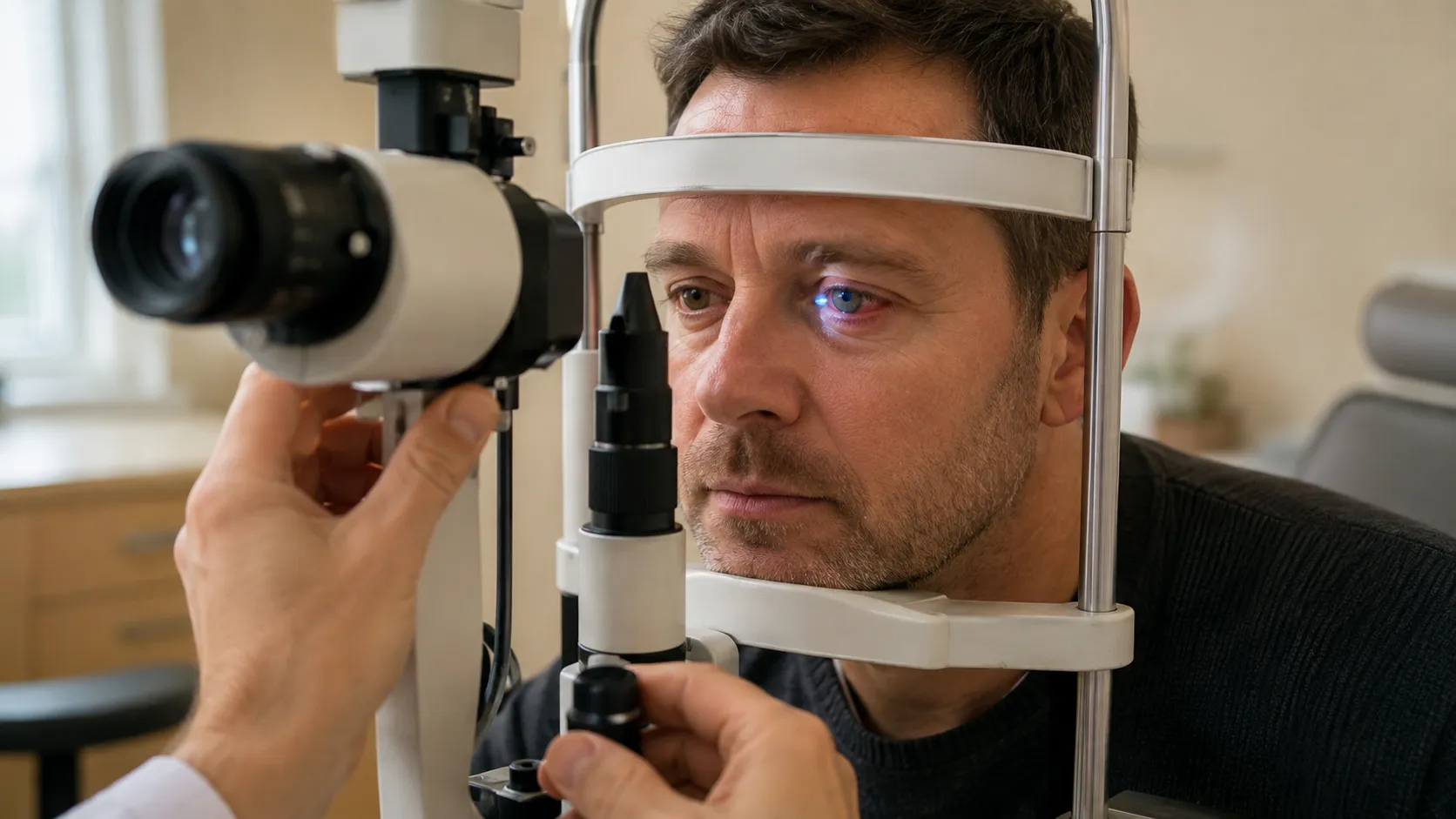
A routine vision check and a diabetic eye exam are not the same thing. A standard exam focuses on how well you see and whether you need a new prescription. A diabetic eye exam goes further, using advanced imaging technology to examine the tiny blood vessels inside your retina, which are the ones most vulnerable to damage from elevated blood sugar.
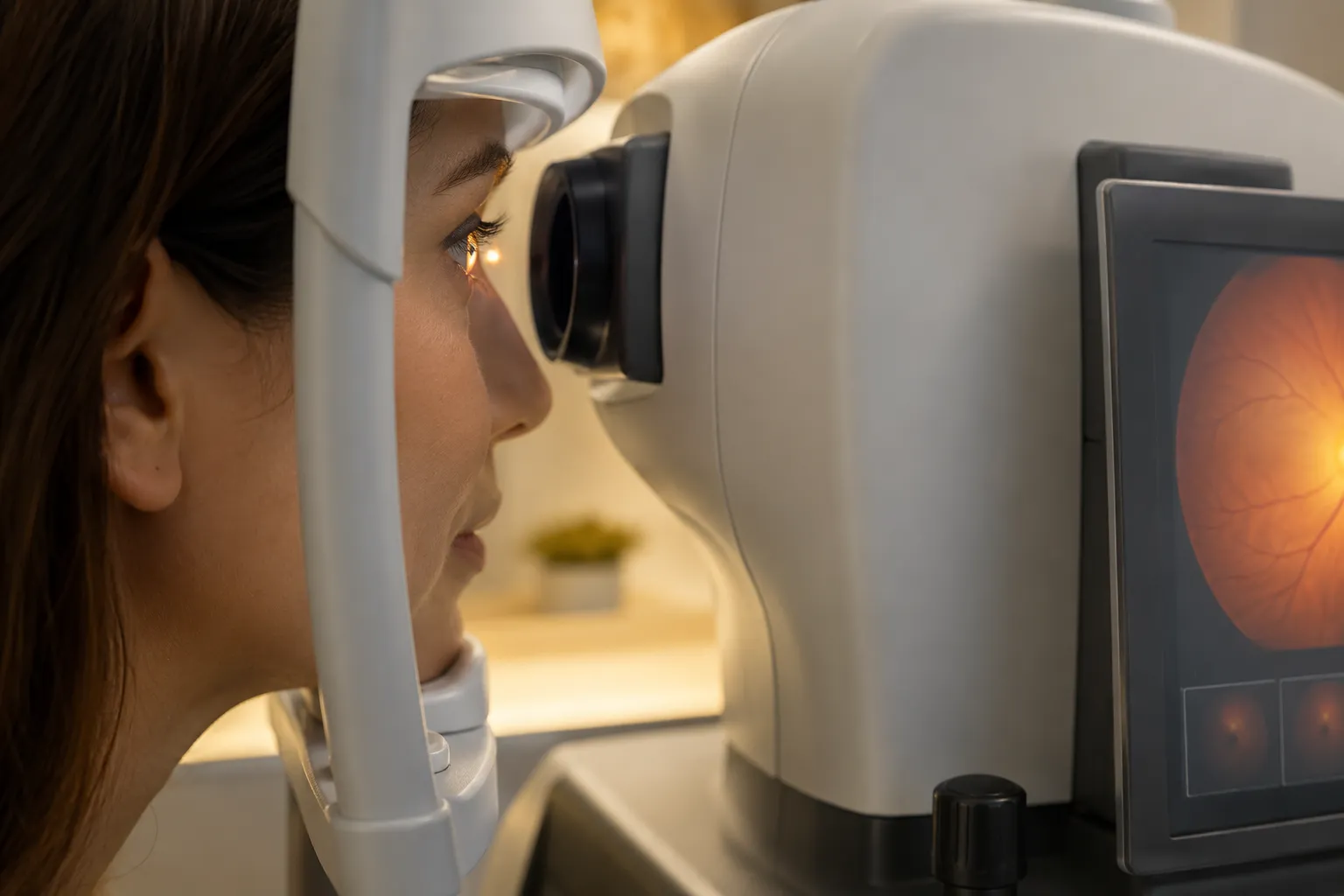
At Fox Run Eye Care, near Portsmouth in Greenland, NH, the diabetic eye exam uses Optomap® retinal imaging to capture a wide-view scan of your retina quickly and comfortably. No dilation drops are required in most cases, and the process takes only a few minutes as part of your overall appointment. The results give Dr. Amy Catalano Boyer a detailed picture of your retinal health, which can also reveal early signs of conditions like macular edema and hypertensive retinopathy.
What the Exam Is Looking For
The primary concern is diabetic retinopathy, a condition where high blood sugar weakens and damages the blood vessels in the retina. These vessels may leak fluid, swell, or grow abnormally. In the early stages, known as nonproliferative diabetic retinopathy, there are no symptoms at all. In later stages, vision can deteriorate rapidly.
Your optometrist will also look for diabetic macular edema, which occurs when fluid builds up near the center of the retina and can cause distorted or blurred central vision. Catching either condition early means more treatment options and better outcomes.
Why Once a Year Matters for People With Diabetes
The American Academy of Ophthalmology (AAO) recommends that people with diabetes receive a comprehensive dilated eye exam at least once a year. Even if your blood sugar is well managed, the cumulative effect of diabetes on the small blood vessels of the eye can develop gradually over time.
According to the American Academy of Ophthalmology (AAO), early detection through annual screening is one of the most effective ways to prevent vision loss in people with diabetes. The window for the most effective treatment is often before any symptoms appear.
Patients in Portsmouth, Newington, Exeter, Rye, Dover, Hampton, and surrounding Seacoast communities often come in after their primary care doctor or endocrinologist has flagged a missed annual eye exam. Some are surprised to learn that they have had early retinal changes for some time without any noticeable change in their vision. That is precisely why the annual cadence exists.
How Often Should You Go If You Have Risk Factors
For most adults with well-controlled diabetes, once a year is the standard recommendation. If moderate to severe retinopathy is detected, your optometrist may recommend visits every three to six months. For those undergoing active treatment for proliferative retinopathy or diabetic macular edema, exams may be needed every two to four months or more frequently. Dr. Amy Catalano Boyer will advise you based on your specific findings and risk profile.
What to Expect During Your Appointment
Many patients are relieved to find out how straightforward the process is. There are no uncomfortable procedures, no bright puff of air, and in most cases, no dilation drops needed. The Optomap® imaging system captures a panoramic view of your retina in seconds.
Here is a general sense of what the visit looks like:
-
Your optometrist will review your medical history, current medications, and diabetes management details
-
Retinal imaging is performed to document and assess the health of the blood vessels in your retina
-
Your optometrist will review the images with you and explain what they show
-
If any concerns are identified, a detailed report can be sent directly to your primary care doctor or endocrinologist
Your optometrist will review your medical history, current medications, and diabetes management details
Retinal imaging is performed to document and assess the health of the blood vessels in your retina
Your optometrist will review the images with you and explain what they show
If any concerns are identified, a detailed report can be sent directly to your primary care doctor or endocrinologist
Patients from Stratham, North Hampton, Kittery, and Somersworth frequently comment on how quick and painless the exam is, and that they appreciate receiving a clear explanation of their results before they leave.
Supporting Your Retinal Health Between Visits
During your comprehensive diabetic eye exam at Fox Run Eye Care, we also measure your Life Meter score, an objective nutritional assessment that evaluates your antioxidant status and helps guide personalized eye wellness discussions. Based on your score, your medical history, and your retinal images, Dr. Amy Catalano Boyer or Dr. Susan Gallant-Behan can identify which supplements may help increase your macular pigment levels and improve your Life Meter score over time.
For patients with diabetes, the doctors at Fox Run Eye Care highly recommend MacuHealth DM, a specialized nutritional supplement formulated to reduce oxidation and inflammation in the retina while supporting healthy metabolic function and blood sugar balance.
Diabetic Retinopathy: Stages and What They Mean
Mild to Moderate Nonproliferative Retinopathy
In the earliest stages, tiny balloon-like swellings called microaneurysms form in the retinal blood vessels. You will not feel these changes and your vision may be completely normal. This is exactly when annual screening provides the most value, because close monitoring and tighter blood sugar control at this stage can slow or halt progression.
Severe Nonproliferative and Proliferative Retinopathy
As the disease progresses, blood vessels may close off, prompting the retina to grow new, fragile blood vessels. These new vessels are prone to bleeding into the vitreous, the gel-like substance inside the eye. At this point, referral to a retinal specialist is often necessary. Treatment options include laser therapy and injections, and outcomes are far better when the condition is caught before proliferative changes begin.
Diabetic Macular Edema
Fluid accumulation near the macula can occur at any stage of diabetic retinopathy and directly affects central vision. Tasks like reading, driving, and recognizing faces can become difficult. Early detection allows for timely intervention before permanent damage occurs.
Managing Diabetes and Protecting Your Vision
Eye health and overall diabetes management are closely linked. Research consistently shows that keeping blood sugar, blood pressure, and cholesterol in healthy ranges significantly reduces the risk of developing diabetic eye disease or slows its progression in those who already have early-stage changes.
Your annual diabetic eye exam gives your care team a window into how your vascular system is holding up. The retina is one of the few places in the body where blood vessels can be seen directly and non-invasively. Changes in the retinal vasculature often reflect what is happening in blood vessels throughout the body.
Practical steps that support eye health alongside your annual exam:
-
Keep your A1C as close to your target as possible
-
Monitor and manage blood pressure and cholesterol
-
Avoid smoking, which accelerates vascular damage
-
Report any sudden changes in vision to your eye doctor promptly
Keep your A1C as close to your target as possible
Monitor and manage blood pressure and cholesterol
Avoid smoking, which accelerates vascular damage
Report any sudden changes in vision to your eye doctor promptly
Questions Patients Often Ask
Do I need a diabetic eye exam if my vision seems fine?
Yes, and this is one of the most important points about diabetic retinopathy. The condition can be actively progressing while your vision feels completely normal. By the time you notice changes in how you see, the disease may already be at a more advanced stage. Annual screening is specifically designed to catch damage before it becomes symptomatic.
Can I combine this with my regular eye exam?
In most cases, yes. At Fox Run Eye Care, the diabetic retinal imaging is incorporated into your comprehensive eye appointment. You do not need to schedule a separate visit. Your optometrist will review both your vision and your retinal health in the same session, which keeps things efficient and gives you a complete picture of your eye health in one stop.
What happens if something is found during my exam?
If early changes are detected, your optometrist will explain exactly what was found and what it means. Depending on the findings, the next steps might include closer monitoring, a referral to a retinal specialist, or a conversation with your primary care doctor about tightening blood sugar control. A detailed report can be sent directly to your care team. Finding something early is always better than finding it late, and most patients leave feeling relieved to have clear information rather than uncertainty.
How is a diabetic eye exam different from a regular glasses prescription check?
A standard prescription check focuses on how clearly you see and whether your lenses need updating. A diabetic eye exam goes further, using retinal imaging to assess the health of the blood vessels inside your eye. The two can often be done in the same appointment, but the diabetic component requires additional technology and clinical assessment that a basic vision check does not include.
What should I bring to my diabetic eye exam?
It helps to bring a list of your current medications, your insurance card, and any recent lab results related to your diabetes management, such as A1C levels, if you have them on hand. If you wear glasses or contact lenses, bring those as well. Knowing your diabetes history, including how long you have had the diagnosis and how well your blood sugar has been controlled, helps your optometrist get a complete picture of your eye health from the start.
Take the Step That Protects Your Sight
For people managing diabetes in Portsmouth, Greenland, Rye, Exeter, Newington, Dover, and across the New Hampshire Seacoast, an annual diabetic eye exam is not optional, it is essential. The exam is quick, painless, and gives you and your care team the information needed to act before vision is affected.
Dr. Amy Catalano Boyer at Fox Run Eye Care provides thorough, compassionate eye care for patients with diabetes at every stage of their health journey, bringing over 25 years of experience to every appointment.
Dr. Amy Catalano Boyer and Dr. Susan Gallant-Behan work together to provide personalized, relationship-based eye care supported by advanced diagnostic technology.
If it has been more than a year since your last diabetic eye exam, or if you have never had one, now is the right time to schedule. Book your appointment at Fox Run Eye Care and take one more confident step in protecting your long-term vision.
About Dr. Amy Catalano Boyer
Amy Catalano Boyer, O.D., is the founder of Fox Run Eye Care, an independent optometry practice near Portsmouth in Greenland, NH. She earned her Doctor of Optometry degree from Indiana University Bloomington and has been providing personalized eye care to patients across the Seacoast community for over 25 years. Dr. Amy Catalano Boyer is deeply committed to preventive care and to helping patients understand how conditions like diabetes affect long-term eye health. Her approach centers on advanced diagnostic technology, clear communication, and individualized attention at every visit.