Enhance Your Vision with Premium Eye Supplements for Health

Best Supplements for Dry Eyes — What Optometrists Actually Recommend
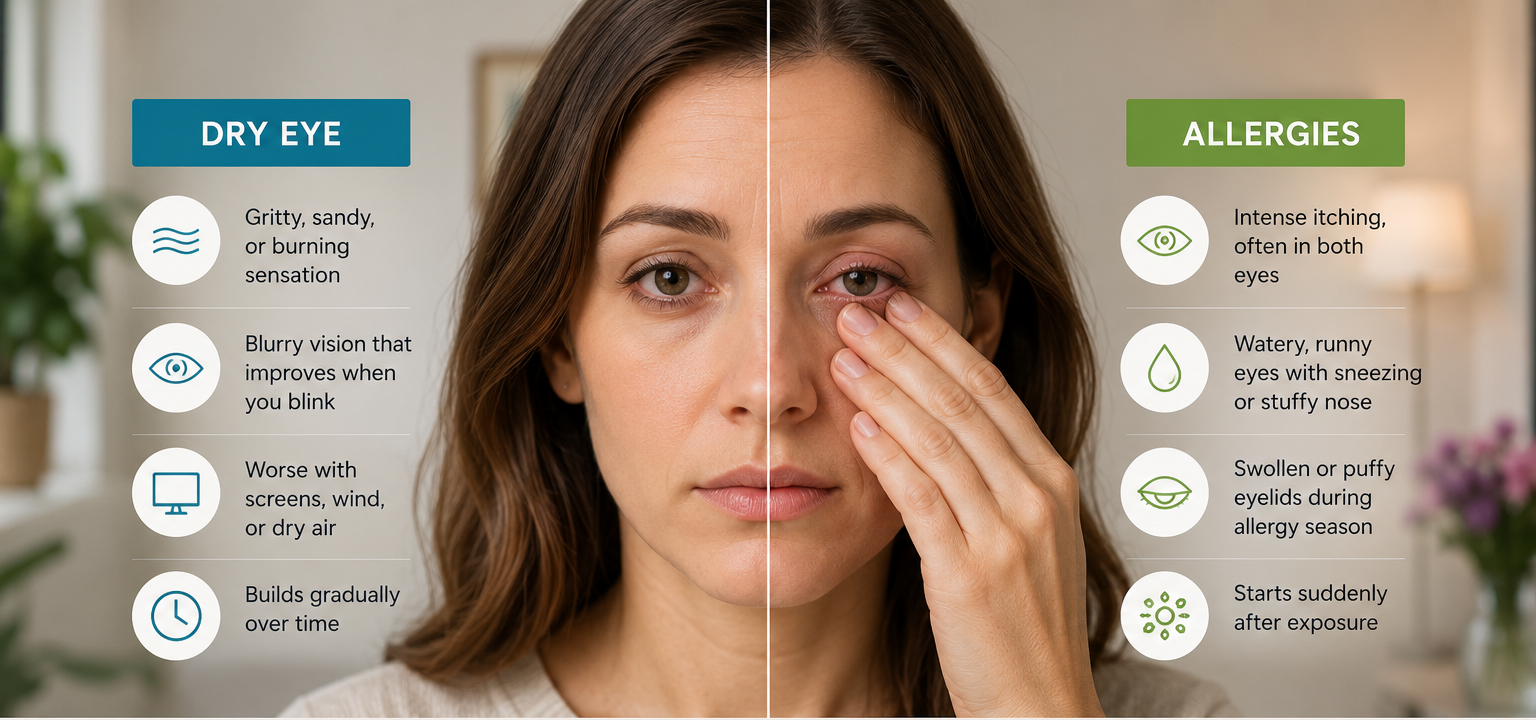
At Fox Run Eye Care in Greenland, NH, dry eye is one of the most common complaints we hear from patients. Burning, gritty, watery, or irritated eyes affect millions of Americans — and the number keeps growing as screen time increases and our population ages. While dry eye treatment often requires a full clinical assessment and personalized plan, nutritional support plays an important role that many patients overlook. The right dry eye supplements can meaningfully improve tear quality, reduce inflammation, and make your eyes feel more comfortable every day. This guide covers what actually works — based on clinical evidence and what Dr. Amy Catalano Boyer and Dr. Susan Gallant-Behan recommend to their own patients.
Why Supplements Matter for Dry Eye
Dry eye syndrome happens when your eyes either don’t produce enough tears, or the tears they do produce evaporate too quickly. Both problems have an inflammatory component — and that’s exactly where supplements can help. Nutrition directly influences the quality of your tear film, the health of your meibomian glands (which produce the oily layer that keeps tears from evaporating), and the level of inflammation on your eye surface.
Drops and prescription treatments address symptoms. The right supplements work at the root cause.
The Most Important Supplement for Dry Eyes: Omega-3 Fatty Acids
If there’s one supplement that consistently comes up in dry eye research, it’s omega-3 fatty acids — specifically EPA and DHA. These essential fatty acids reduce inflammation, support meibomian gland function, and help improve the lipid layer of your tear film, which is what keeps tears stable on your eye surface.
Not all omega-3 supplements are the same, however. The form matters enormously. At Fox Run Eye Care, we carry MacuHealth TG Omega-3 Fish Oil in its triglyceride (TG) form — which is significantly more bioavailable than the cheaper ethyl ester form found in most drugstore omega-3 products. That means your body actually absorbs and uses more of it.
Recommended dose for dry eye: approximately 1,000–2,000 mg of combined EPA and DHA daily. Results typically take 6–12 weeks of consistent use, so patience is important.
Vitamin D and Dry Eye — An Overlooked Connection
Many dry eye patients are deficient in vitamin D without knowing it — and research increasingly links low vitamin D levels to dry eye severity. Vitamin D plays a role in regulating inflammation and supporting the immune function of the ocular surface. If you’re experiencing persistent dry eye symptoms, it’s worth asking your doctor to check your vitamin D levels at your next visit.
Vitamin A — Essential for Tear Film Stability
Vitamin A is critical for maintaining the mucin layer of your tear film — the innermost layer that helps tears actually stick to your eye surface. Without adequate vitamin A, tears don’t spread properly and evaporate too quickly. Most people get enough vitamin A through diet, but patients with absorption issues or restrictive diets can become deficient. Signs include worsening dry eye, night vision difficulties, and eye surface irritation.
Antioxidants: Supporting the Whole Eye While Relieving Dryness
Oxidative stress plays a significant role in dry eye disease. Antioxidants like lutein, zeaxanthin, vitamin C, vitamin E, and zinc help neutralize free radicals on the ocular surface and support overall eye tissue health. At Fox Run Eye Care, many of our dry eye patients are also candidates for our broader eye supplements — particularly MacuHealth+ and Vision Edge PRO — which combine the three key macular carotenoids with additional antioxidant support.
For athletes, competitive gamers, and anyone combining heavy screen time with physical training, the visual demands on the macular system are compounding from both directions. Vision Edge PRO was formulated specifically for this overlap, combining three macular carotenoids in a clinically studied 10:10:2 ratio with omega-3 to support contrast sensitivity, glare recovery, and long-term macular health. If you want to understand exactly how it works and whether it fits your routine, this guide breaks it down in full.
For patients dealing with both dry eye and early macular concerns, a combined approach often makes the most clinical sense.
What Supplements Won’t Fix Dry Eye
It’s important to be honest here. Supplements are not a replacement for a proper dry eye evaluation and treatment plan. If your dry eye is caused by meibomian gland dysfunction, environmental triggers, medications, or an autoimmune condition, supplements alone won’t resolve it. They work best as part of a comprehensive approach that may also include prescription drops, lifestyle changes, and in-office treatments.
That’s why we always recommend starting with a thorough exam before spending money on supplements. Our team can identify exactly what type of dry eye you have and which nutritional support actually makes sense for your situation.
Supplements We Carry In-Office at Fox Run Eye Care
All of the following are available directly at our Greenland, NH office — no prescription required, no waiting for shipping:
MacuHealth TG Omega-3 Fish Oil — Our top recommendation for dry eye. Ultra-pure triglyceride-form omega-3s for maximum absorption and anti-inflammatory support.
Vision Edge PRO — Combines the three macular carotenoids (lutein, zeaxanthin, meso-zeaxanthin) with 300 mg of DHA+EPA omega-3. Ideal for patients managing both dry eye and screen-related eye strain.
MacuHealth+ — For patients with both dry eye and macular health concerns. Clinically tested carotenoid formula with added antioxidants.
VitreousHealth — Contains vitamin C, zinc, L-lysine, and grape seed extract. Supports overall ocular tissue health including the tear-producing structures of the eye.
How Long Before You Notice Results?
Most patients begin to notice improvement in eye comfort within 6 to 12 weeks of consistent omega-3 supplementation. Antioxidant-based supplements may take slightly longer to show measurable benefits. The key is consistency — taking supplements occasionally won’t produce the results you’re looking for.
We also recommend tracking your symptoms week by week so you and your optometrist can evaluate progress at your follow-up visits.
Dry Eye Supplements and Your Diet
Supplements work best when combined with a diet that supports eye health. Foods naturally rich in omega-3s include fatty fish like salmon, mackerel, and sardines, as well as walnuts and flaxseeds. Leafy greens like kale and spinach provide lutein and zeaxanthin. Staying well hydrated also directly impacts tear production — something many dry eye patients underestimate.
Frequently Asked Questions
Can supplements replace eye drops for dry eye? No. Supplements and eye drops work differently and address different aspects of dry eye. Many patients benefit from using both together as part of a complete treatment plan.
Are these supplements safe to take with other medications? Most are safe, but omega-3s at high doses can have mild blood-thinning effects. Always tell your optometrist and primary care doctor what supplements you’re taking, especially if you’re on blood thinners or other medications.
Do I need a prescription to buy these supplements? No. All the supplements we carry at Fox Run Eye Care are available over the counter in our Greenland, NH office. No appointment is required to purchase them, though we always recommend discussing your specific situation with Dr. Boyer or Dr. Gallant-Behan first.
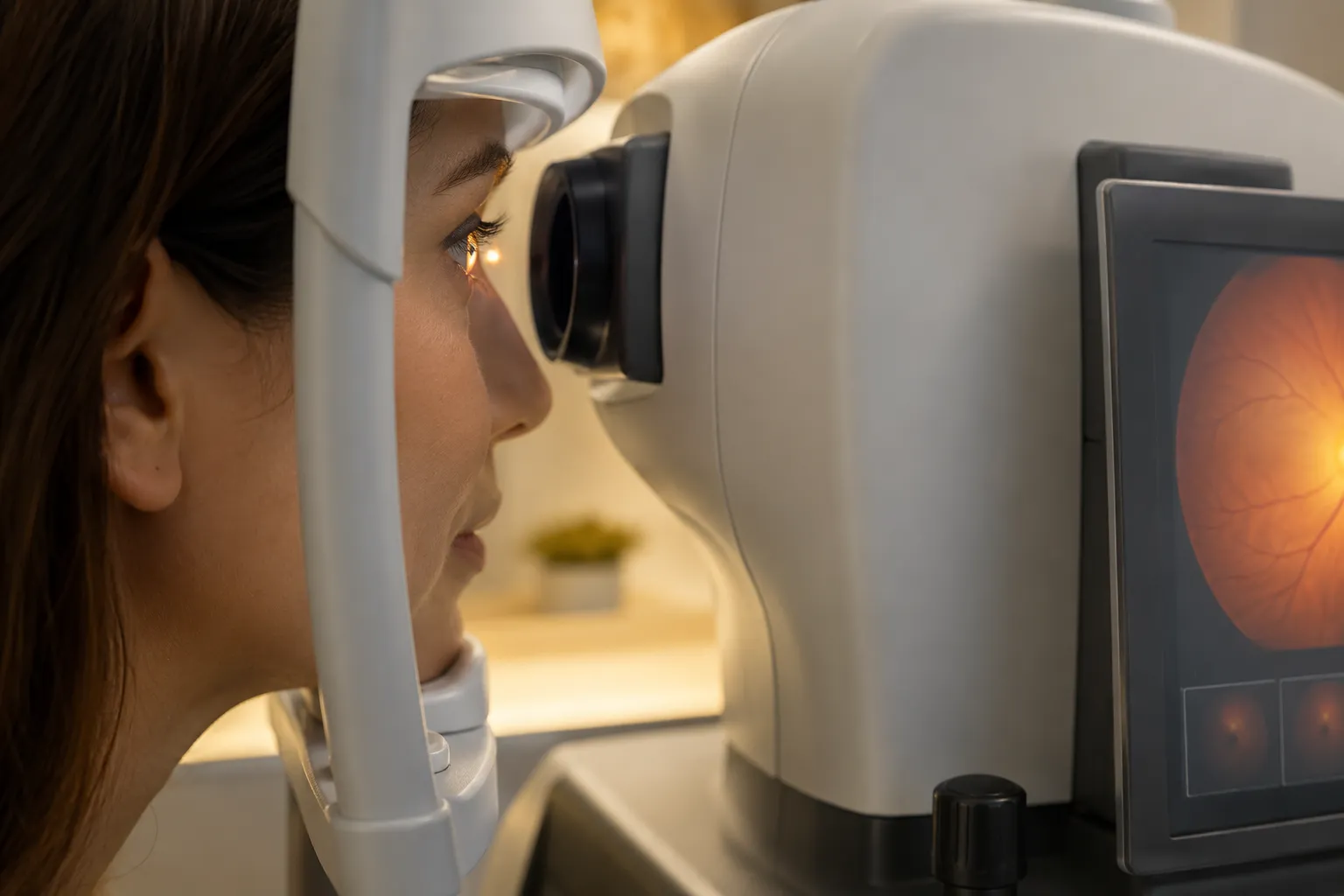
How do I know which supplement is right for me? The best way is to schedule a comprehensive dry eye evaluation. Our doctors can assess your tear quality, meibomian gland health, and overall eye surface to give you a specific recommendation rather than a general one.
Talk to Our Optometrists About Dry Eye Relief
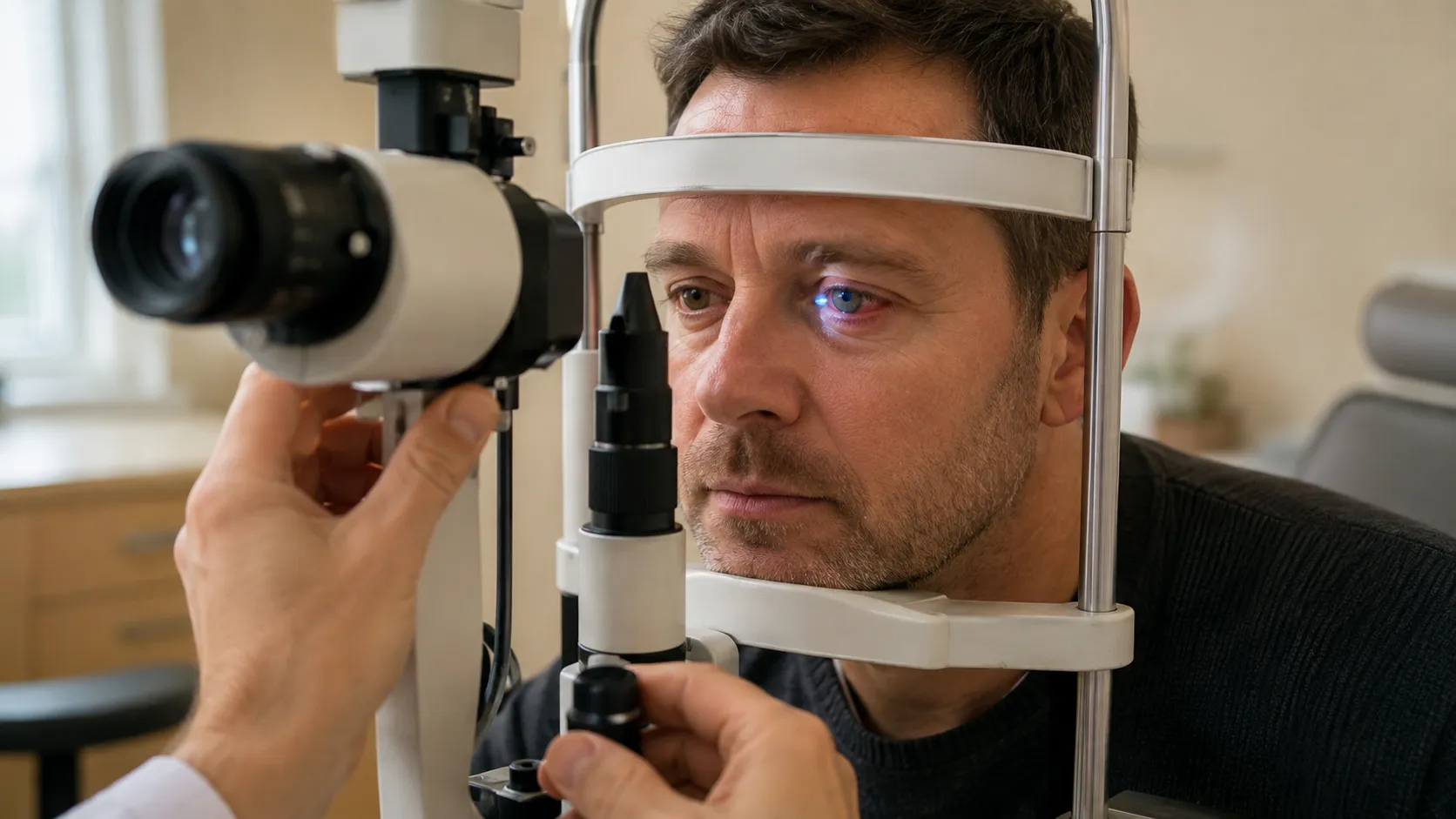
If you’re dealing with persistent dry, gritty, or irritated eyes, don’t just reach for over-the-counter drops. A proper evaluation can identify exactly what’s driving your symptoms — and a targeted supplement plan can be a meaningful part of the solution. Dr. Amy Catalano Boyer and Dr. Susan Gallant-Behan are available at Fox Run Eye Care, located at 603 Portsmouth Ave, Greenland NH 03840, serving patients from Portsmouth, Dover, Exeter, Hampton, and the surrounding NH Seacoast region.
Schedule a Dry Eye Evaluation or call us at 603-828-9601. Our professional-grade eye supplements are also available in-office — ask us which ones are right for your eyes.