
Transform Your Sight: The Benefits of Progressive Glasses

How to Choose the Best Progressive Lenses and Progressive Glasses
Progressive lenses may seem simple, one pair of glasses for every distance, with no visible lines. But when progressive glasses are the wrong design, many people spend weeks dealing with blur, distortion, and headaches, quickly learning that not all progressive lenses are created equal. The difference between a frustrating experience and a life-changing one often comes down to three things: the right lens design for your lifestyle, the right frame, and the right optometrist to fit them. Fox Run Eye Care serves patients across the Seacoast region of New Hampshire, Portsmouth, Greenland, Newington, Dover, Stratham, Rye, and Hampton, and this guide covers everything you need to make a confident, informed choice.
What Are Progressive Lenses and How Do They Work?
Progressive lenses are multifocal spectacles that integrate multiple refractive powers into a single lens, allowing clear vision at several distances without visible segment lines. A continuous power gradient reduces accommodative demand and can lessen near-vision strain while providing a natural transition between viewing zones.
What Is the Technology Behind Progressive Lenses?
Digital free-form manufacturing and individualized surface generation have markedly improved progressive lens performance. These processes use wearer measurements to create asymmetric, bespoke surfaces. Workspace-optimized progressive designs and digital workspace lenses can adjust the intermediate viewing area to support computer and desk work. Leading brands such as Varilux progressive lenses pioneered digital surfacing technology, enabling the precise customization that defines modern progressive eyewear.
How Do Progressive Lenses Differ From Bifocals and Trifocals?
Unlike bifocals and trifocals, which use discrete segments with visible lines, progressive lenses provide a continuous refractive power change across the lens. This yields improved aesthetics and smoother visual transitions across distances, a meaningful difference for patients who want a natural look and feel.
Which Factors Should You Consider When Choosing Progressive Lenses?
Evaluate clinical and practical factors that determine comfort and optical performance:
- Frequency of Use: If you wear glasses all day, prioritize broad, comfortable visual fields and reduced distortion.
- Frame Size and Shape: Frames must allow sufficient vertical height and corridor placement for the lens design to work effectively.
- Long-Term Comfort: Consider anti-reflective coatings, blue-light filtering, and lens material to improve long-term wearability.
Balancing these considerations helps you choose lenses that match daily tasks and comfort needs.
How Do Lifestyle and Vision Needs Affect Lens Choice?
Task demands determine which progressive design suits you. People with heavy screen time often benefit from blue-light filtering and designs that enlarge the intermediate zone. Activities that require frequent focus shifts, such as driving, reading, or computer work, need lenses optimized for intermediate clarity and comfortable peripheral viewing. If you’re ready to find a design tailored to your routine, our team serves patients in Portsmouth, Dover, Hampton, Stratham, and the surrounding Seacoast communities.
What Lens Materials and Coatings Improve Comfort and Durability?
Material choice affects weight, thickness, and optical quality. High-index plastics reduce thickness for stronger prescriptions. Anti-reflective and scratch-resistant coatings improve contrast, lower glare, and extend usable life. Choose substrates and coatings that address your prescription and daily environments.
How to Compare Progressive Lenses: Brands, Prices, and Features
Compare lens architecture, manufacturing method, material specs, and feature sets. Some manufacturers offer activity-specific lenses for digital workspace or outdoor use. Higher prices often reflect advanced digital surfacing, bespoke measurements, or premium coatings, weigh cost against measurable benefits for your prescription and tasks.
What Are the Top Progressive Lens Brands and Their Unique Benefits?
Several established brands lead the progressive lens market, each with distinct strengths. At Fox Run Eye Care, we offer Varilux progressive lenses,one of the most recognized and trusted progressive lens technologies, developed by Essilor and known for advanced digital surfacing and customized lens designs that deliver superior clarity and comfort.
Other brands available in the market include:
• Zeiss: Emphasizes precision optics and innovative designs for varied lifestyles.
• Hoya: Offers comfortable, performance-oriented progressive options for everyday wear.
How Do Prices Vary and What Affects Progressive Lens Cost?
Cost depends on brand, material, manufacturing method, and added features such as coatings or specialized zone designs. Digital measurements and bespoke surface optimization typically increase price. Discuss expected benefits with your provider to determine value for your prescription and visual tasks.
How Can You Adjust to Progressive Lenses Quickly and Comfortably?
Adaptation improves with a consistent approach:
- Wear Them Consistently: Regular use helps your visual system learn the lens corridors.
- Choose Premium Lenses: Higher-quality optics and measurements can reduce distortion and shorten adjustment time.
- Consult Your Optometrist: Professional guidance and minor adjustments improve comfort and alignment.
These practices typically shorten the adaptation period and enhance wearer comfort. Understanding the determinants of successful adaptation, particularly for first-time wearers, is essential to achieve optimal outcomes.
What Are the Best Fitting Tips for New Progressive Lens Wearers?
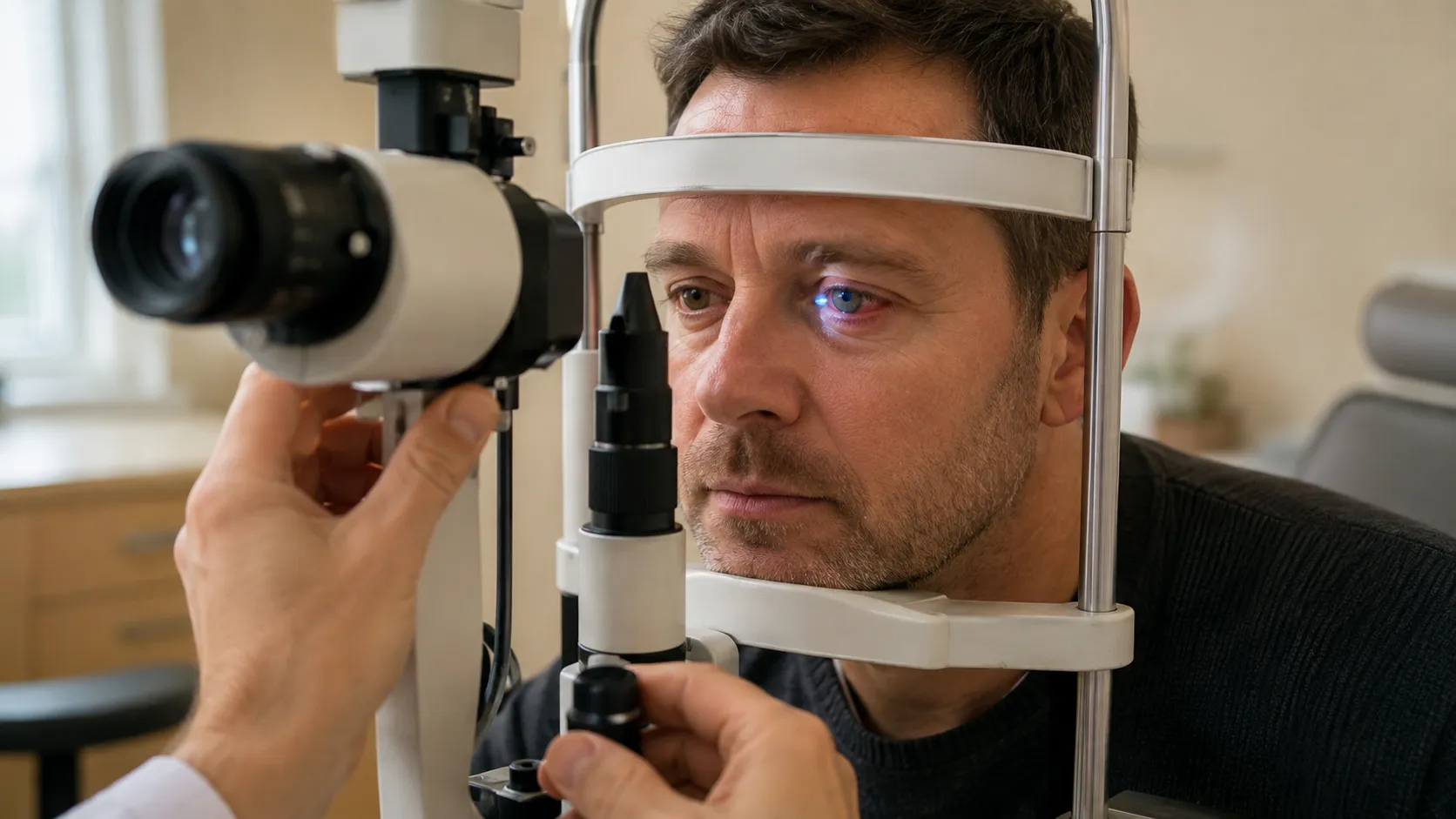
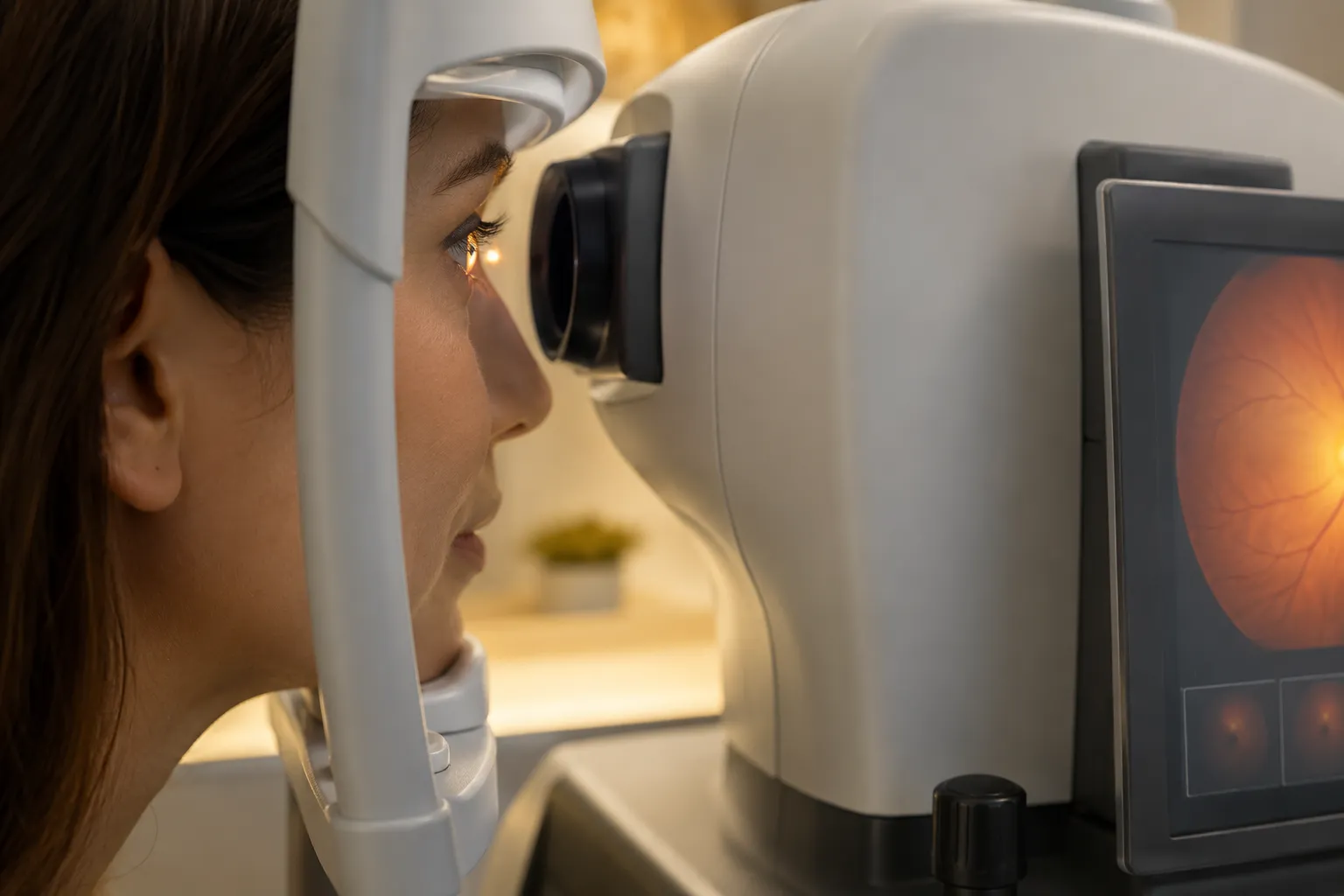
Proper fitting ensures intended optical performance. At Fox Run Eye Care, comprehensive eye exams use modern diagnostic technology, including slit-lamp examination, Icare non-puff tonometry for eye pressure screening, and Optos widefield retinal imaging, to evaluate eye health and ensure your prescription is precisely measured before any lens recommendation. Consider these initial fitting recommendations:
- Professional Fitting: Have a qualified optometrist confirm accurate measurements and alignment.
- Frame Selection: Pick frames with adequate vertical height and lens area for the progressive corridor.
- Posture Awareness: Use correct head and body posture so you look through the intended lens zones for each distance.
How Long Does It Take to Adapt to Progressive Lenses?
Most wearers adapt within two to four weeks, though times vary with prescription complexity, lens quality, and habitual visual behavior. Consistent wear and professional advice speed adaptation.
What Are the Latest Advances in Progressive Lens Technology?
Recent advances emphasize greater customization and task-specific performance. AI-assisted design algorithms and high-precision digital measurement systems yield more accurate surface generation. Workspace-specific lenses optimize visual fields for defined environments such as offices.
What Role Does Blue Light Filtering Play in Eye Protection?
Blue-light filtering lenses may improve visual comfort during extended screen use for some individuals. Some users report reduced glare and less digital eye strain when using blue light glasses, although, as per the American Academy of Ophthalmology, scientific evidence on broader health effects remains mixed.
Frequently Asked Questions
Q: What’s the difference between progressive lenses and progressive glasses?
Progressive lenses and progressive glasses refer to the same product—multifocal eyewear without visible lines. ‘Progressive glasses’ is the complete eyewear (frames + lenses), while ‘progressive lenses’ refers specifically to the lens technology. At Fox Run Eye Care, we help you select both the right progressive lens design and frames that complement your prescription.
Q: What are the common challenges faced by first-time progressive lens wearers?
New wearers may notice peripheral distortion, difficulty finding the viewing corridor, and transient discomfort or a ‘swimming’ sensation during head movement. Consistent wear and proper fitting reduce these issues quickly. Patients who commit to wearing their lenses daily typically adapt faster.
Q: Are Varilux progressive lenses worth the investment?
Varilux progressive lenses are considered premium options due to their advanced digital surfacing and extensive customization. Many wearers report wider visual fields and faster adaptation compared to standard progressive lenses. Your eye care professional at Fox Run Eye Care can help determine if Varilux technology matches your prescription needs and budget.
Conclusion
Choosing the right progressive lenses and progressive glasses improves visual function by offering seamless focal transitions and better clarity for daily tasks. Whether you’re a first-time progressive wearer or upgrading from an older design, the right lens can transform how you see the world—making driving, reading, and screen time easier and more comfortable.
At Fox Run Eye Care, we take time to understand your unique visual demands, lifestyle, and prescription before recommending a lens design. Patients from Portsmouth, Greenland, Newington, Dover, Stratham, Rye, and Hampton trust our team for personalized, comprehensive vision care backed by advanced technology.
Contact us to schedule a comprehensive eye exam with Fox Run Eye Care near Portsmouth, Greenland, NH. Many patients near Portsmouth searching for progressive glasses start here. Our team helps patients across Portsmouth, Dover, Newington, Rye, Hampton, and the Seacoast region find the progressive lenses that best match their lifestyle and vision needs.
About the Author
Dr. Amy Catalano Boyer is the founder of Fox Run Eye Care, PLLC, a licensed optometrist with over 25 years of experience serving New Hampshire’s Seacoast communities. She founded Fox Run Eye Care with a clear focus: personalized, comprehensive vision care backed by advanced technology and a genuine commitment to every patient. The clinical team also includes optometrist Dr. Susan Gallant-Behan, providing thorough and compassionate care for individuals and families at every stage of life. Fox Run Eye Care is located near Portsmouth, Greenland, NH.