Pediatric Eye Exams: Ensuring Your Child’s Vision Health

Pediatric Eye Exams: When and How to Ensure Your Child’s Vision Health
Ensuring your child’s vision health is crucial for their overall development and learning. Pediatric eye exams play a vital role in identifying potential vision problems early, allowing for timely intervention. This comprehensive guide will explore the importance of pediatric eye exams, when they should occur, and what parents can expect during the process. Many parents may not realize that vision issues can significantly impact a child’s academic performance and social interactions. By understanding the significance of these exams, you can take proactive steps to safeguard your child’s vision health. For those looking to schedule or learn more about specific eye exam services, this article will cover the recommended eye exam schedule, signs that your child may need an exam, what happens during an eye exam, common pediatric eye conditions, and the importance of choosing the right eye care provider.
As a leading expert in pediatric eye care, Dr. Amy Catalano Boyer, OD, emphasizes the profound impact of early detection. “A child’s vision development is a dynamic process,” says Dr. Catalano Boyer. “Regular pediatric eye exams are not just about checking for glasses; they are about ensuring the visual system develops correctly, which is fundamental for learning and overall well-being.” Her extensive experience in children’s vision health underscores the critical need for proactive eye care from infancy through adolescence.
When Should Your Child Have Their First Eye Exam?
The timing of your child’s first eye exam is critical for their vision development. Early detection of vision issues can lead to more effective treatment and better outcomes. The American Academy of Pediatrics recommends that children have their first eye exam at 6 months of age, followed by additional exams at specific intervals as they grow.
Indeed, experts underscore the fundamental role of early eye examinations in monitoring a child’s visual development. Dr. Amy Catalano Boyer, OD, often highlights this, stating, “The visual system is rapidly developing in the first few years of life. Catching issues like amblyopia or strabismus early can make a world of difference in treatment success and long-term visual outcomes.”
Essential Early Eye Exams for Children
An eye examination during the early stages of a child’s life is essential to determine that the child’s vision is developing as expected.
The role of optometrists in paediatric eyecare in England, 2022
Recommended Eye Exam Schedule by Age Group

Here is a recommended schedule for pediatric eye exams based on age:
- 6 Months: First eye exam to check for any early signs of vision problems.
- 3 Years: A comprehensive exam to assess visual development and detect any issues.
- Before Starting School (Ages 4-5): Another exam to ensure proper vision before starting school.
- Every 1-2 Years: After age 5, children with no vision problems should have eye exams every 1-2 years; annual exams are recommended if the child wears glasses or has vision issues.
This schedule may vary based on individual risk factors, such as family history of eye conditions or developmental delays. Dr. Catalano Boyer advises, “Parents should always discuss any concerns about their child’s vision or family history of eye conditions with their optometrist, as this may necessitate a more frequent exam schedule.”
Why Early Eye Exams Are Crucial for Vision Development
Early eye exams are essential for several reasons. They help identify vision problems that could hinder a child’s learning and development. For instance, conditions like amblyopia (lazy eye) can be more effectively treated if detected early. Additionally, regular eye exams can ensure that children receive the necessary corrective lenses or treatments to support their visual needs as they grow.
Specifically, research highlights the significant positive impact of early vision screening and treatment on conditions like amblyopia. Dr. Amy Catalano Boyer, OD, often refers to this, explaining, “The brain’s visual pathways are most plastic in early childhood. This means that interventions for conditions like amblyopia are far more successful when initiated before the age of seven or eight, making those early exams incredibly powerful.”
Benefits of Early Vision Screening for Amblyopia
treatment outcome for children with amblyopia and shown clear improvements associated with very early vision screening and treatment
Amblyopia treatment outcomes after screening before or at age 3 years: follow up from randomised trial, C Williams, 2002
What Are the Signs Your Child Needs an Eye Exam?
Recognizing the signs that your child may need an eye exam is vital for timely intervention. Many parents may overlook subtle symptoms that indicate potential vision problems. Dr. Amy Catalano Boyer, OD, frequently educates parents on these indicators, emphasizing that “children often don’t know what ‘normal’ vision feels like, so they won’t always tell you if something is wrong. It’s up to us as parents and caregivers to observe their behavior.”
Common Symptoms of Vision Problems in Children
Some common symptoms that may suggest your child needs an eye exam include:
- Frequent Squinting: This can indicate difficulty seeing clearly.
- Sitting Too Close to Screens or Holding Books Very Close: A sign that your child may be straining to see.
- Complaints of Headaches: Often linked to eye strain or vision issues.
- Difficulty with Reading or Writing: Struggling to focus on text can be a red flag.
- Rubbing Eyes Excessively: Can indicate discomfort, fatigue, or an underlying vision problem.
- Tilting Head or Covering One Eye: A compensatory mechanism to try and see better.
How to Recognize Vision Issues Like Squinting and Eye Strain
To recognize vision issues, observe your child’s behavior. If they frequently squint or rub their eyes, it may indicate discomfort or difficulty seeing. Additionally, watch for signs of eye strain, such as excessive blinking or avoiding activities that require close focus. Dr. Catalano Boyer advises, “Pay attention during homework time or when they’re engaged in visual tasks. If they’re avoiding reading, complaining of blurry vision, or showing signs of frustration, it’s a strong signal to schedule an eye exam promptly.” If you notice any of these symptoms, it is essential to schedule an eye exam promptly.
What Happens During a Pediatric Eye Exam?
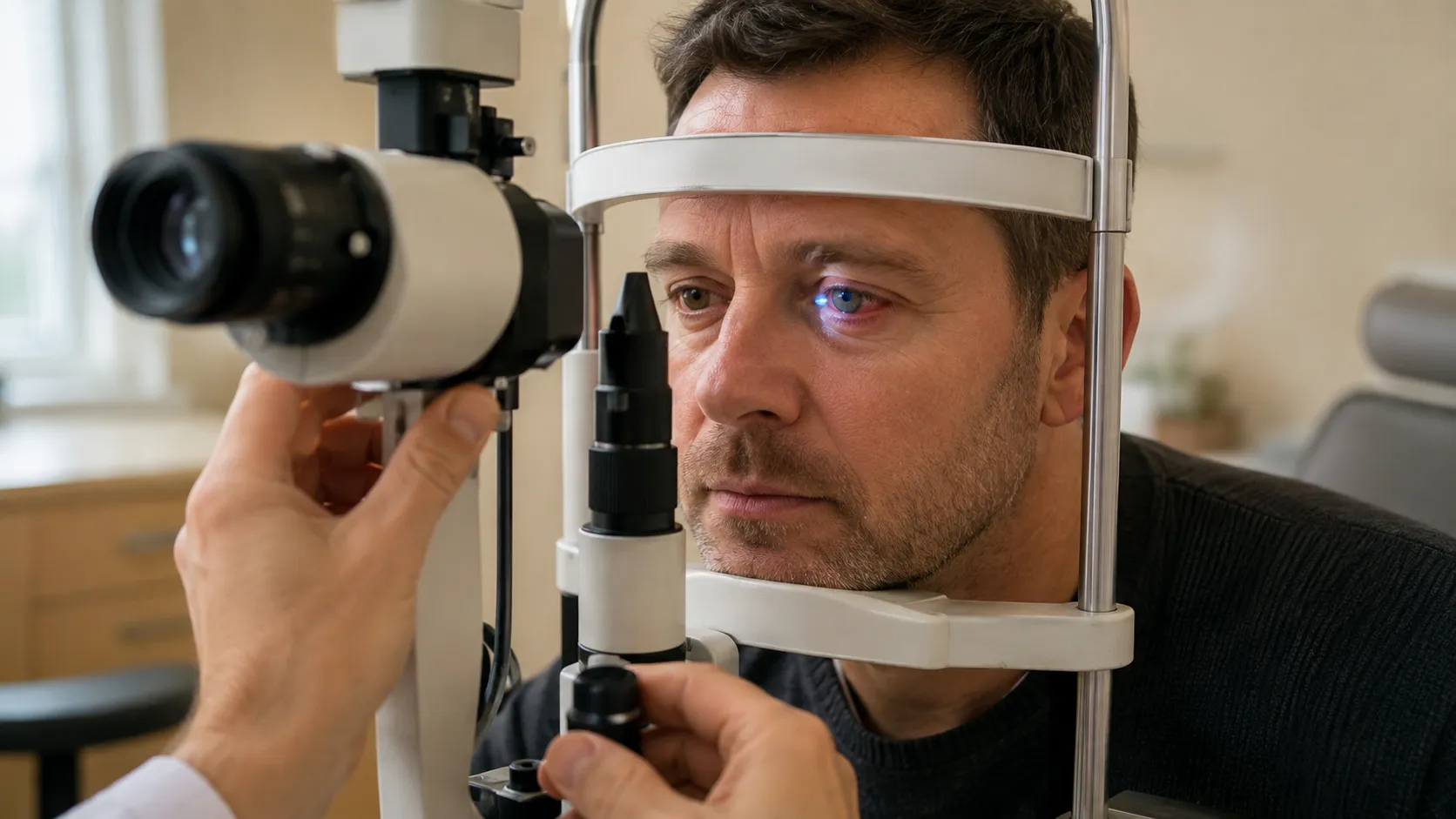
Understanding what to expect during a pediatric eye exam can help alleviate any anxiety for both parents and children. These exams are designed to be thorough yet child-friendly. Dr. Amy Catalano Boyer, OD, ensures her practice creates a welcoming environment. “Our goal is to make the experience positive and even fun for children,” she explains. “We use age-appropriate tools and techniques to get accurate results without causing stress.”
Typical Tests and Procedures in a Child’s Eye Exam
During a pediatric eye exam, several tests may be conducted, including:
- Visual Acuity Test: Measures how well your child can see at various distances, often using charts with pictures or shapes for younger children.
- Pupil Response Test: Assesses how the pupils react to light, indicating overall eye health.
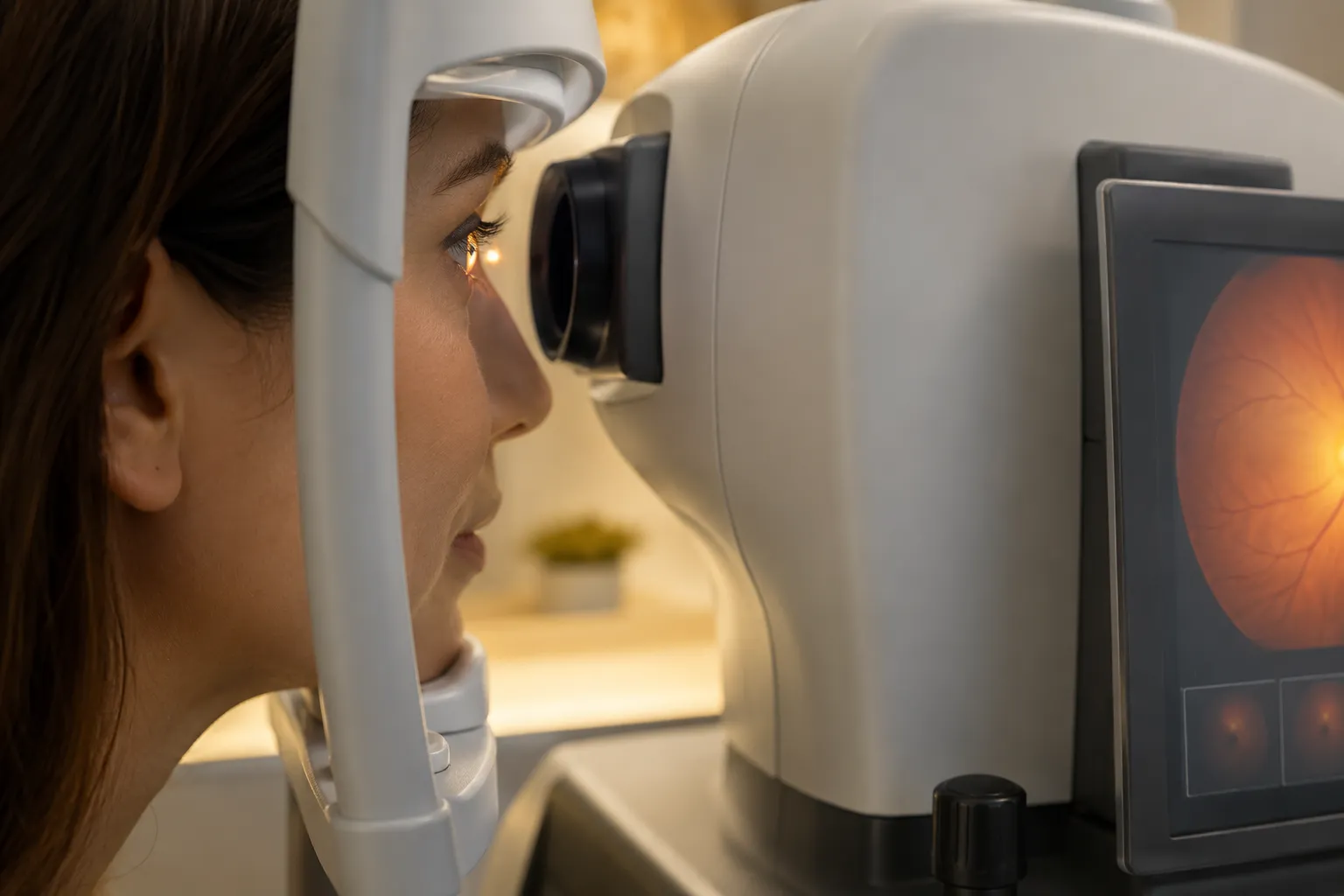
- Retinal Examination: Allows the eye doctor to check the back of the eye for any abnormalities.
- Refraction: Determines if your child needs corrective lenses for nearsightedness, farsightedness, or astigmatism.
- Eye Alignment and Movement Tests: Checks for conditions like strabismus and ensures eyes work together properly.
These tests are typically quick and designed to be engaging for children, ensuring a positive experience. Dr. Catalano Boyer notes, “We often use toys and lights to keep children engaged and cooperative, making the examination feel more like playtime than a medical appointment.”
Preparing Your Child for a Comprehensive Eye Exam
Preparation can help make the eye exam process smoother. Discuss the exam with your child in a positive light, explaining that it is a routine check-up to help them see better. You can also bring along a favorite toy or book to keep them comfortable during the wait. Ensuring your child understands what to expect can reduce anxiety and help them cooperate during the exam. Dr. Amy Catalano Boyer, OD, suggests, “Tell them the eye doctor will look for ‘super vision’ and might use some fun lights. Reassure them that it won’t hurt and that we’re here to help them see the world clearly.”
Common Pediatric Eye Conditions and Their Treatments

Several common eye conditions can affect children, and understanding these can help parents recognize potential issues early. Dr. Amy Catalano Boyer, OD, frequently diagnoses and manages these conditions, providing expert guidance to families.
Understanding Amblyopia, Strabismus, and Myopia
- Amblyopia (Lazy Eye): A condition where one eye does not develop proper vision, often due to misalignment or significant differences in prescription between the eyes. “Amblyopia is a leading cause of vision loss in children, but it’s highly treatable if caught early,” explains Dr. Catalano Boyer.
- Strabismus (Crossed Eyes): A condition where the eyes do not align properly, which can lead to amblyopia if not treated. “Early intervention for strabismus is key to preventing permanent vision problems and ensuring proper depth perception,” says Dr. Catalano Boyer.
- Myopia (Nearsightedness): A common refractive error where distant objects appear blurry, often requiring corrective lenses. “Myopia is becoming increasingly prevalent in children, and we now have advanced strategies to help manage its progression,” notes Dr. Catalano Boyer.
Recognizing these conditions early can lead to effective treatment options.
Treatment Options and Early Intervention Benefits
Treatment options vary based on the condition but may include:
- Corrective Lenses: Glasses or contact lenses to improve vision.
- Vision Therapy: Exercises to improve coordination and focus. Dr. Catalano Boyer often prescribes vision therapy for conditions like amblyopia and strabismus to help the eyes and brain work together more effectively.
- Patching or Atropine Drops: Used for amblyopia to strengthen the weaker eye.
- Surgery: In some cases, surgical intervention may be necessary to correct alignment issues, particularly for severe strabismus.
Early intervention is crucial, as it can significantly improve outcomes and prevent long-term vision problems. “The earlier we can intervene, the better the chances of achieving optimal vision for a child,” emphasizes Dr. Amy Catalano Boyer, OD.
Pediatric Eye Care Importance: Impact on Learning and Development
The connection between vision health and a child’s learning capabilities cannot be overstated. Proper vision is essential for academic success and overall development. Dr. Amy Catalano Boyer, OD, frequently consults with parents and educators on this vital link.
How Vision Health Affects Academic Performance
Research indicates that children with untreated vision problems may struggle academically. Poor vision can hinder a child’s ability to read, write, and engage in classroom activities effectively. “Imagine trying to learn to read when the words on the page are blurry or jump around,” Dr. Catalano Boyer illustrates. “It’s incredibly frustrating and can lead to a child being mislabeled as having a learning disability when the root cause is simply an uncorrected vision problem.” By ensuring regular eye exams and addressing any issues, parents can support their child’s educational journey.
Long-Term Consequences of Untreated Vision Problems
Untreated vision problems can lead to long-term consequences, including persistent academic challenges and social difficulties. Children may develop low self-esteem or behavioral issues if they struggle to keep up with their peers. Early detection and treatment can mitigate these risks, promoting a healthier, more successful childhood. Dr. Amy Catalano Boyer, OD, warns, “Beyond academics, untreated vision issues can impact a child’s participation in sports, social interactions, and overall confidence. Investing in their vision health early is an investment in their entire future.”
Choosing the Right Eye Doctor: Optometrist vs. Ophthalmologist
Selecting the appropriate eye care provider is essential for your child’s vision health. Understanding the differences between optometrists and ophthalmologists can help you make an informed decision.
Roles and Expertise of Pediatric Eye Care Providers
- Optometrists: These professionals, like Dr. Amy Catalano Boyer, OD, provide primary vision care, including comprehensive eye exams, vision tests, and the prescription of corrective lenses. They can also diagnose, treat, and manage many common eye conditions and diseases. Dr. Catalano Boyer’s expertise lies in identifying and managing pediatric vision issues, ensuring children receive appropriate care from their earliest years.
- Ophthalmologists: Medical doctors specializing in eye and vision care, ophthalmologists can perform eye surgery and treat more complex eye conditions. For authoritative resources and clinical guidelines on eye care, refer to the American Academy of Ophthalmology.
When to See a Specialist for Your Child’s Vision
If your child exhibits signs of significant vision problems or if there is a family history of eye conditions, it may be necessary to see a specialist. Additionally, if your child requires surgery or advanced treatment, an ophthalmologist will be the appropriate choice. Regular check-ups with an optometrist like Dr. Amy Catalano Boyer can help determine if a referral to a specialist is needed. “As an optometrist, I serve as the first line of defense for children’s vision,” says Dr. Catalano Boyer. “I can diagnose a wide range of conditions and, when necessary, seamlessly refer to an ophthalmologist for surgical or highly specialized medical management, ensuring your child always receives the best possible care.”