
How Often Should You Get an Eye Exam? Age-by-Age Guide
Most adults know they should get their eyes checked regularly, yet scheduling a comprehensive eye evaluation keeps getting pushed to the bottom of the to-do list. The truth is, how often you need an eye exam depends on your age, health history, and whether your vision has changed, and the answer looks different at 25 than it does at 50. This guide breaks it down clearly, by life stage, so you know exactly where you stand and when it makes sense to book your next appointment in the Portsmouth, New Hampshire area.
Why Eye Exam Frequency Actually Matters
Most serious eye conditions develop without obvious warning signs. Glaucoma, early macular degeneration, and diabetic retinopathy can each progress quietly for years before you notice anything wrong. By the time blurred vision or discomfort appears, meaningful damage may already have occurred. Regular exams catch changes early, when treatment options are most effective and vision is most easily protected.
Beyond disease detection, your prescription changes over time. Many people adapt so gradually to shifting vision that they don’t realize how much clarity they’re missing until an updated exam reveals the difference. What feels like “just getting older” is often something correctable.
Patients from Portsmouth, Newington, Rye, Dover, and Exeter who visit Fox Run Eye Care near Portsmouth, NH, regularly describe a consistent experience: they arrived thinking everything was fine and left with answers they didn’t know they needed.
Eye Exam Schedule by Age Group
Children: Birth Through Age 18
Vision problems in children are common and commonly missed. Children rarely complain about blurry vision because they’ve never experienced anything different. A child squinting at the board, losing their place while reading, or tilting their head to see may simply be adapting to a prescription they need.
Recommended frequency for children:
- First exam: at 6 months of age
- Second exam: at age 3
- Third exam: before starting kindergarten or first grade
- School years: annually, or as recommended by your eye doctor
For children already wearing glasses or contact lenses, annual exams are standard. Prescriptions change quickly during growth years, and outdated correction can affect learning and development.
Young Adults: Ages 18 to 39
While every two years may seem adequate for some adults in this age group, the doctors at Fox Run Eye Care recommend annual eye exams for patients 18 to 39 as well. Digital technology has changed the picture significantly. Phones, tablets, computers, and screens of every kind are creating a generation of younger adults who benefit from light prescriptions for computer use, blue light lenses, or anti-fatigue lenses, even if they have never needed glasses before. Waiting two years means potentially missing a small prescription that could make a real difference in how your eyes feel at the end of a workday. Many vision insurance plans cover annual eye exams, making it straightforward to check in on your prescription and overall eye health every year at little or no cost.
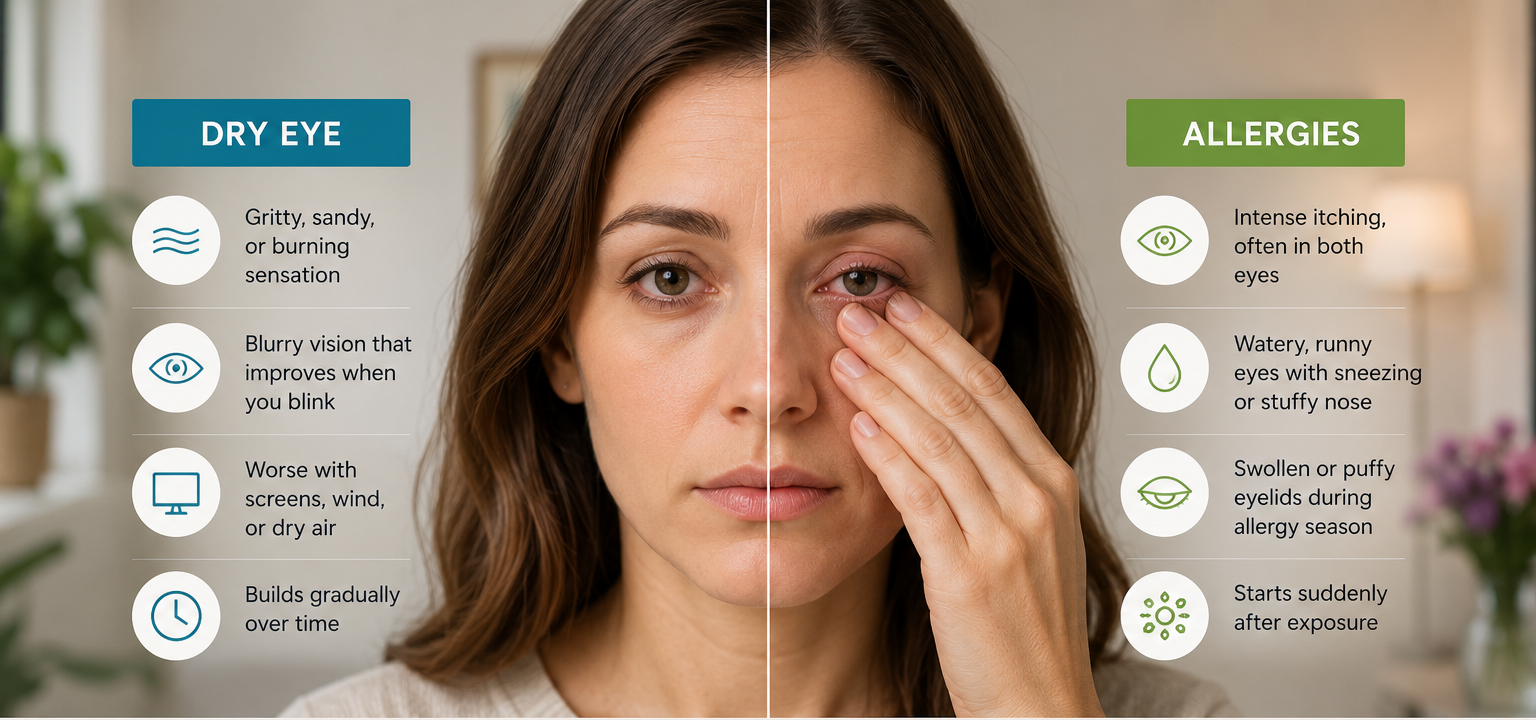
Annual visits also give the doctors an opportunity to address dry eye symptoms, which are increasingly common in this age group due to prolonged screen time. Many patients in their 20s and 30s do not connect their tired, irritated, or gritty-feeling eyes to a treatable condition, but a comprehensive exam can identify it and provide real relief. Contact lens wearers have an additional reason to come in every year: lenses interact directly with the corneal surface, and a yearly check confirms that fit, prescription, and eye tissue are all where they should be.
Annual exams are also a natural opportunity to explore prescription sunglasses, which many vision insurance plans include as a covered benefit. Patients from Stratham, Kittery in Maine, Hampton, and Exeter often find that an annual visit opens the door to solutions they did not know they needed, from updated prescriptions to sun protection for their lifestyle.
Adults Ages 40 to 55: When Vision Shifts Begin
This is the decade most people first notice their near vision changing. Presbyopia, the gradual loss of close-up focus that comes with age, typically becomes noticeable in the early 40s. Reading a menu, looking at a phone, or threading a needle gets harder. Readers from the pharmacy can help temporarily, but they’re not a substitute for an accurate prescription.
The American Academy of Ophthalmology (AAO) recommends that adults have a baseline comprehensive eye exam at age 40, even without symptoms, because this is when early signs of age-related eye conditions are most likely to first appear.
Recommended frequency in this age group:
- Every 1 to 2 years for adults without risk factors or known eye conditions
- Annually for adults with diabetes, elevated eye pressure, or a family history of glaucoma or macular degeneration
- Annually for adults who wear glasses or contacts
Adults in Greenland, North Hampton, and Newmarket who haven’t had an exam in three or more years and are in their 40s are the patients most likely to discover something worth knowing at their next visit.
Adults 55 and Older: Annual Exams Are the Standard
After age 55, annual eye exams become the standard recommendation. Cataracts, glaucoma, and macular degeneration all increase in prevalence with age, and none of them are reliably detected through self-monitoring. Cataracts develop slowly enough that many people don’t notice them until they affect driving at night or cause significant halos around lights.
Glaucoma, in particular, is a silent condition. Peripheral vision loss occurs so gradually that it often doesn’t register until it is severe. An annual exam with intraocular pressure measurement and optic nerve imaging is the only reliable way to catch it early.
Older adults with systemic conditions including diabetes, high blood pressure, or a history of cardiovascular disease should confirm their exam frequency with their optometrist, as these conditions affect the eyes in ways that require closer monitoring.
Signs You Should Not Wait for Your Next Exam
Regardless of where you fall on the age schedule above, certain symptoms mean booking sooner rather than later:
- Sudden increase in floaters or flashes of light, which can indicate retinal involvement
- A noticeable change in vision quality, either blurring, distortion, or loss of sharpness
- Persistent headaches that occur during screen use or reading
- Difficulty seeing clearly at night or increased glare sensitivity
- Eye pain, redness, or discharge that does not resolve within a day or two
- Double vision in one or both eyes
These are not symptoms to monitor at home for weeks. Patients from Dover, Somersworth, and York in Maine have access to same-day or urgent appointments at Fox Run Eye Care near Portsmouth for exactly these situations.
Who Needs More Frequent Eye Exams
The standard schedule by age is a starting point. Several factors move people into a higher-frequency category:
Diabetes
Diabetes can cause diabetic retinopathy, a condition involving changes to the blood vessels in the retina. Annual diabetic eye exams are strongly recommended even for patients whose blood sugar is well controlled, because the disease can progress even when systemic management is good. Fox Run Eye Care provides diabetic retinal imaging as part of comprehensive exams, with reports sent to primary care providers on request.
Family History of Glaucoma
Having a first-degree relative with glaucoma significantly increases your risk. Patients with this history should discuss annual monitoring with their optometrist regardless of age.
High Prescription or Irregular Corneas
People with high myopia (strong nearsighted prescription) are at increased risk for retinal detachment and certain other conditions. More frequent monitoring is often recommended by the eye doctor based on the specifics of the prescription and retinal health.
Contact Lens Wearers
Annual exams are the standard for contact lens wearers of any age. Contacts interact directly with the surface of the eye, and extended wear without regular monitoring increases the risk of corneal complications that may not produce early symptoms.
What a Comprehensive Exam Actually Includes
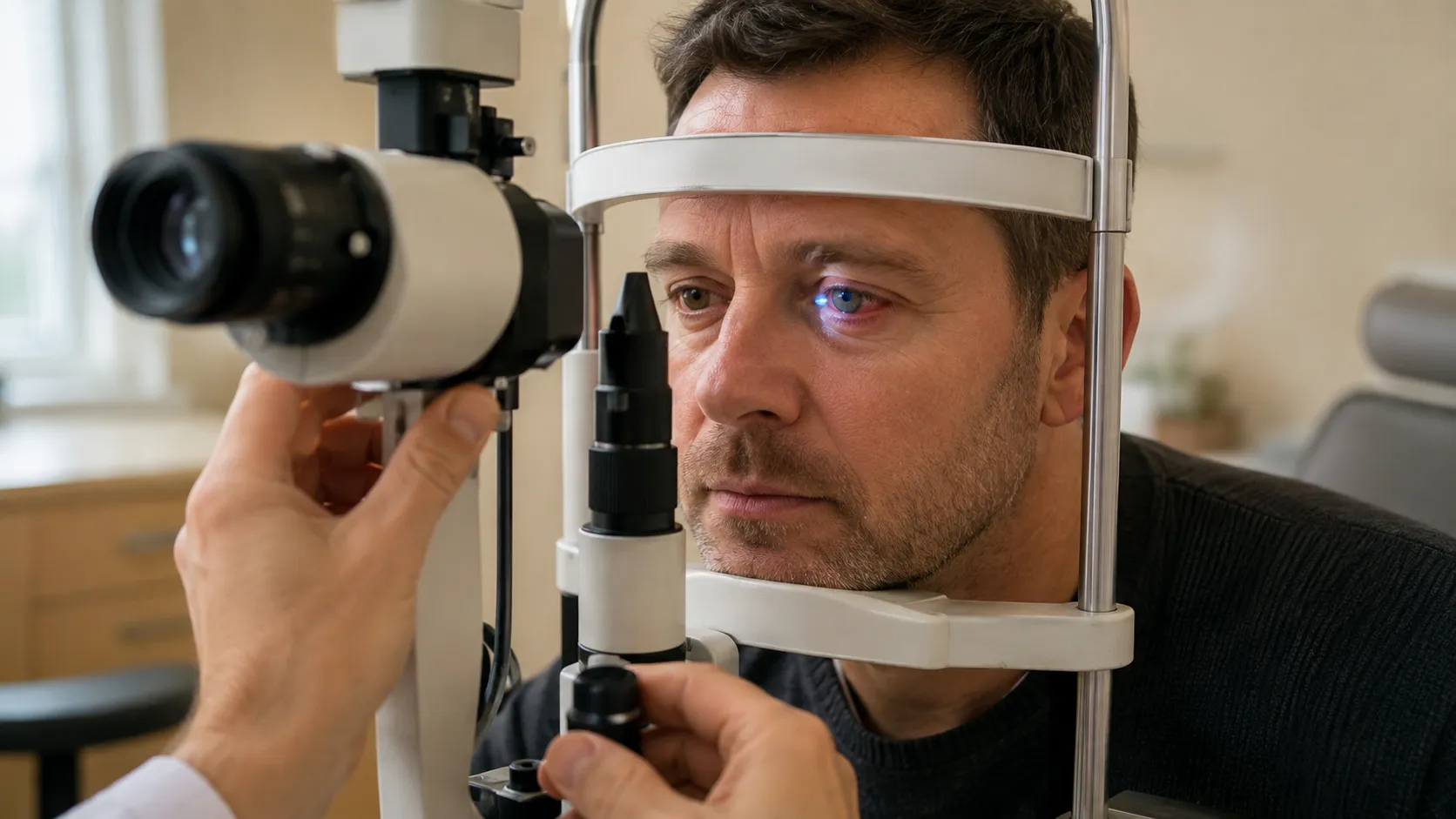
One reason people put off eye exams is uncertainty about what happens during them. At Fox Run Eye Care near Portsmouth, NH, a comprehensive exam with the doctor typically takes about 30 minutes and includes:
- Visual acuity testing to assess sharpness at distance and near
- Refraction to determine whether a prescription is needed or should be updated
- Intraocular pressure measurement with the Icare tonometer, which requires no puff of air
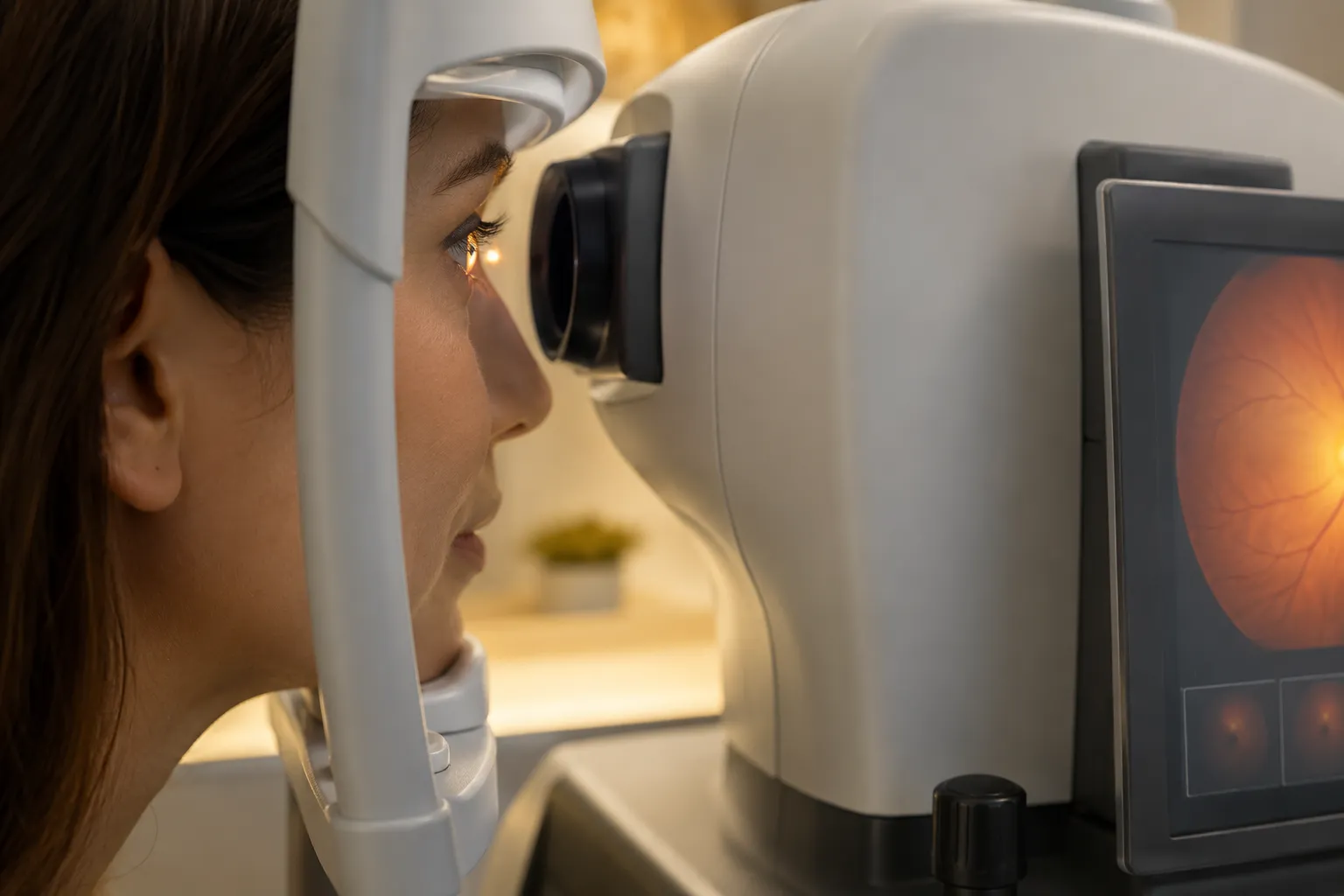
- Optomap widefield retinal imaging for a detailed view of the retina in a single comfortable scan
- External and internal eye health assessment, including the cornea, lens, and optic nerve
- A brief antioxidant wellness reading using the Life Meter, included at no charge
The exam itself is efficient and thorough. Most patients are done with the doctor in about 30 minutes. If you plan to select frames, budget closer to 60 minutes total between the exam and working with the optician on measurements and fitting. A helpful tip: browse the frame selection for a few minutes before your appointment so you can move straight from the exam to your final choice without backtracking.
Questions Patients Ask About Eye Exam Frequency
My vision seems fine. Do I still need to go?
Yes. Most serious eye conditions have no early symptoms. Glaucoma, for example, causes peripheral vision loss so slowly that it is rarely noticed until significant damage is done. A “my vision seems fine” report is not the same as an eye doctor’s assessment. Regular exams are about what you cannot detect on your own.
Is every year really necessary, or is that just for revenue?
The frequency recommendation is tied to clinical risk, not scheduling convenience. Adults over 55 and those with diabetes, high prescriptions, or family history of eye disease are genuinely at higher risk for conditions that worsen without detection. For healthy adults in their 20s and 30s, every two years is typically appropriate. The schedule should match your actual risk profile, which your optometrist can outline after an exam.
What if I just need my glasses prescription updated?
A prescription update requires a comprehensive exam, and that exam also checks the health of your eyes beyond the prescription. Separating “I just need new glasses” from “I need an eye health evaluation” isn’t possible in practice. The prescription and the health check happen at the same appointment, and both matter.
Your Vision Is Worth the Appointment
Eye exams are one of the few preventive health appointments where the findings can genuinely change your quality of life and where missing them has real, measurable consequences. How often you should get an eye exam depends on your age, health history, and whether you wear corrective lenses. Most adults benefit from going every one to two years, with annual visits recommended after 55 or for anyone with elevated risk factors.
If you live in Portsmouth, Greenland, Newington, Rye, Exeter, Hampton, Kittery, or anywhere in the Seacoast region and you’re overdue for an exam, this is the straightforward answer: it’s time to book. The appointment is easier than the worry, and the peace of mind is real.
To schedule your eye exam with the team at Fox Run Eye Care near Portsmouth, visit our website or contact us directly. We welcome patients from across the Seacoast, including those who followed Dr. Amy Catalano Boyer and Dr. Susan Gallant-Behan from Fox Run Mall in Newington to our current near Portsmouth, Greenland location.
About Dr. Amy Catalano Boyer
Dr. Amy Catalano Boyer is the founder of Fox Run Eye Care, an independent optometry and optical practice located near Portsmouth in Greenland, New Hampshire. With over 25 years of experience in optometry, she earned her Doctor of Optometry degree from Indiana University Bloomington and has spent her career providing personalized, thorough eye care for patients at every stage of life. Before opening her independent practice, Dr. Amy Catalano Boyer served patients for more than 24 years next to LensCrafters at Fox Run Mall in Newington, building lasting relationships with families across the Seacoast. Her approach centers on unhurried, precise care using advanced diagnostic technology, with the goal of giving every patient a complete picture of their eye health at every visit.