How Carotenoid Readings Enhance Visual Wellness

How Carotenoid Readings Help Protect and Improve Your Eye Health
Carotenoids are natural pigments found in many fruits and vegetables that play an important role in eye health. This article explains how carotenoid readings work, what these nutrients do for your vision, and how clinicians measure them.
You’ll learn why macular pigment levels matter, how supplements such as MacuHealth can help, and how readings guide personalized eye-care plans.
With more screen time and the effects of aging, keeping an eye on macular health is increasingly important. Carotenoid testing offers a simple, proactive way to monitor and support your vision. We’ll cover carotenoids’ role, how macular pigment optical density is measured, supplement benefits, and where Seacoast residents can get tested.
What Carotenoids Are and Why They Matter for Your Eyes
Carotenoids are plant pigments that give fruits and vegetables their bright colors. In the eye, certain carotenoids act as antioxidants and accumulate in the macula — the small, central part of the retina that sharpens vision. Lutein, zeaxanthin, and meso‑zeaxanthin are the key macular carotenoids. They help filter blue light and protect retinal tissue from oxidative stress, supporting visual comfort and clarity as we age.
Which Carotenoids Support Healthy Vision?
Lutein and zeaxanthin are the most widely studied for eye health; they’re linked with lower risk of age-related macular changes and cataracts. You’ll find them in dark leafy greens like spinach and kale and in egg yolks.
Meso‑zeaxanthin is another important component often included in targeted eye supplements to boost macular pigment density and further support central vision. Research increasingly highlights the specific benefits of macular carotenoids — especially meso‑zeaxanthin — for visual performance and for addressing age-related macular degeneration.
Macular carotenoids and visual function in early AMD
The Mesozeaxanthin Ocular Supplementation Trial (MOST) followed participants with early age-related macular degeneration for 36 months to compare different carotenoid formulations. The study focused on lutein, zeaxanthin, and meso‑zeaxanthin and found that including meso‑zeaxanthin helps increase macular pigment and improve visual function in affected patients.
KO Akuffo1, JM Nolan1, AN Howard2, R Moran1, J Stack1, R Klein3, BE Klein3, SM Meuer3, S Beatty, 2015
How Carotenoids Protect the Eye as Antioxidants
Carotenoids act as antioxidants by neutralizing free radicals that can damage retinal cells. They also absorb some blue light before it reaches sensitive tissue, lowering oxidative stress and improving visual comfort. Together these effects help preserve retinal health and support clearer vision.
How Macular Pigment Optical Density Is Measured — A Non‑Invasive Overview

Macular pigment optical density (MPOD) quantifies the concentration of carotenoids in the macula. Modern MPOD tests are non-invasive and provide a reliable snapshot of macular carotenoid levels without dilation or discomfort. These measurements give clinicians useful information about a patient’s visual wellness and nutrient status.
Advances in testing technology have made objective, non-invasive MPOD measurement practical for routine clinical use.
Objective MPOD measurement for clinical use
This work describes an objective, non-invasive system that measures macular pigment optical density quickly and accurately without the need for pupil dilation — a method well suited for routine clinical settings.
Objective method for measuring the macular pigment optical density in the eye, D Christaras, 2019
What Happens During a Carotenoid Wellness Reading?
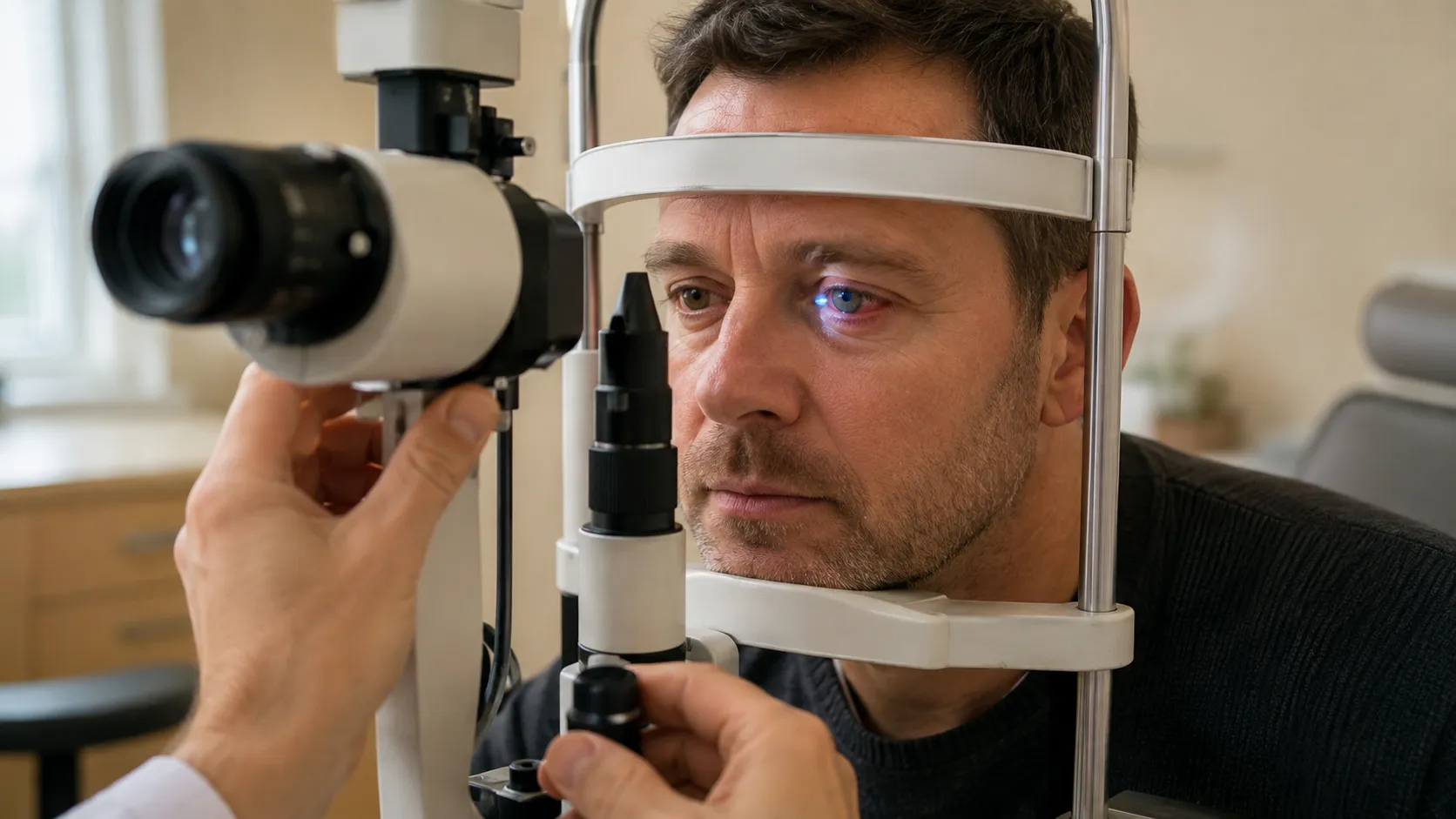
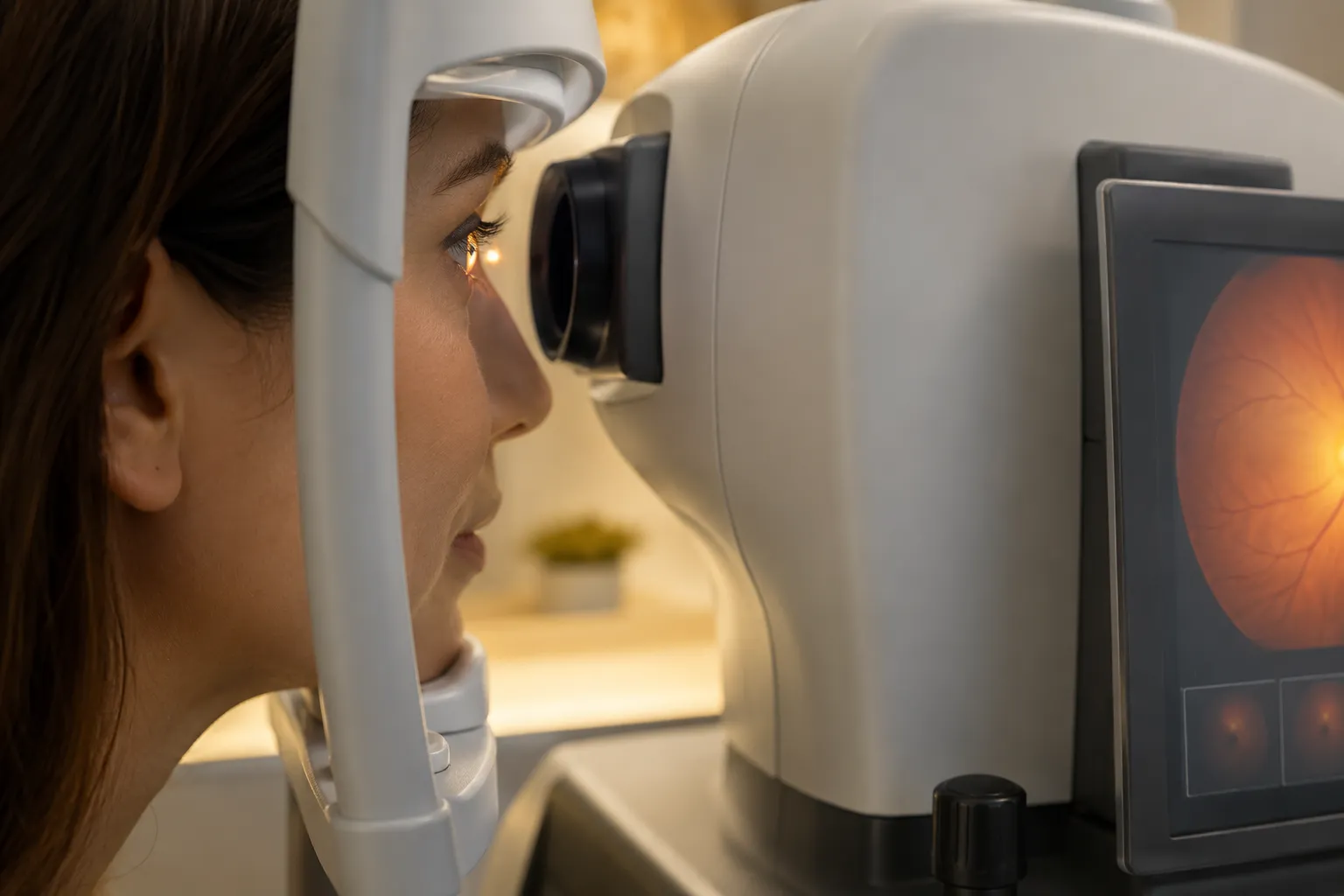
A carotenoid wellness reading is a short, simple test. Here’s what to expect:
- A handheld or table-top device is used to measure light reflected from the macula.
- You’ll be asked to look into the instrument while it records your macular pigment density.
- The test is painless, quick, and provides immediate results you can discuss with your clinician.
How MPOD Readings Help Track Visual Wellness Over Time
MPOD readings establish a baseline and let you monitor changes in macular pigment over months or years. Regular testing helps you and your provider see how diet, lifestyle, or supplements affect macular health and guides decisions about adjustments to your wellness plan.
How Supplements Like MacuHealth Can Support Visual Comfort

Targeted eye supplements such as MacuHealth are formulated to support macular pigment density and visual comfort. These products usually combine lutein, zeaxanthin, and meso‑zeaxanthin to work together in supporting retinal health and visual performance.
How MacuHealth Supports Macular Pigment Density
MacuHealth delivers a specific blend of macular carotenoids intended to raise and maintain macular pigment. Higher macular pigment can help filter blue light, reduce glare sensitivity, and improve contrast — outcomes that many studies and clinical reports associate with carotenoid supplementation.
Ongoing clinical research continues to evaluate the benefits of carotenoid supplementation for visual function.
Research involving MacuHealth supplementation
In a study tracking outcomes after a collegiate rugby season, MacuHealth was used as the supplement under investigation; the trial noted that the sponsor remained aware of supplement and placebo assignments during the study period.
Macular Pigment Carotenoid Supplementation for the Preservation of Visual Structure and Function Following a Collegiate Rugby Season, JM Stringham, 2025
Why View Supplements as Part of a Wellness Routine Instead of a Treatment
Thinking of carotenoid supplements as preventive tools emphasizes long‑term eye health. When used consistently as part of a healthy routine, supplements can support macular pigment and reduce risk factors tied to age-related changes. They’re not a cure, but they are a practical, proactive way to protect your vision alongside good diet and regular eye care.
How Carotenoid Readings Shape Personalized Visual Wellness Plans
Carotenoid readings give clear, individualized data that help clinicians tailor nutrition and supplement advice. By knowing your macular pigment levels, we can recommend realistic dietary changes or specific supplements to meet your needs and goals.
How Readings Guide Nutrition and Supplement Choices
If a reading shows low lutein or zeaxanthin, your clinician may suggest adding dark leafy greens, colorful vegetables, or a targeted supplement. Using test results to personalize recommendations helps ensure you get the nutrients most likely to benefit your macular health.
Why Regular Carotenoid Testing Adds Value
Periodic carotenoid testing helps you track progress and see whether diet or supplements are making a difference. Regular data lets you fine‑tune your plan and supports long‑term visual wellness with measurable feedback.
Where Seacoast Residents Can Get Free Carotenoid Readings
People in the Seacoast area can often receive free carotenoid readings from local eye-care practices, including Fox Run Eye Care. These no‑cost screenings are a convenient way to check your macular health and get personalized next steps.
Visual Wellness Services Available at Fox Run Eye Care
At Fox Run Eye Care, we offer comprehensive eye exams, carotenoid wellness readings, and tailored supplement recommendations. Our team focuses on proactive care and clear guidance to help you maintain the best possible vision.
- Comprehensive eye exams
- Carotenoid wellness readings
- Tailored supplement recommendations
How to Schedule and Prepare for a Carotenoid Reading at Fox Run Eye Care
Booking a carotenoid reading is simple:
- Call or message our office to set an appointment.
- We’ll let you know any short preparation steps; in some cases, we suggest avoiding certain foods or supplements beforehand so results reflect your usual status.
Common Questions Patients Ask About Carotenoid Wellness Readings
Patients commonly ask about the safety, accuracy, and role of carotenoid testing in eye care. Clear answers help build confidence and make it easier to fit testing into a broader plan for eye health.
Are Non-Invasive Carotenoid Tests Safe and Accurate?
Yes. Non-invasive carotenoid tests are safe, painless, and supported by research showing reliable measurement of macular pigment. Results offer useful clinical insight with no known adverse effects.
Can Carotenoid Readings Replace a Full Diagnostic Eye Exam?
No. Carotenoid readings are a helpful wellness tool but do not replace a comprehensive eye exam. Diagnostic exams remain essential for detecting disease and assessing overall eye health, as emphasized by the American Academy of Ophthalmology. Think of carotenoid testing as a valuable complement to regular eye care.
Frequently Asked Questions
What foods are high in carotenoids?
Carotenoids are plentiful in dark leafy greens like spinach and kale, and in colorful vegetables such as carrots, sweet potatoes, and bell peppers. Fruits like mango, apricot, and cantaloupe are also good sources. A varied diet rich in these foods helps support macular pigment and overall eye health.
How often should I have carotenoid readings?
Frequency depends on your risk factors and goals. Many people benefit from an annual check, while those with higher risk for macular changes may test more often. Your clinician can recommend a schedule tailored to you.
What are signs of low carotenoid levels?
Low macular pigment can be associated with symptoms such as increased glare sensitivity, poorer low‑light vision, or a subtle decline in visual clarity. If you notice changes in your vision, discuss testing with your eye-care provider.
Can carotenoid supplements interact with medications?
Carotenoid supplements are generally safe, but they can affect absorption of fat‑soluble nutrients or interact with some medications. Always tell your provider about medications and health conditions before starting a supplement so we can advise you safely.
Do carotenoids help prevent eye disease?
Carotenoids contribute to retinal protection by filtering blue light and reducing oxidative stress. Maintaining healthy levels through diet or supplements is associated with lower risk of age‑related macular degeneration and may help slow disease progression, though they are not a guaranteed prevention.
Are there side effects from carotenoid supplements?
Most people tolerate carotenoid supplements well. Very high doses of certain carotenoids, such as beta‑carotene, can cause carotenemia — a harmless, reversible yellowing of the skin. It’s best to follow recommended dosages and consult with your clinician if you have concerns.
Conclusion
Carotenoid readings are a practical way to monitor macular health and guide choices around diet and supplementation. Regular testing gives you and your clinician the data needed to build a personalized plan for long‑term visual wellness.
If you live in the Seacoast area, consider scheduling a free carotenoid reading to learn where your macular health stands and what steps can help protect your vision.