Glaucoma Exams: Crucial for Maintaining Optimal Eye Health

Why Glaucoma Exams Matter for Your Vision: Early Detection, Risk Factors, and Prevention
Glaucoma is a common cause of irreversible vision loss, so regular glaucoma exams are important. This article summarizes the main glaucoma types, how the optic nerve is affected, early warning signs, and recommended screening intervals so you can plan care with your provider.
What Is Glaucoma and How Does It Affect Eye Health?
Glaucoma is a group of conditions that damage the optic nerve, often related to raised intraocular pressure. Damage is usually gradual and irreversible, so early detection through comprehensive exams gives the best chance to preserve vision.
According to the World Health Organization (WHO), glaucoma is the second leading cause of blindness worldwide, affecting over 70 million people globally.
What Are the Different Types of Glaucoma?

The main types include:
- Open-Angle Glaucoma: Slow blockage or reduced efficiency of drainage channels, raising pressure over time. This type accounts for approximately 90% of glaucoma cases in the United States (American Academy of Ophthalmology (AAO)).
- Angle-Closure Glaucoma: The iris blocks drainage suddenly, causing a rapid pressure rise that needs urgent care. It is less common but can cause rapid vision loss if untreated.
- Normal-Tension Glaucoma: Optic nerve damage occurs despite normal measured pressure, often related to blood flow issues.
- Congenital Glaucoma: A rare, present-at-birth condition from abnormal eye development.
Recognizing the type helps guide monitoring and treatment decisions.
How Does Glaucoma Damage the Optic Nerve?
Elevated intraocular pressure can compress nerve fibers and reduce blood flow, causing gradual nerve cell loss and vision decline. Because early stages are often symptom-free, scheduled exams and testing are essential to detect change before significant loss occurs.
What Are the Early Signs and Symptoms of Glaucoma?
Early detection improves outcomes. Common early symptoms include:
- Gradual loss of peripheral vision
- Tunnel vision
- Halos or rings around lights
- Eye pain or sharp discomfort (more typical with acute angle-closure)
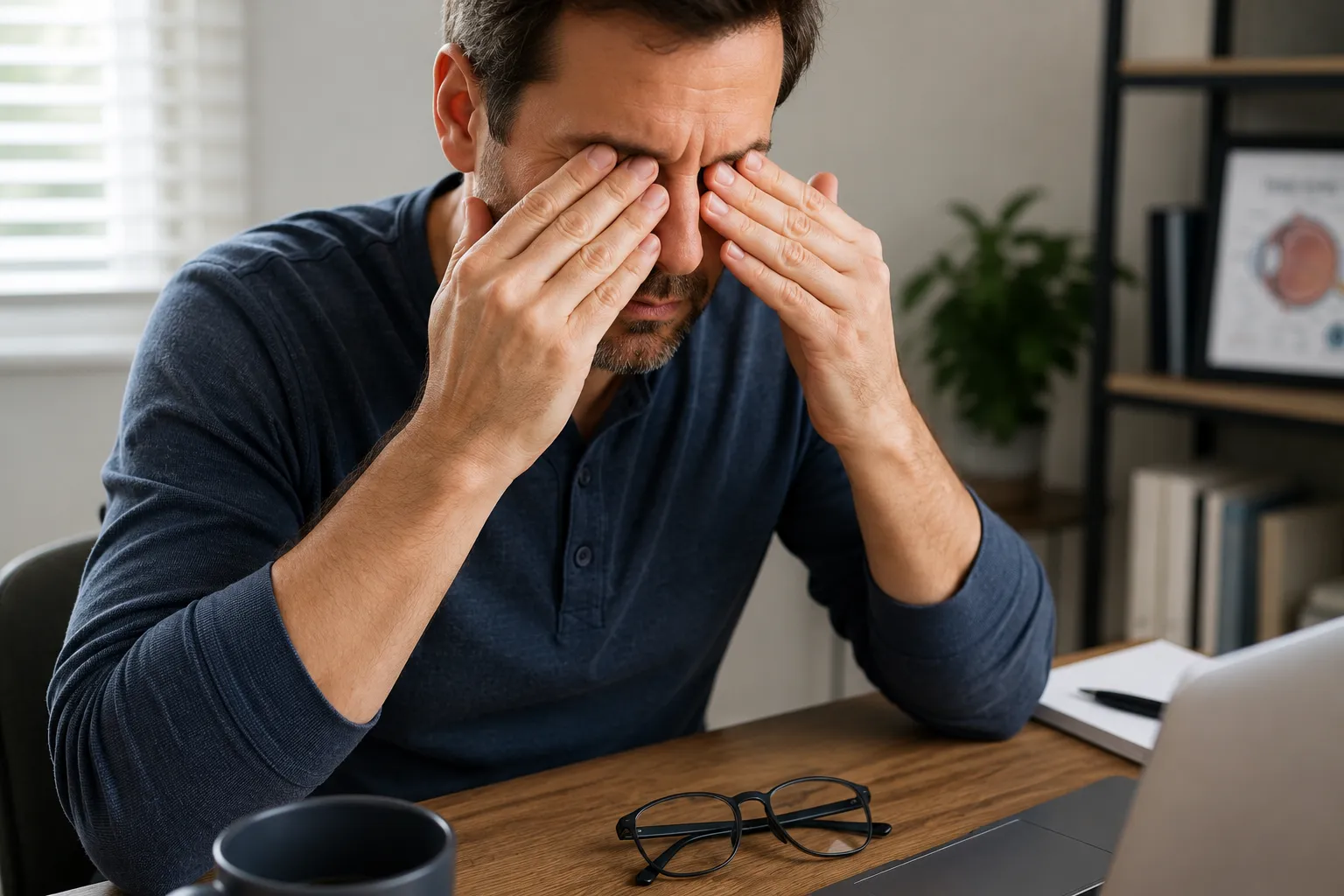
If you notice any of these, schedule an eye exam promptly.
Which Symptoms Indicate Early Glaucoma?
Early-warning signs that merit evaluation include:
- Blurred vision
- Frequent prescription changes
- Persistent eye redness
A comprehensive exam can confirm or rule out glaucoma.
How Do Advanced Glaucoma Symptoms Affect Vision?
When glaucoma advances, symptoms become more obvious and disabling:
- Marked vision loss, especially in dim light
- Severe peripheral vision loss
- Heightened light sensitivity
These later-stage effects emphasize the value of regular screening to protect remaining vision.
Why Are Regular Eye Checkups Crucial for Detecting Glaucoma?
Because symptoms can be subtle, eye exams that measure pressure, inspect the optic nerve, and test visual fields are the most reliable way to detect glaucoma early and offer treatments that slow progression.
In the Seacoast Area of New Hampshire, northern Massachusetts, and southern Maine, Fox Run Eye Care, PLLC offers comprehensive exams including glaucoma screening and follow-up care using advanced Icare Tonometry Testing.
How Do Eye Checkups Detect Glaucoma?
Common tests used during glaucoma evaluation include:
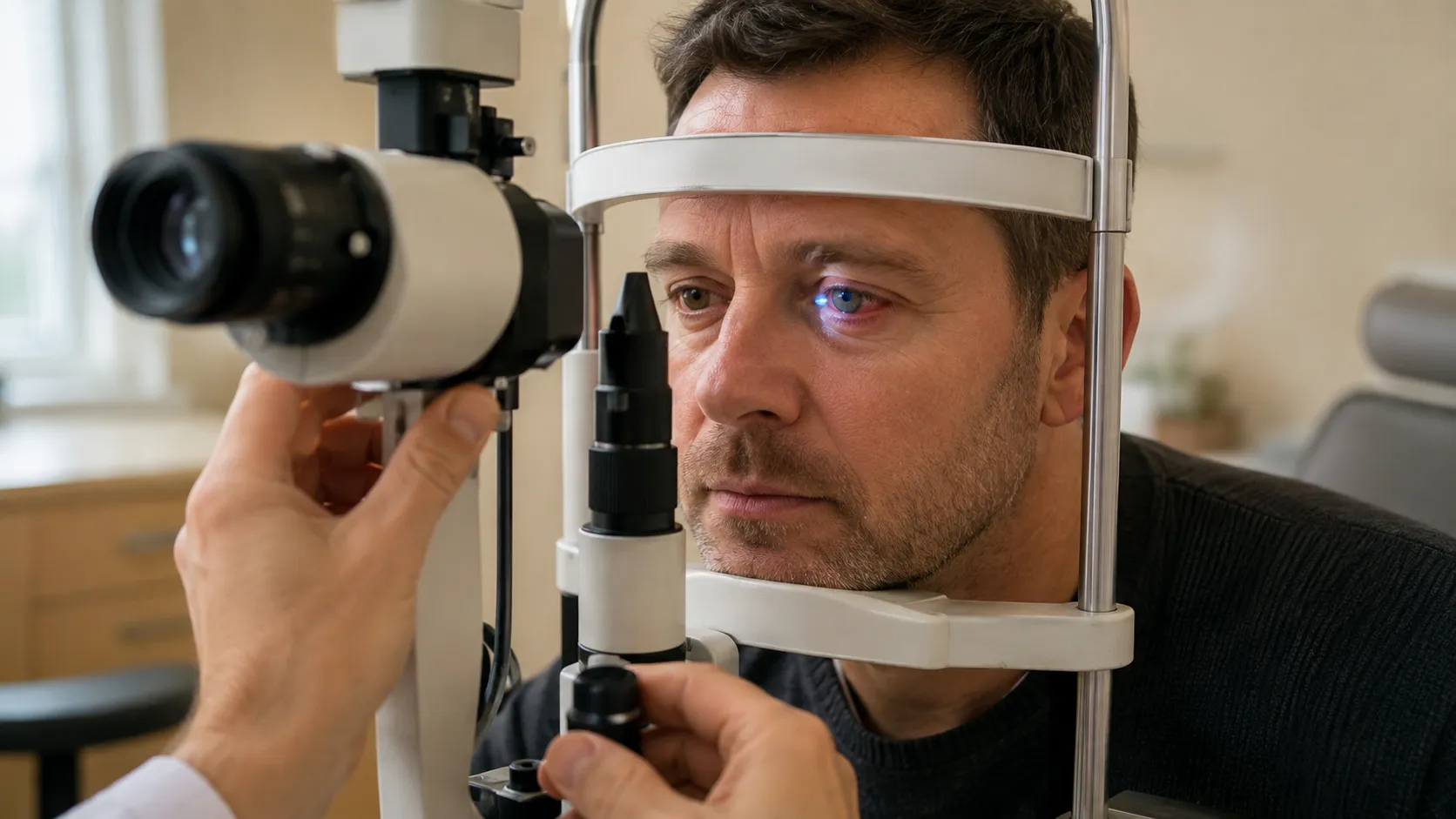
- Tonometry: Measures intraocular pressure. Normal intraocular pressure ranges from 10 to 21 mm Hg. The test typically takes less than 5 minutes and can be performed using various methods such as Goldmann applanation or non-contact tonometry. Fox Run Eye Care uses Icare Tonometry—a painless, highly accurate method without air-puff discomfort.
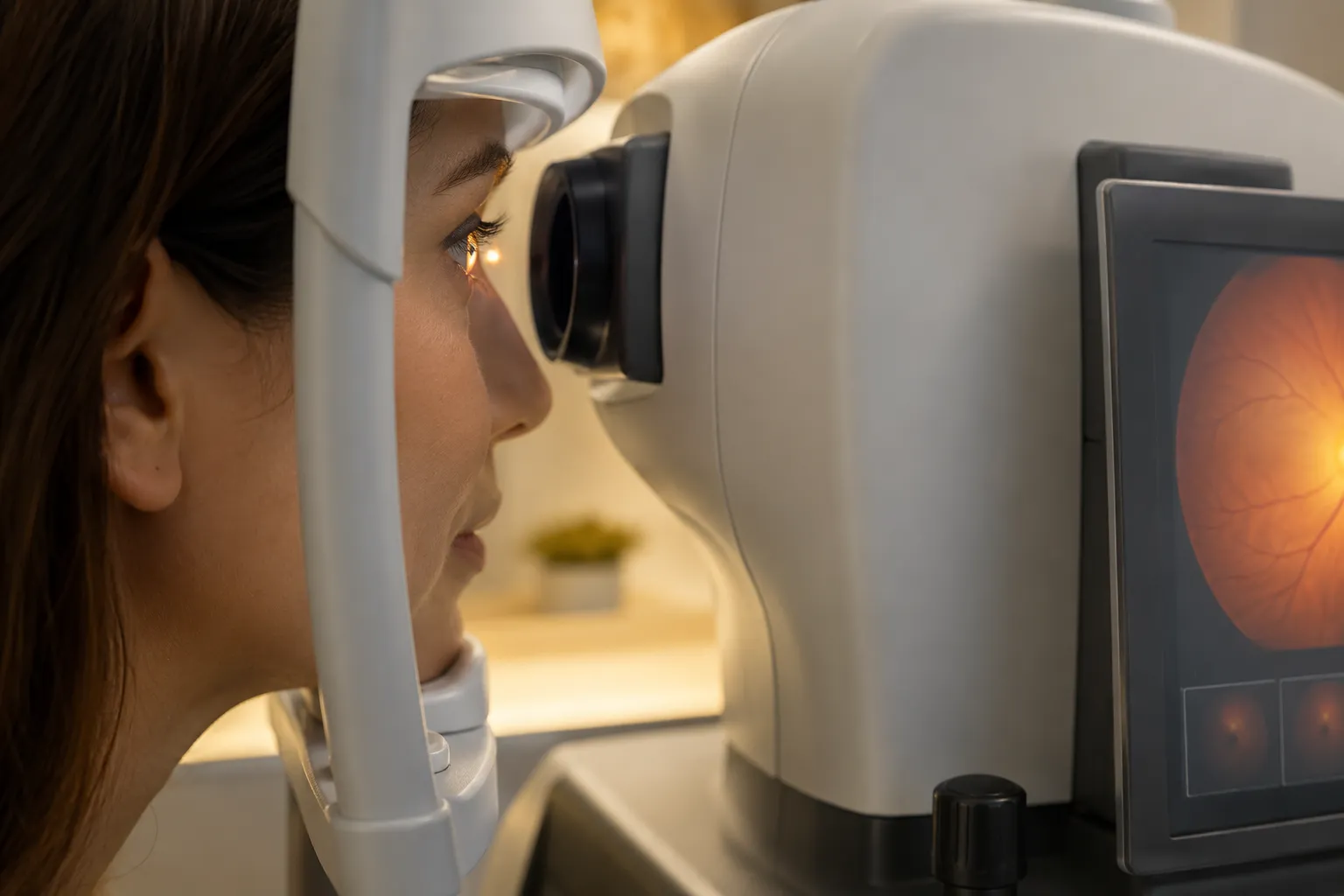
- Ophthalmoscopy: Examines the optic nerve for signs of damage, such as cupping or pallor. This exam usually takes about 10 minutes and is performed after pupil dilation to allow a clear view of the optic nerve head.
- Additional specialized testing may be recommended through referral when needed to assess peripheral vision.
Together these tests guide diagnosis and appropriate referral planning.
Advanced Testing When Needed When further evaluation is necessary, your optometrist may refer you for specialized testing such as visual field assessment to ensure appropriate evaluation and referral for comprehensive glaucoma care
What Should You Expect During a Glaucoma Eye Checkup?
A glaucoma-focused exam is straightforward and typically includes:
- Preliminary vision screening
- Pupil dilation so the clinician can view the optic nerve and retina
- Review of medical and family history
Knowing these steps can make the visit quicker and less stressful.
What to Expect Timeline: Before, During, and After Your Glaucoma Exam
- Before the Exam: Avoid wearing contact lenses and bring a list of current medications and any vision changes you have noticed.
- During the Exam: The clinician will measure your eye pressure (tonometry) and dilate your pupils for optic nerve examination (ophthalmoscopy). If additional testing is needed, you may be referred to a specialist.
- After the Exam: You may experience light sensitivity and blurred vision for a few hours due to dilation. Follow any care instructions provided and schedule follow-up appointments if necessary.
How Often Should You Get a Glaucoma Eye Checkup?
Screening frequency depends on age and risk. Typical guidelines include:
- Ages 40–54: Every 2–4 years
- Ages 55–64: Every 1–3 years
- Ages 65 and older: Every 1–2 years
Your provider may recommend more frequent exams if you have risk factors.
What Are the Recommended Checkup Intervals by Age and Risk?
General intervals by age and risk:
- Under 40: Every 5–10 years if low risk
- Ages 40–54: Every 2–4 years
- Ages 55–64: Every 1–3 years
- Ages 65 and older: Every 1–2 years
- High-risk individuals: Annual exams may be advised
Discuss the best schedule for your situation with your eye care provider.
When Is More Frequent Testing Necessary?
Closer monitoring is needed for people who:
- Have a family history of glaucoma
- Have elevated eye pressure
- Have other eye or systemic conditions (for example, diabetes or prior eye injury)
Regular follow-up helps detect changes early and coordinate appropriate care promptly.
What Are the Risk Factors for Glaucoma?
Common risk factors include:
- Age (risk rises after 40)
- Family history
- Ethnicity (some groups have higher risk for particular types)
- Medical conditions such as diabetes or hypertension
Awareness of these factors helps tailor screening and care plans.
Glaucoma Risk Assessment Checklist
- Are you over 40 years old?
- Do you have a family history of glaucoma?
- Have you been diagnosed with elevated intraocular pressure?
- Do you have diabetes, hypertension, or thyroid disorders?
- Are you of African, Hispanic, or Asian descent?
- Have you experienced frequent changes in your eyeglass prescription?
- Do you have a history of eye injury or surgery?
- Do you experience frequent eye redness or discomfort?
If you answered yes to one or more of these, discuss more frequent glaucoma screening with your eye care provider.
Ready to schedule your glaucoma screening?
Contact us to book your appointment and take the next step in protecting your vision.
How Do Age and Family History Increase Glaucoma Risk?
Age and heredity are strong predictors: the likelihood of glaucoma rises with age, and having a parent or sibling with glaucoma increases your personal risk, so more frequent exams are prudent for these individuals.
What Other Health Conditions Affect Glaucoma Risk?
Conditions that can influence risk include:
- Diabetes
- Hypertension
- Thyroid disorders
A complete medical history helps your clinician interpret test results and choose the most appropriate monitoring plan.
How Can Glaucoma Be Prevented and Managed Through Exams?
Regular exams detect pressure elevations and optic nerve changes early so treatment can begin. Treatment may include prescription eye drops. Advanced procedures such as laser therapy or surgery are managed by ophthalmology specialists through referral.
Can Lifestyle Changes Reduce Glaucoma Risk?
Healthy habits that support eye health include:
- Regular exercise
- Balanced diet rich in fruits, vegetables, and omega-3s
- Quitting smoking
These measures complement medical care but do not replace prescribed treatment.
What Treatment Options Are Available After Early Detection?

Early detection opens several effective options to slow progression:
- Prescription eye drops to lower eye pressure
- Laser therapy (e.g., selective laser trabeculoplasty) to improve drainage
- Surgery to create new drainage pathways in more advanced cases
Treatment aims to preserve current vision and prevent further optic nerve damage.
| Treatment Option | Description | Effectiveness | Typical Pressure Reduction (%) | Average Duration |
|---|---|---|---|---|
| Prescription Eye Drops | Medications designed to lower intraocular pressure | High | 20-30% | Ongoing daily use |
| Laser Therapy | Minimally invasive procedures that improve eye fluid drainage | Moderate to High | 20-25% | 6 months to 2 years |
| Surgery | Operative approaches that create new drainage pathways | High | 30-50% | Long-term |
In addition to glaucoma care, other vision needs may be addressed. For children with progressive nearsightedness, options like Essilor Stellest lenses may help.
If you need help seeing both near and far, progressive glasses can offer a single convenient solution.
Fox Run Eye Care provides comprehensive glaucoma screening and monitoring. Advanced treatments including laser therapy and surgery are coordinated through referral to ophthalmology specialists.
Calculate Your Glaucoma Risk
Use this simple interactive checklist to estimate your risk level for glaucoma. Answer the questions below and discuss your results with your eye care provider.
Calculate Risk
- Are you over 40 years old?
- Do you have a family history of glaucoma?
- Have you been diagnosed with elevated eye pressure?
- Do you have diabetes or hypertension?
- Are you of African, Hispanic, or Asian descent?
Patient Case Studies
Case Study 1: Early Detection Saves Vision
Jane, a 52-year-old woman with a family history of glaucoma, attended a routine eye exam. Tonometry revealed elevated intraocular pressure of 24 mm Hg, and a comprehensive examination revealed early peripheral vision changes, and she was referred for advanced testing which confirmed early glaucoma. Prompt treatment with prescription eye drops stabilized her condition, preventing further vision loss over 5 years.
Case Study 2: Acute Angle-Closure Glaucoma Emergency
Mark, a 60-year-old man, experienced sudden eye pain, halos around lights, and blurred vision. He sought emergency care where angle-closure glaucoma was diagnosed. Immediate laser therapy relieved pressure (managed by an ophthalmology emergency specialist), preserving his vision. This case highlights the importance of recognizing acute symptoms and seeking urgent care.
Case Study 3: Managing Normal-Tension Glaucoma
Linda, a 68-year-old woman, had normal intraocular pressure readings but progressive optic nerve damage detected through specialist evaluation during routine exams. She was diagnosed with normal-tension glaucoma and managed with lifestyle changes and medication, maintaining stable vision for several years.
Visual Progression Diagrams
This diagram illustrates how glaucoma typically progresses from normal vision to early peripheral vision loss and eventually to advanced tunnel vision if untreated.
Frequently Asked Questions
What are the long-term effects of untreated glaucoma?
Untreated glaucoma can cause permanent vision loss and blindness, often leaving only a small central field of vision (tunnel vision) in advanced stages. Regular exams help prevent these outcomes.
How does family history influence glaucoma risk?
If a parent or sibling has glaucoma, your risk is higher, so more frequent screening is usually recommended.
Can glaucoma be managed without surgery?
Many cases are managed with prescription drops and, when appropriate, laser treatments. Surgery is reserved for cases that do not respond to less invasive therapies.
What lifestyle changes can help reduce the risk of glaucoma?
Regular aerobic exercise, a balanced diet, quitting smoking, and controlling chronic conditions like diabetes and high blood pressure support overall eye health.
Are there specific tests for diagnosing glaucoma?
Yes. Common tests include tonometry, ophthalmoscopy, and additional specialized testing through referral, which together inform diagnosis and treatment.
What should I do if I experience symptoms of glaucoma?
If you notice blurred vision, halos, or peripheral vision loss, contact an eye care professional promptly for evaluation and possible treatment.
How can I prepare for a glaucoma eye exam?
Bring a list of medications (including eye drops) and be ready to discuss your medical and family history. Note any vision changes to share with your clinician.
Conclusion
Regular glaucoma exams are a key step in protecting vision. Understand your risks, watch for early signs, and follow a screening schedule recommended by your eye care professional to ensure timely detection and personalized care.
About the Author
Dr. Amy Catalano Boyer, Founder, Fox Run Eye Care, PLLC | Indiana University Bloomington
Dr. Amy Catalano Boyer is a licensed optometrist with over 25 years of experience serving New Hampshire’s Seacoast communities. Optometrist Dr. Amy Catalano Boyer founded Fox Run Eye Care to provide personalized, comprehensive vision care with advanced technology and a patient-centered approach.
Under her leadership, the clinical team includes Dr. Susan Gallant-Behan, and together they provide thorough, compassionate care for individuals and families at every stage of life.