
Dry Eye Symptoms, Causes & Treatment Options
If your eyes feel dry, gritty, or tired by mid-morning, you already know how much that disruption adds up over a full day. Getting proper care for dry eyes sooner rather than later can prevent months of unnecessary discomfort and protect your long-term vision health. Dry eye symptoms are one of the most common complaints optometrists hear from patients in Portsmouth, Newington, Exeter, Rye, and Dover, and they are rarely the result of one single cause. Understanding what is driving your symptoms is the first step toward real, lasting relief.
What Are Dry Eye Symptoms?
Dry eye symptoms can range from mildly annoying to genuinely disruptive, and they often get worse throughout the day or in specific environments. The most frequently reported dry eye symptoms include:
- A stinging, burning, or scratchy sensation in the eyes
- Redness or irritation that lingers even after resting
- Blurred or fluctuating vision, especially after reading or screen use
- Eyes that feel tired or heavy well before the day is done
- A sensation of something being stuck in the eye
- Difficulty wearing contact lenses comfortably through a full day
- Watery eyes that seem contradictory but are actually a dry eye response
That last point surprises many patients. Watery eyes and dry eyes can coexist because when the eye surface is not properly lubricated, the lacrimal glands respond by flooding the eye with a lower-quality tear overflow. It does not solve the underlying problem.
What Causes Dry Eyes in Adults?
Dry eye is not one condition, it is a category of conditions that all affect the tear film covering your eye surface. The tear film has three layers, and when any one of them is disrupted, symptoms follow. The most common dry eye causes include:
Screen Time and Reduced Blinking
When you focus on a screen, your blink rate drops significantly. Blinking is what spreads tears evenly across your eyes. Extended screen time, which is common for remote workers and students across the Seacoast region, is one of the leading contributors to dry eye symptoms in adults under 60.
Meibomian Gland Dysfunction
The meibomian glands along your eyelid margins produce the oily layer of the tear film that prevents evaporation. When these glands become blocked or inflamed, tears evaporate too quickly, leaving the eye surface exposed. This type is called evaporative dry eye and it accounts for the majority of chronic cases.
Hormonal Changes
Hormonal shifts associated with menopause, pregnancy, and certain medications can significantly reduce tear production. Many women in their 40s and 50s in Portsmouth and the surrounding Seacoast area first notice dry eye symptoms during this time, often attributing them to screen use or aging without realizing hormones are a major factor.
Medications That Reduce Tear Production
Antihistamines are among the most common medication-related causes of dry eye, and they are widely used for seasonal allergies throughout New Hampshire. Antidepressants, blood pressure medications, decongestants, and certain birth control formulations can also contribute.
Environmental Factors
Low humidity, wind, and indoor heating all accelerate tear evaporation. New Hampshire winters are a reliable trigger for patients in Hampton, Stratham, and North Hampton who notice their symptoms worsen between November and March. Air conditioning in summer can produce the same effect.
Contact Lens Wear
Contact lenses sit on the tear film and compete with the eye surface for moisture. Patients who already have borderline tear production often notice their lenses become uncomfortable by early afternoon. This is frequently the moment that prompts a search for answers.
Why Dry Eye Symptoms Deserve Attention
Dry eye is classified as a chronic condition, which means it does not resolve on its own without addressing the underlying cause. The American Academy of Ophthalmology (AAO) notes that untreated dry eye can lead to inflammation of the eye surface, increased risk of infection, and in severe cases, corneal damage over time. Over-the-counter artificial tears can provide temporary comfort, but they do not address what is causing the tear film to break down in the first place.
Patients in Exeter, Dover, and Rye who come to Fox Run Eye Care with persistent dry eye symptoms often describe months of cycling through different drop brands without lasting improvement. A proper clinical evaluation identifies whether the problem is inadequate tear production, poor tear quality, or eyelid gland dysfunction, and each requires a different approach.
Dry Eye Relief: What Actually Works
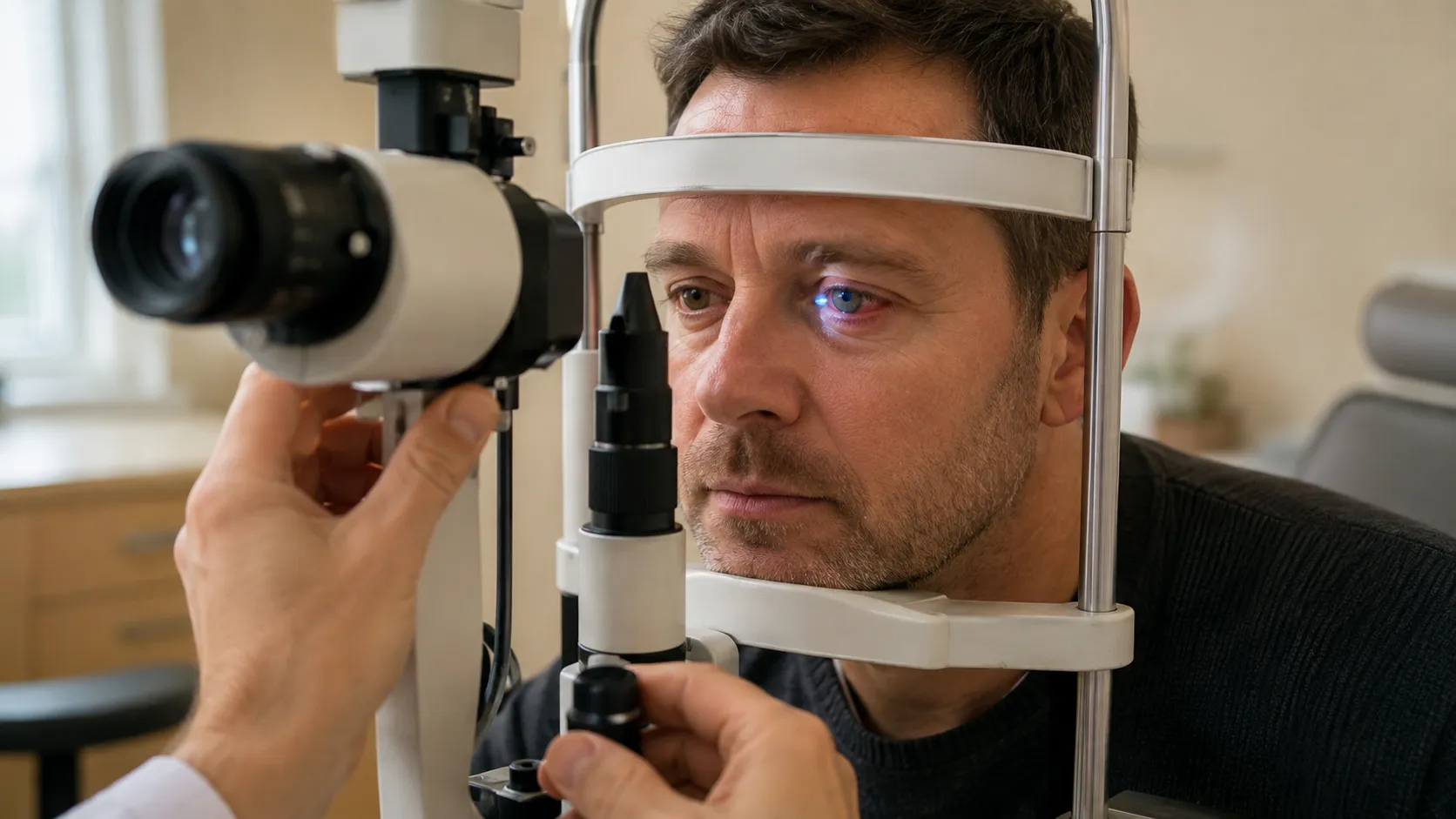
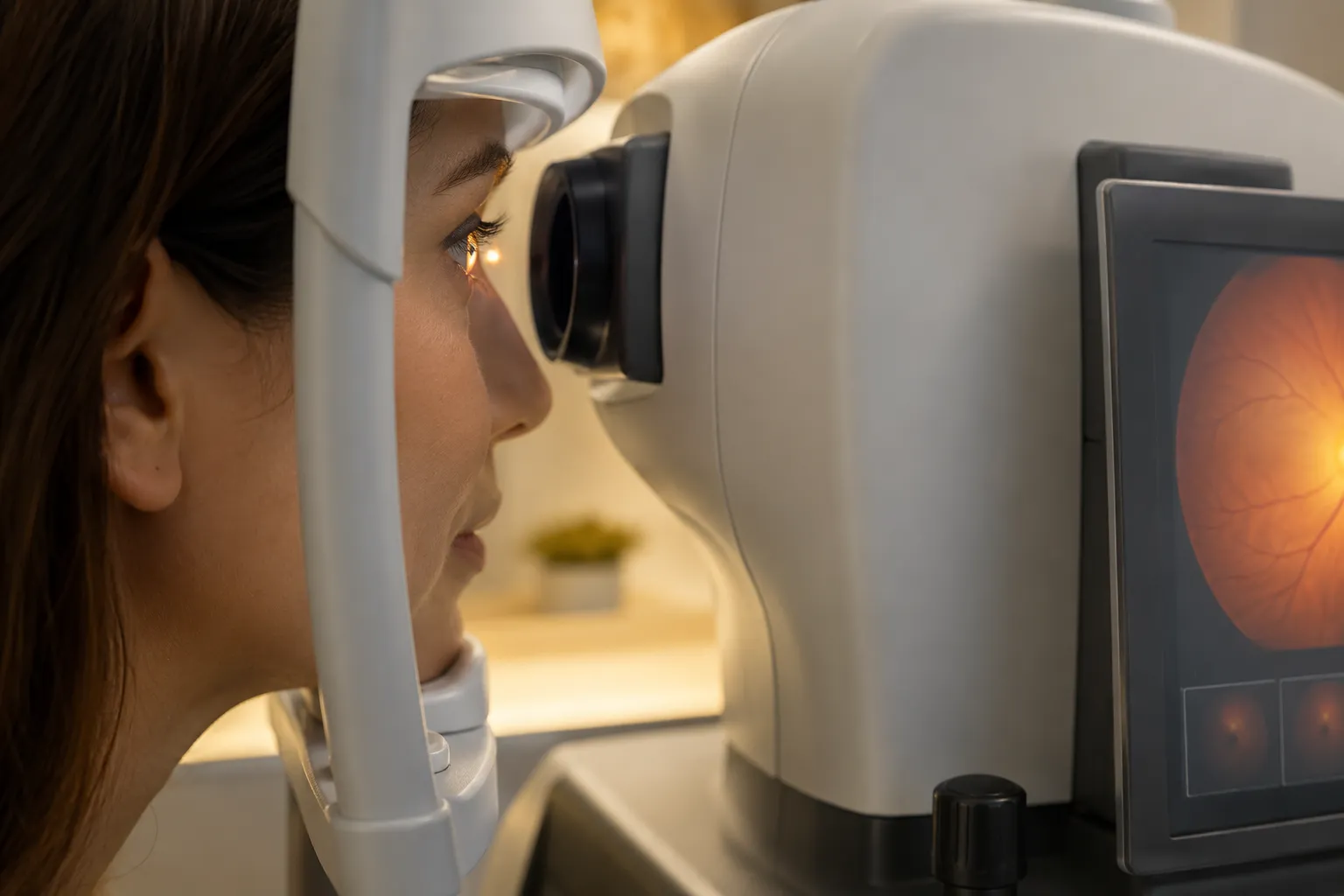
Relief depends on what is causing the problem. A dry eye evaluation at Fox Run Eye Care includes an assessment of your tear film quality, meibomian gland function, and overall eye surface health. Based on those findings, Dr. Amy Catalano Boyer and Dr. Susan Gallant-Behan build a care plan specific to what they find, not a generic protocol.
Prescription Eye Drops
Medications such as Cequa, Restasis, andXiidra reduce inflammation on the eye surface, helping restore the conditions your tear glands need to function properly. These are different from lubricating drops and work best when chronic inflammation is driving the problem.
Warm Compresses and Lid Hygiene
For meibomian gland dysfunction, consistent warm compress therapy can soften blocked glands and improve the oily layer of the tear film. This is one of the most effective at-home interventions when done correctly and consistently.
Punctal Plugs
Tiny silicone plugs inserted into the tear drainage opening of the eyelid slow the rate at which tears drain away, giving the eye surface more contact time with its natural tears. The procedure is brief, comfortable, and reversible.
Professional-Grade Supplements
Omega-3 fatty acids in triglyceride form support meibomian gland function and reduce tear film inflammation from the inside. Fox Run Eye Care carries MacuHealth TG Omega-3 Fish Oil, which is significantly more bioavailable than drugstore alternatives.
Lifestyle Adjustments
The 20-20-20 rule, increasing indoor humidity, reducing antihistamine use when possible, and positioning screens below eye level all contribute meaningfully to symptom management. These work best in combination with clinical care, not as a substitute for it.
Common Questions About Dry Eye Symptoms
Can dry eye go away on its own?
In mild cases triggered by a temporary cause, like a dry flight or a week of heavy screen use, symptoms may resolve with rest and artificial tears. Chronic dry eye, however, is a condition that requires management. Most patients who have struggled with symptoms for months or years will not see lasting improvement without identifying and addressing the root cause.
Are artificial tears enough to manage dry eye?
Artificial tears provide temporary relief by supplementing moisture on the eye surface. They are a useful part of a management plan, but they do not address gland dysfunction, inflammation, or the tear film’s oil layer. Patients who find themselves using drops six or more times per day are typically dealing with something that warrants a clinical evaluation.
How do I know if my symptoms are dry eye or allergies?
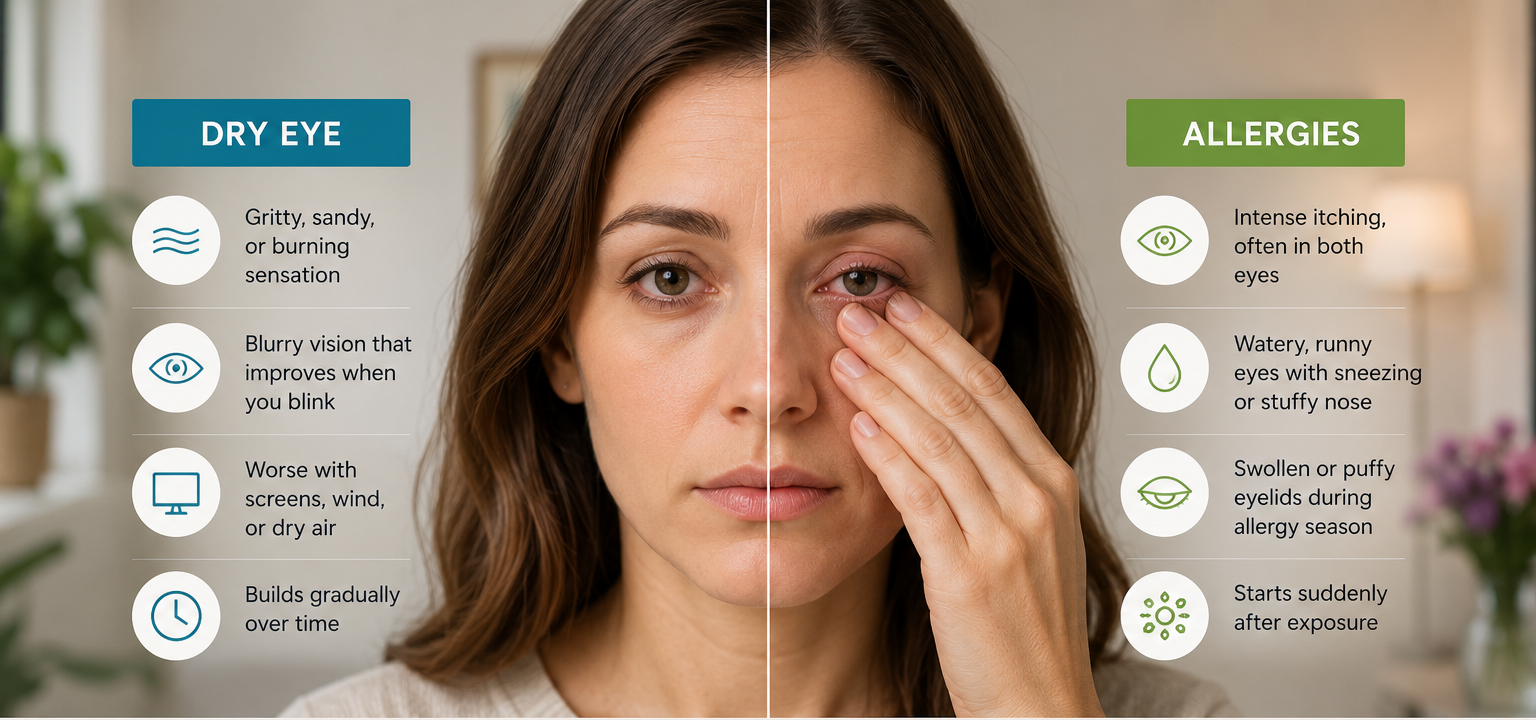
The symptoms overlap significantly, which makes it difficult to self-diagnose. Allergy-related eye symptoms typically involve itching, redness, and puffiness and often coincide with pollen season. Dry eye symptoms tend to be more consistent throughout the year and worsen with screen use, wind, or low humidity. Importantly, antihistamines used for allergies often worsen dry eye by reducing tear production. A comprehensive exam is the most reliable way to separate the two.
Finding Dry Eye Relief Near Portsmouth, NH
Dry eye symptoms are not something you simply adjust to over time. The stinging, the blurred afternoons, the contact lenses you can no longer wear past noon, all of it has an explanation and most of it has an effective solution. Patients from Portsmouth, Newington, Stratham, Hampton, and across the NH Seacoast come to Fox Run Eye Care because they want a clear answer, not a list of drops to try at home.
Dr. Amy Catalano Boyer and Dr. Susan Gallant-Behan work together to evaluate the full picture of your eye health, identify what is specifically driving your dry eye symptoms, and build a care plan grounded in what they actually find. That kind of individualized attention is what separates a genuine solution from another temporary fix.
When you are ready to stop managing symptoms and start understanding them, book your appointment at Fox Run Eye Care and get a clearer picture of what your eyes actually need.
About Dr. Amy Catalano Boyer
Dr. Amy Catalano Boyer is the founder and owner of Fox Run Eye Care, an independent optometry and optical practice located near Portsmouth, Greenland, NH. With over 25 years of experience in optometry, she earned her Doctor of Optometry degree from Indiana University Bloomington and spent more than two decades serving Seacoast patients before opening her own dedicated practice. Dr. Amy Catalano Boyer is known for her thorough, personalized approach to eye care and her commitment to building lasting relationships with patients of all ages. Her practice brings together comprehensive optometry and certified optical services under one roof, giving patients a complete, coordinated care experience from exam to eyewear.