Vision Test Options Near Me: What You Need to Know
Vision Test Options Near Me: What You Need to Know for Comprehensive Eye Care
Keeping up with regular vision tests protects your eye health and helps you see your best. These exams catch early signs of conditions like glaucoma and diabetic retinopathy so treatment can start sooner. Below we’ll walk through common vision test options available near you, explain what happens during a comprehensive eye exam, highlight the technologies that improve accuracy and comfort, and show how eye wellness supports testing. You’ll also find guidance on booking an exam and why many Seacoast residents choose comprehensive eye exams at Fox Run Eye Care, led by experienced optometrist Dr. Amy Catalano Boyer.
What Is Included in a Comprehensive Eye Exam Near Me?
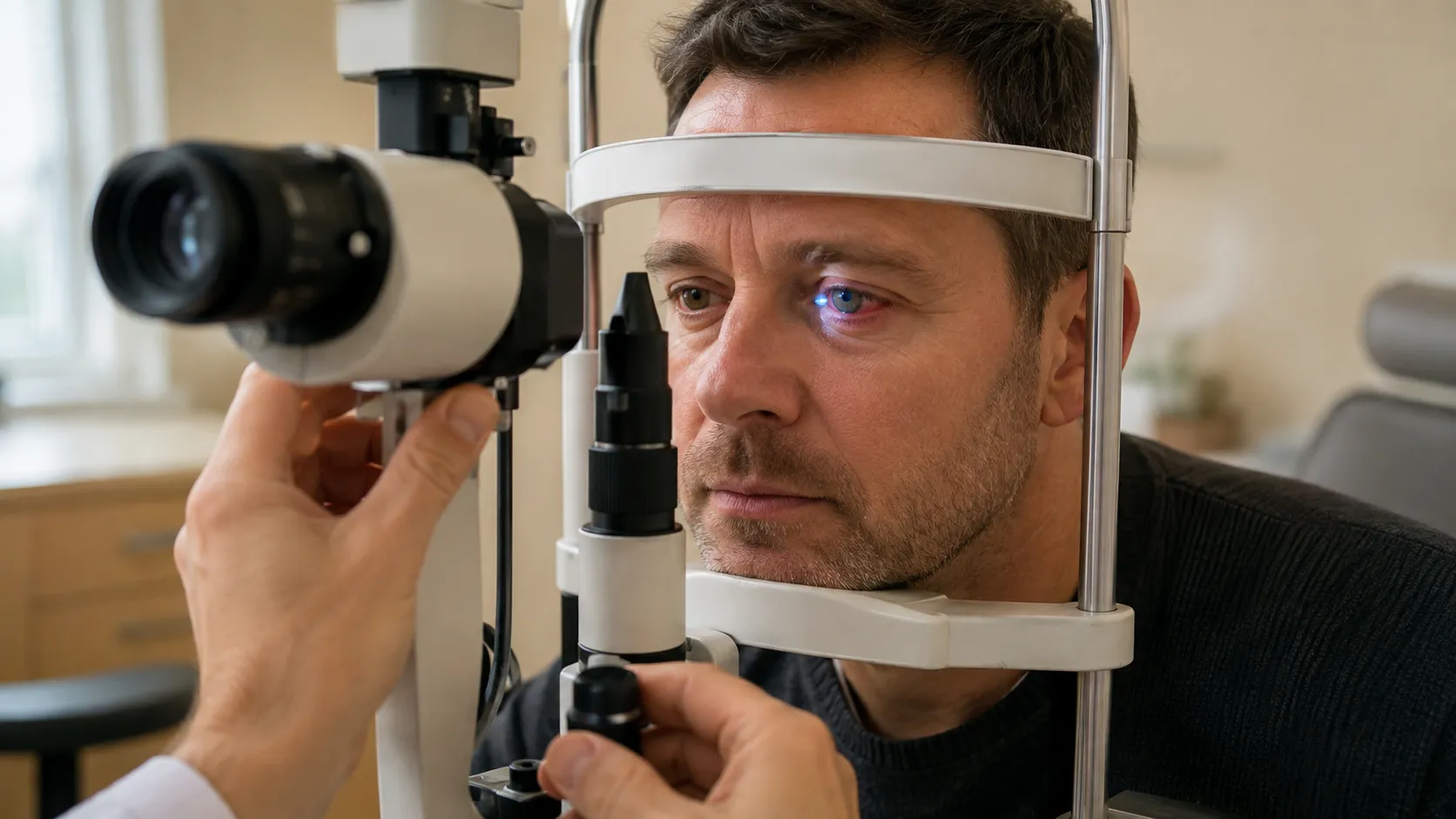
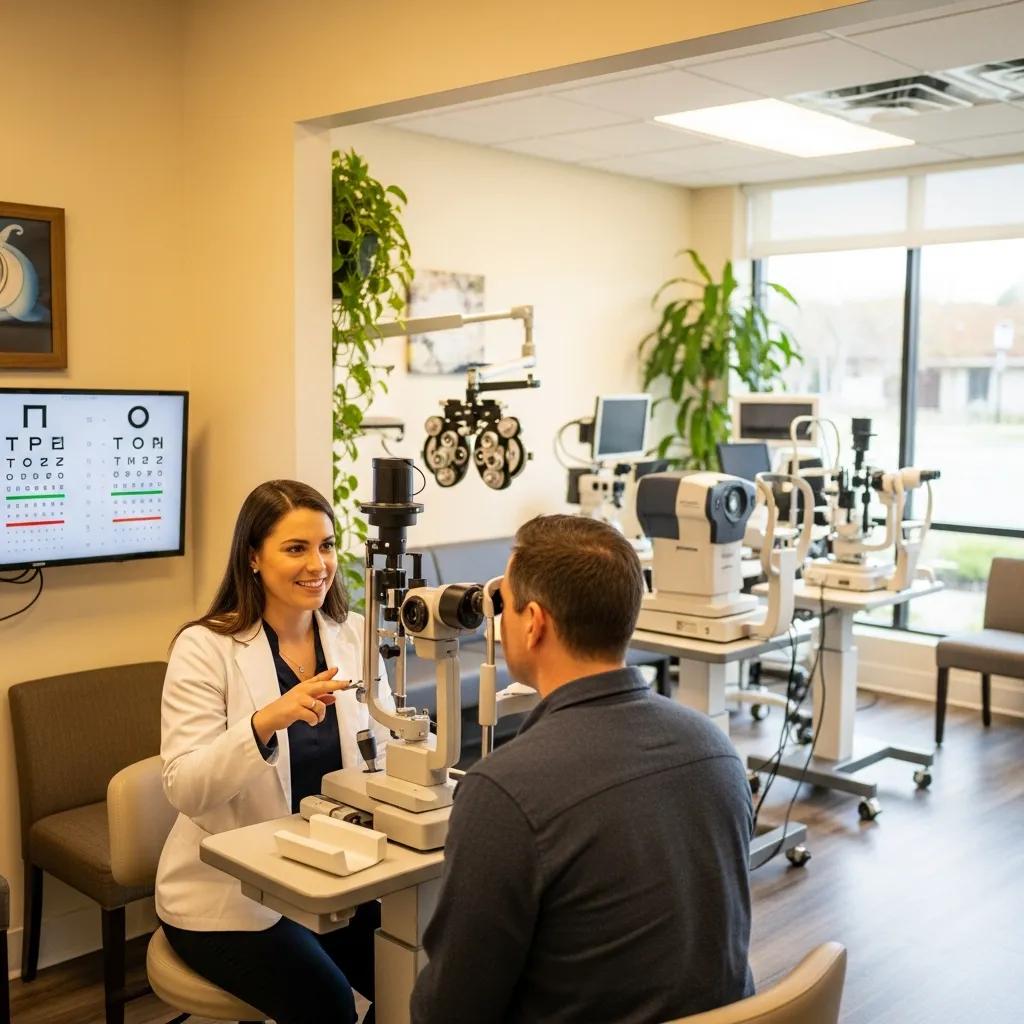
A comprehensive eye exam bundles several tests that evaluate both how well you see and the health of your eyes. These visits confirm or update prescriptions for glasses or contacts and screen for eye disease. During the exam, your clinician—often Dr. Amy Catalano Boyer herself—checks visual acuity, evaluates refractive error, and inspects internal and external eye structures with diagnostic equipment, ensuring a thorough assessment.
What to Expect During a Full Eye Health Checkup
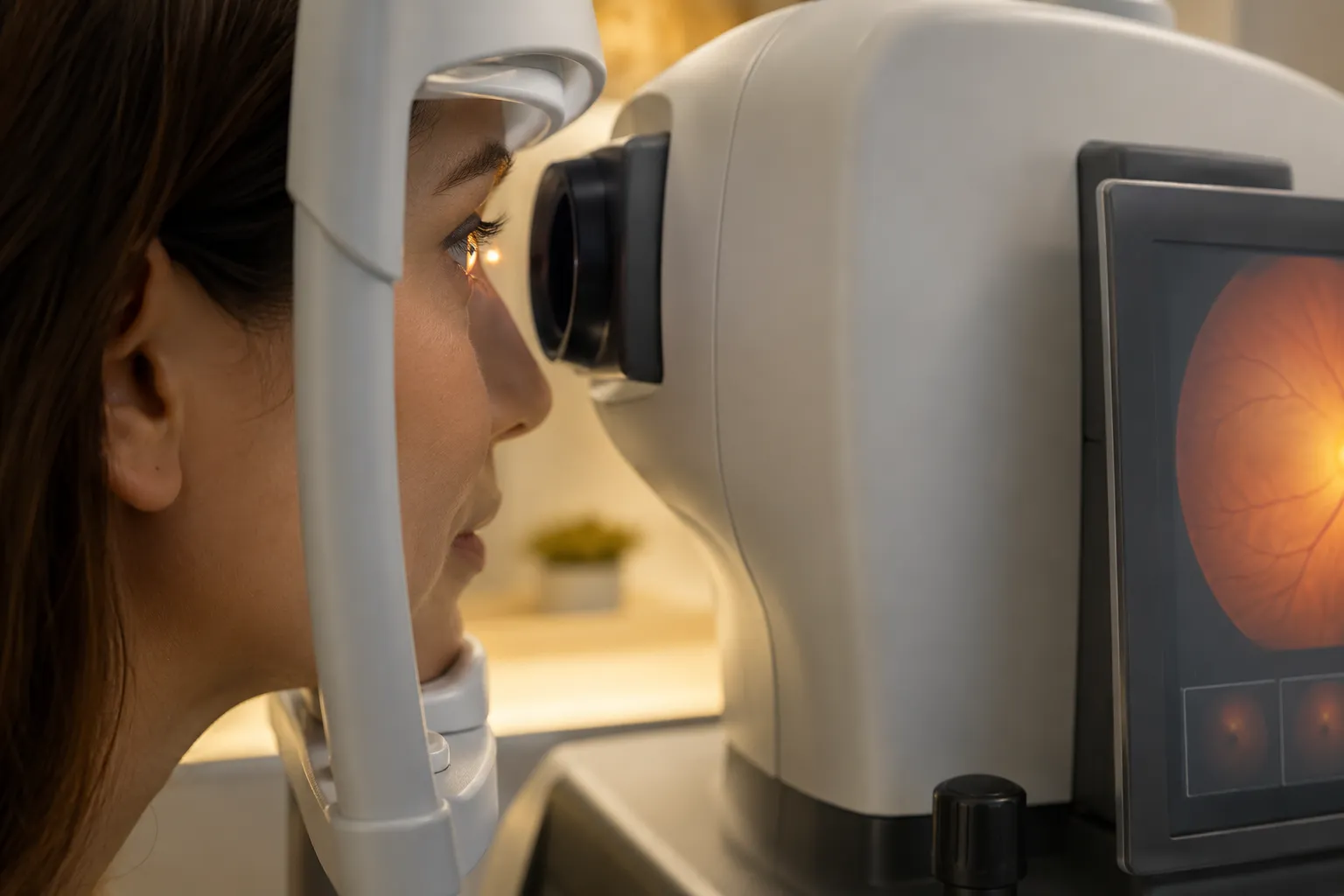
A full eye health checkup starts with a brief history and discussion of any vision changes or health concerns. We’ll review medications and health conditions that affect vision, then measure how clearly you see at different distances. Under Dr. Boyer’s expert guidance, we may use advanced tools like digital retinal imaging and other diagnostic tools to get a close look at the retina and optic nerve—helping us spot issues early when they’re easiest to treat.
How Advanced Technology Enhances Vision Testing

Modern tools make exams faster, more accurate, and more comfortable. Wide-field retinal imaging systems like Optomap provide an expanded view of the retina to help detect abnormalities that aren’t visible with a basic exam. The Icare tonometer measures intraocular pressure quickly and without numbing drops for many patients. Dr. Boyer and her team leverage these technologies to enhance diagnosis while improving the patient experience during routine care, reflecting her commitment to modern eye health solutions.
Which Types of Vision Tests Are Available Locally?
Local practices typically offer a mix of routine and specialized vision testing. From annual wellness exams to condition-specific screenings, understanding the options helps you choose the right visit for your needs.
How Do Pediatric and Diabetic Eye Exams Differ?
Pediatric exams focus on how a child’s vision is developing—testing skills like tracking, focusing, and binocular vision. Providers screen for amblyopia (lazy eye) and strabismus (eye alignment issues) that can affect learning. Diabetic eye screenings are tailored to people with diabetes; they often include a dilated retinal exam or retinal imaging to look for diabetic retinopathy and other changes caused by diabetes, with Dr. Boyer providing expert oversight for these critical screenings.
What Are Specialized Tests Like Glaucoma Screening and Contact Lens Fittings?
Specialized testing targets particular risks or needs. For instance, Dr. Amy Catalano Boyer brings extensive expertise to glaucoma screening, which typically includes precise intraocular pressure checks and a detailed optic nerve assessment to identify early damage. Her meticulous approach ensures that conditions like glaucoma are detected and managed proactively. Similarly, contact lens fittings evaluate the curvature and health of your eye, ensuring lenses fit comfortably and correct your vision properly. Both services, delivered with Dr. Boyer’s high standards, play an important role in preserving vision and comfort.
Research outlines the diagnostic schedule commonly used to detect and monitor glaucoma progression.
Glaucoma Detection: Visual Field Tests, Tonometry & Optic Disc Photography
Study visits included Humphrey Full Threshold 30-2 visual field tests and tonometry every three months, with optic disc photography every six months.
Reduction of intraocular pressure and glaucoma progression: results from the Early Manifest Glaucoma Trial, 2002
How Can Eye Wellness Support Complement Vision Tests?
Eye wellness habits and targeted supplements can strengthen the results of regular testing by supporting retinal and macular health. Combining clinical care with wellness measures gives you a proactive approach to long-term vision.
What Role Do MacuHealth Supplements Play in Eye Health?

MacuHealth supplies key carotenoids—like lutein and zeaxanthin—that support macular health and visual performance. These nutrients help filter some blue light and support retinal function, which can be a helpful complement to routine exams and clinical care, especially as we age.
How Do Carotenoid Wellness Readings Track Eye Wellness Trends?
Carotenoid wellness readings measure the pigment levels in your macula and offer a snapshot of dietary and nutrient status related to eye health. Tracking these readings over time can help you and your clinician, like Dr. Boyer, make informed choices about diet, supplements, and lifestyle to support better long-term vision outcomes, offering a truly personalized approach to eye wellness.
Where and How Can I Book an Eye Exam Near Me?
Booking an eye exam is easy. Many practices provide online scheduling, phone booking, or walk-in options so you can pick a time that fits your schedule.
How to Find a Trusted Eye Doctor in the Seacoast NH Region
When seeking a trusted eye doctor in the Seacoast NH region, look for providers with strong patient reviews, clear credentials, and a focus on the services you need. Dr. Amy Catalano Boyer exemplifies these qualities, with her extensive experience and dedication to patient care. Ask friends or family for recommendations, check provider bios for experience, and confirm licenses and board certifications to ensure you’re in capable hands, like those at Fox Run Eye Care. For more information on eye health and professional standards, you can also visit the American Academy of Ophthalmology.
What Are the Options for Online Scheduling and Insurance Coverage?
Fox Run Eye Care and many local practices offer online booking to simplify appointments. Before you arrive, verify which insurance plans are accepted and whether your visit requires a referral or has co-pays. Being prepared helps avoid surprises and keeps your visit focused on care.
Why Choose Fox Run Eye Care for Your Vision Testing Needs?
At Fox Run Eye Care, Dr. Amy Catalano Boyer leads a team that combines personalized attention with modern diagnostic tools, ensuring each patient receives the right care. Her philosophy prioritizes clear communication, patient comfort, and careful follow-up to help you protect your vision effectively.
What Makes Fox Run Eye Care’s Approach Unique and Comfortable?
Dr. Boyer’s patient-centered approach means we take time to listen and tailor care to your goals—whether that’s the sharpest vision, long-term eye health, or comfortable contact lens wear. Our office is designed to be welcoming, and our staff, under her guidance, works to make every visit straightforward and stress-free.
How Does Fox Run Eye Care Use Advanced Diagnostic Tools?
Dr. Boyer ensures we use up-to-date diagnostic equipment—like wide-field digital retinal imaging and modern tonometry—to capture detailed information about your eyes. These advanced tools, combined with her diagnostic acumen, help us diagnose issues earlier and create treatment plans that aim for the best possible outcomes.
The table above summarizes common vision tests, their purpose, suggested frequency, and who typically needs them. Regular exams are one of the best ways to protect sight and catch problems early.
Vision testing is an essential part of maintaining healthy sight. By choosing the right exams, using available technology, and supporting eye wellness, you can stay proactive about your vision. If you’re looking for careful, community-focused care, Dr. Amy Catalano Boyer and the team at Fox Run Eye Care are ready to help with comprehensive testing and personalized follow-up, ensuring you receive expert attention.
Frequently Asked Questions
What should I bring to my eye exam appointment?
Bring your current glasses or contact lenses, a list of medications, any relevant medical or eye records, and your insurance card. Having this information helps your clinician evaluate your vision and health history accurately.
How often should I have my eyes examined?
For most adults, a comprehensive exam every one to two years is recommended. Children typically need annual exams, and people with diabetes or a family history of eye disease may need more frequent visits. Your provider will recommend a schedule based on your individual risk.
What are the signs that I need to see an eye doctor?
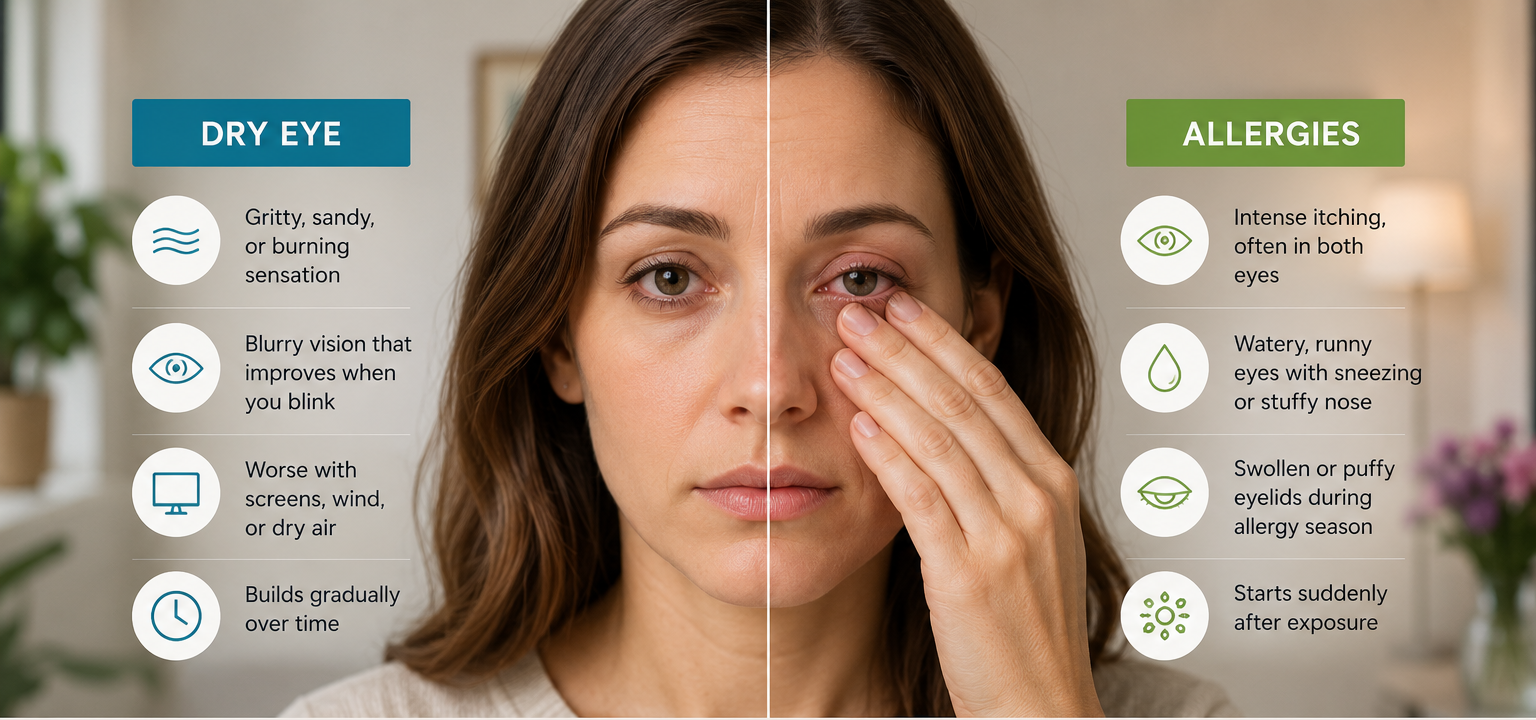
See an eye doctor if you notice blurred or double vision, sudden changes in sight, frequent headaches, difficulty with night driving, eye pain, redness, or excessive tearing. Early evaluation can prevent or limit vision loss.
Are vision tests covered by insurance?
Coverage varies by plan. Many insurance policies cover routine eye exams or provide partial coverage. Check your plan details or call your insurer to confirm benefits for routine and specialized testing to avoid unexpected costs.
What should I expect after my eye exam?
Your clinician will review the results, explain any prescription changes, and recommend follow-up care or treatments if needed. If your pupils were dilated, expect temporary light sensitivity and blurred near vision—plan to bring sunglasses and avoid driving if instructed.
Can I get my prescription filled at any optical store?
Yes—most licensed optical stores can fill eyeglass or contact lens prescriptions. Make sure your prescription is current, and choose a retailer that offers proper fitting and adjustment services for the best results.
Conclusion
Regular vision tests, paired with smart wellness choices and the right technology, help protect your sight for years to come. Prioritize regular exams, follow recommended screening schedules, and reach out to Dr. Amy Catalano Boyer and the dedicated team at Fox Run Eye Care for compassionate, thorough eye care tailored to your needs, backed by extensive expertise.