
Most people book a yearly eye exam with retinal imaging when their eyes feel fine, and a different kind of visit when something feels wrong. That second kind of appointment is often called a medical eye exam, and its purpose is different from a routine checkup. Knowing how a routine vs. medical eye exam differs helps you describe your concern clearly and get the visit that fits what is actually going on.
What a Routine Eye Exam Is For
A routine eye exam is a scheduled checkup when you have no specific complaint. Its job is to keep your prescription current and to look for problems you cannot feel yet.
At Fox Run Eye Care, a routine visit typically covers:
How clearly you see at distance and up close
Refraction to confirm or update your glasses or contact lens prescription
An eye pressure check with an Icare tonometer, with no air puff
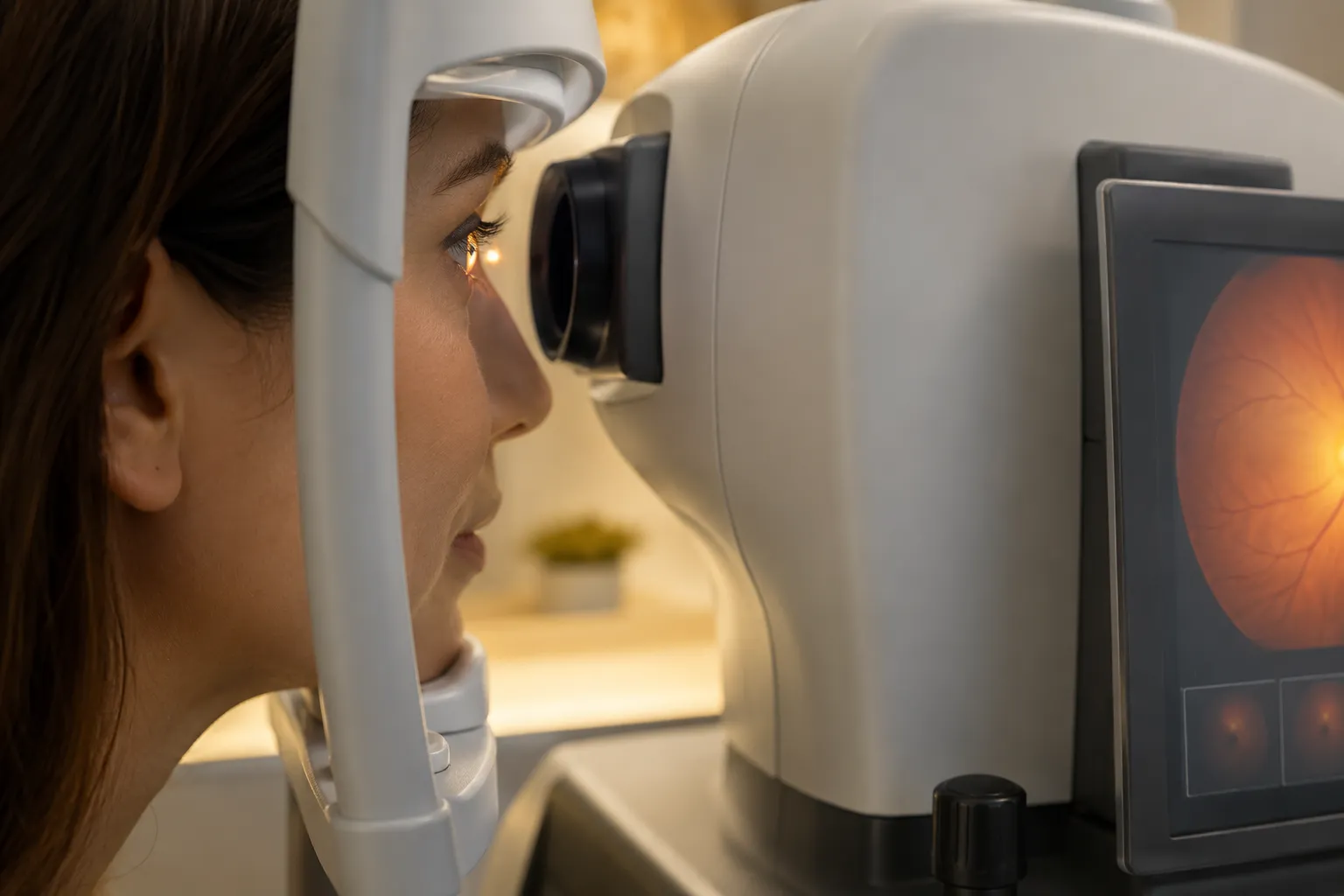
Optomap retinal imaging, which in many cases gives a detailed view of the retina without traditional dilation drops
A look at the cornea, lens and optic nerve
The point is prevention. Glaucoma and age-related macular degeneration can develop with few or no early symptoms, which is why the American Academy of Ophthalmology (AAO) stresses regular comprehensive exams even when your eyes feel normal. How often you should come in depends on your age and risk factors, and the guidance on how often adults should schedule eye exams changes once you pass 40 or have a condition like diabetes.
What Makes an Eye Exam a Medical Visit
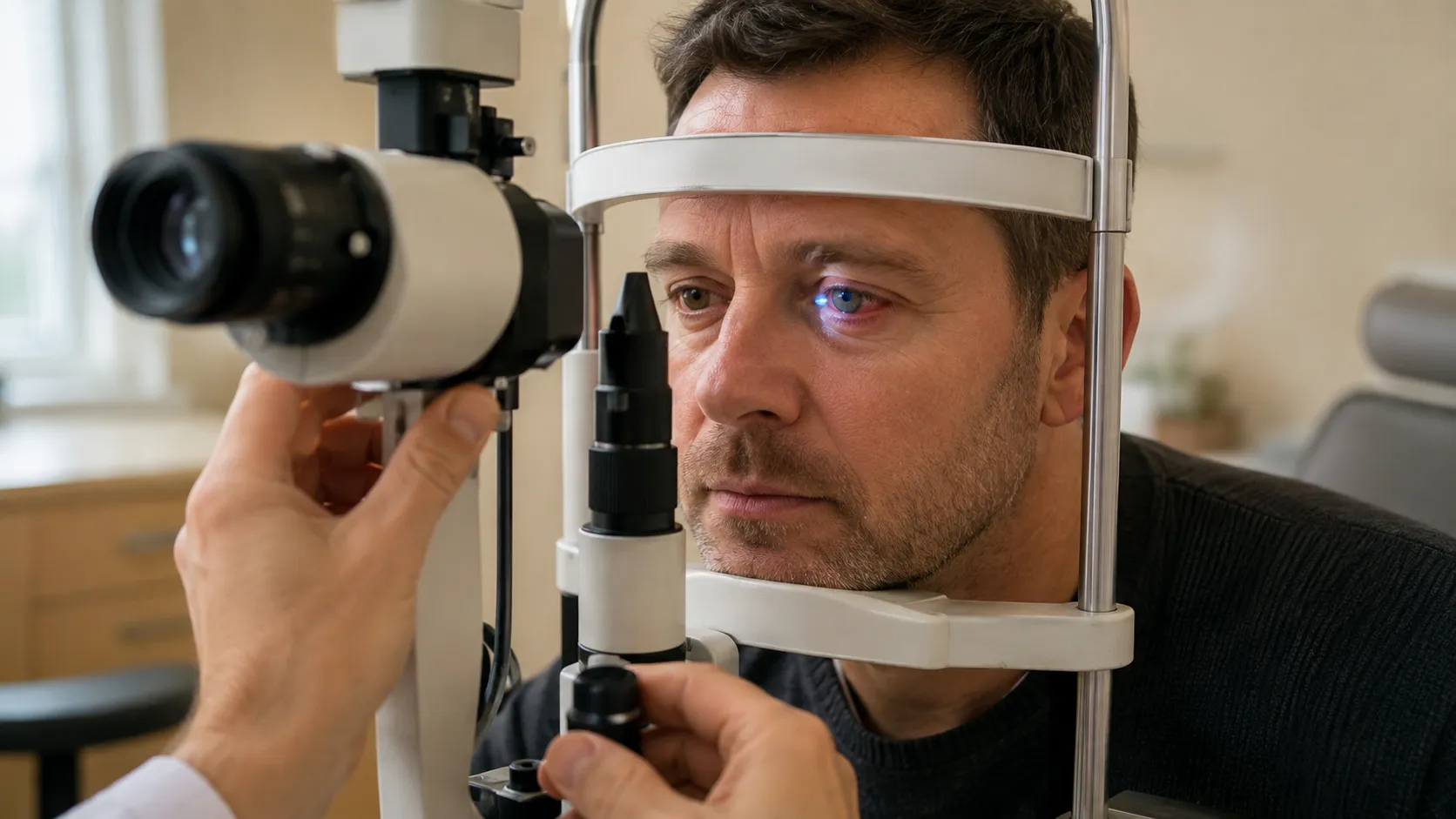
A medical eye exam starts with a reason. You come in because something is bothering you, or because a known condition needs to be watched. Common examples include:
Dry, burning or stinging eyes that keep coming back
Red, itchy or watery eyes during allergy season
Irritation or discomfort linked to contact lenses
Keeping an eye on how diabetes is affecting the retina
Following up on a family history of glaucoma or an earlier finding
Here the doctor focuses on that one concern: what is causing it, how serious it is and what helps. For dry eye, that can mean evaluating tear quality and the health of the eye surface, then talking through options such as prescription eye drops, punctal plugs or changes to daily habits.
Routine vs. Medical Eye Exam: Side by Side
The two visits use many of the same tools. What changes is why you are there and what you leave with.
Starting point: a routine exam starts with your calendar; a medical exam starts with a symptom or a condition.
Main goal: routine care keeps vision sharp and catches silent problems early; medical care finds the cause of a specific problem and manages it.
What you leave with: after a routine exam, usually an updated prescription and a clean bill of eye health or a plan to watch something; after a medical exam, a treatment plan, a follow-up visit or a referral when a specialist is needed.
Timing: routine exams are booked ahead, typically every one to two years depending on your doctor’s advice; medical visits happen when the problem shows up.
When a Routine Visit Turns Medical
The line between the two is not fixed. A routine checkup can uncover something that needs attention, such as early signs of dry eye or a change in the retina that shows up on imaging. When that happens, the visit shifts from screening to managing a specific finding, and your doctor explains what was found and what comes next.
At Fox Run Eye Care, Dr. Amy Catalano Boyer and Dr. Susan Gallant-Behan both handle routine checkups and medical concerns, including diabetic eye exams and glaucoma screening. That means you do not need to know the right label before you call. Patients notice the difference in how visits feel; one described them as “timely, friendly, (good humor!), knowledgeable and thorough exams.”
Which One Should You Book?
Book a routine exam if your eyes feel normal and you are due for a checkup, new glasses or a contact lens refill. Book a medical visit if a symptom keeps returning, a condition needs monitoring or your contact lenses have started to feel uncomfortable.
Some symptoms should not wait for either type of scheduled visit. The AAO lists decreased vision, a dark curtain over your sight, double vision, eye pain and eye injury among the signs that call for prompt care. If you are unsure how fast to act, learning how to tell whether an eye problem is an emergency can help you decide between calling today and booking this week.
What to Tell the Office When You Call
A few details help the team set aside the right kind of visit:
What you are noticing and when it started
Whether it affects one eye or both
Whether you wear contact lenses, and which ones
Any health conditions, such as diabetes, or a family history of glaucoma
Your current glasses or contacts, which you should bring with you
Fox Run Eye Care is located in Greenland, NH, near Portsmouth, and sees patients from Portsmouth, Newington, Rye, Stratham, North Hampton, Exeter and Dover. Whether you are coming in for a routine checkup or a nagging problem, the visit starts the same way: by listening to what you need.
Questions Patients Ask About Both Visits
Do I need dilation drops for either visit?
Not always. Optomap retinal imaging often gives the doctor a detailed view of the retina without traditional dilation drops. Your doctor will let you know if drops make sense for your situation.
My eyes feel fine. Do I still need a visit?
Yes. Feeling fine is exactly when a routine exam does its best work, because conditions like glaucoma can progress for a long time before you notice any change in your vision.
What if I booked the wrong type of visit?
Just tell the office or the doctor what is going on. The goal of any visit is to address your eyes as they are that day, and if something needs more time or a follow-up, you will leave with a clear next step.
Getting the Right Visit the First Time
The difference between a routine vs. medical eye exam comes down to why you are coming in. A routine exam protects vision you already have and catches silent problems early. A medical visit gets to the bottom of a symptom so you can stop guessing and start feeling better.
You do not have to sort it out alone. Tell the team what you are noticing, and Dr. Amy Catalano Boyer or Dr. Susan Gallant-Behan will take it from there. When you are ready, book your appointment and get clear answers about your eyes.
About Dr. Amy Catalano Boyer
Dr. Amy Catalano Boyer is an optometrist with more than 25 years of experience caring for patients on the New Hampshire Seacoast. She earned her Doctor of Optometry degree from Indiana University Bloomington and spent about 24 years serving patients at Fox Run Mall in Newington before opening her own independent practice. She is known for unhurried visits, careful vision assessment and clear explanations, and she believes proven technology should enhance, not replace, the personal connection between doctor and patient.