Your Guide to a Comprehensive Eye Exam

Your Guide to a Comprehensive Eye Exam: Steps, Preparation, and Why It Matters
A comprehensive eye exam does more than check your sight — it’s a chance to protect your vision and spot health issues early. In this guide, we walk through why regular exams matter, how to prepare, what to expect during the visit, and how to read your results. Many people delay eye care until symptoms appear; regular exams catch problems before they affect daily life. We’ll also explain how licensed opticians can help you choose the right eyewear after your exam.
Eye care professionals recommend comprehensive exams as part of routine health monitoring.
Understanding Comprehensive Eye Examinations
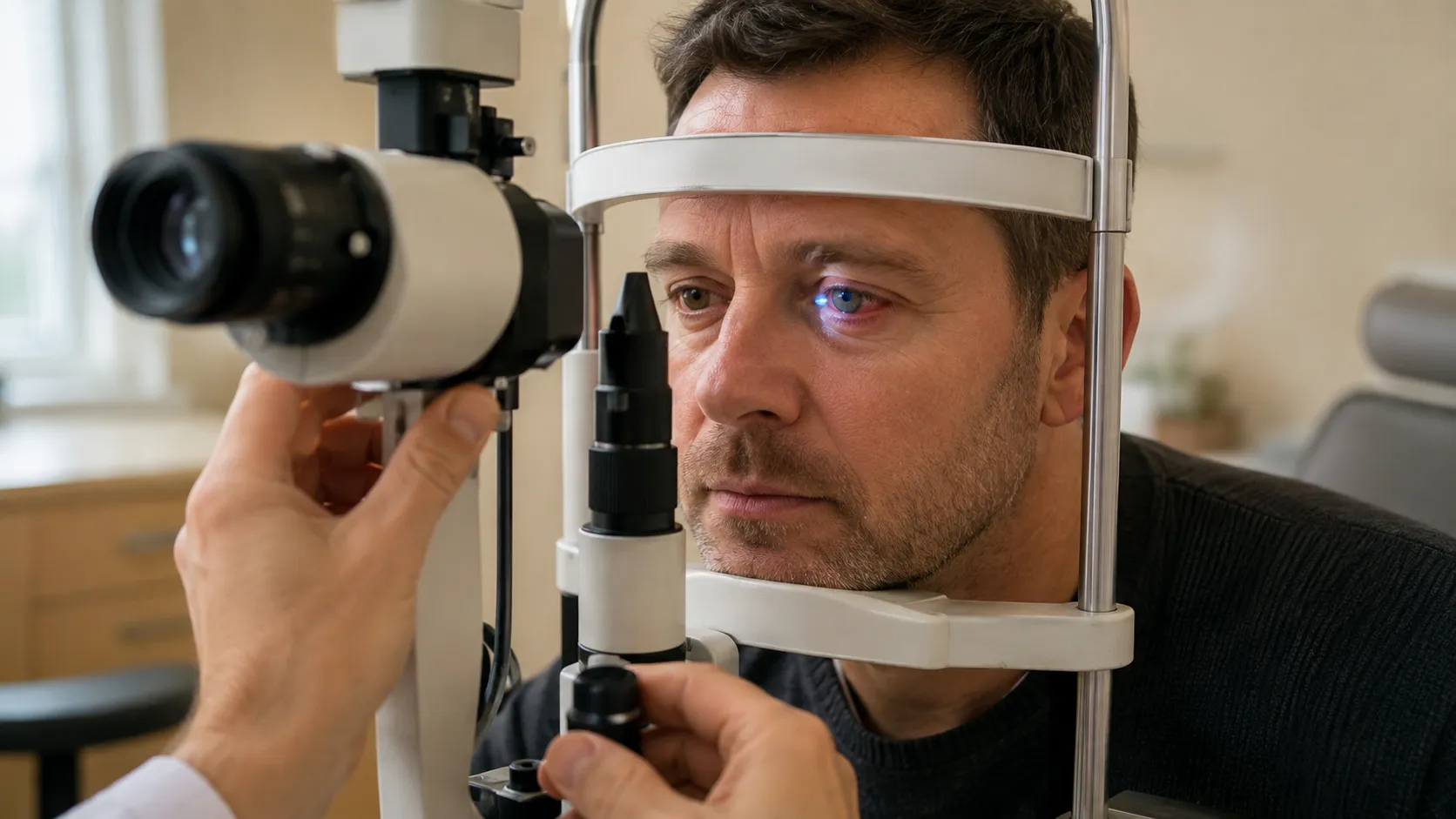
A comprehensive eye exam (CEE) includes a sequence of tests that evaluate how your eyes work and whether they’re healthy. A CEE is useful for anyone, and many experts suggest annual checks for people over 40 to monitor age-related changes.
Comprehensive eye examination: what does it mean?, 2019
Why an Annual Comprehensive Eye Exam Is Important
Having a full eye exam each year helps preserve vision and supports overall health. These exams catch eye conditions early so treatment can start sooner. Beyond vision correction, findings from an eye exam can reveal signs of broader health issues, making these visits a key part of preventive care.
Which Eye Conditions Can a Comprehensive Exam Detect?

A comprehensive eye exam can identify several serious conditions, including:
- Glaucoma: A disease that can cause permanent vision loss if not found and treated early.
- Cataracts: Clouding of the eye’s lens that can reduce clarity and sometimes needs surgery.
- Diabetic Retinopathy: Damage to the retina from diabetes that can threaten sight without proper care.
Finding these problems early gives you more treatment options and a better chance of preserving vision.
How Does Regular Eye Testing Support Whole‑Body Health?
Eye exams can reveal signs of systemic conditions such as diabetes and high blood pressure. Because the eye’s blood vessels and nerves reflect overall health, changes seen by your clinician can prompt earlier diagnosis and treatment of other medical issues — improving long‑term outcomes.
The eyes often provide clear clues about wider health concerns — which is why exams matter beyond vision alone.
Ocular Signs for Systemic Disease Diagnosis
Systemic diseases frequently produce recognizable signs in the eye. Spotting these signs helps both eye and general health diagnoses, since the eye is easy to examine. Early recognition leads to timelier diagnosis and better evaluation of treatments.
Ocular manifestations of systemic diseases, R Ofri, 2009
How to Prepare for Your Comprehensive Eye Exam
Preparing a little before your visit makes the exam smoother and more useful for your provider.
What to Bring and What to Know Before Your Appointment
Before you arrive, gather these items:
- Insurance Information: Bring your insurance card so we can confirm coverage and process benefits.
- Current Medications: A list of all medications, including over‑the‑counter drugs and supplements, helps us understand your health context.
Having this information ready helps your clinician give a more accurate and personalized exam.
Why Your Medical History Matters
Your health history — past eye problems, surgeries, and family eye disease — shapes which tests we perform and how we interpret results. Sharing this background lets us tailor the exam and recommendations to your needs.
What Happens During Each Step of a Comprehensive Eye Exam?
A comprehensive exam includes several focused tests. Each one checks a different aspect of vision or eye health.
How Visual Acuity Is Tested and What It Shows
Visual acuity testing measures how clearly you see at various distances, usually with a Snellen chart or similar eye chart. The results tell us whether you need glasses or contact lenses and what strength will help you see best.
Refraction and Eye Pressure Tests — What to Expect
Refraction determines your exact prescription by having you look through different lenses to find the clearest option. Eye pressure testing, typically done with a tonometer, measures the pressure inside your eye — an important check for glaucoma risk.
How to Read Your Eye Exam Results and Prescription
Understanding your results helps you make informed choices about vision correction and follow‑up care.
What Your Prescription Terms Mean
Your prescription lists values like sphere, cylinder, and axis. Sphere indicates nearsightedness or farsightedness, while cylinder and axis describe astigmatism. Knowing these terms makes it easier to discuss lenses and options with your provider.
How Licensed Opticians Help with Eyewear
Licensed opticians take your prescription and fit it to frames and lenses that suit your lifestyle. They handle measurements, suggest lens treatments, and ensure your glasses are comfortable and functional for everyday use.
Which Eyewear Options Are Available After an Exam?
After your exam, you’ll have choices for correcting vision and protecting your eyes. Each option has practical benefits depending on how you live and work.
Choosing Prescription Glasses and Frames for Fit and Style

When picking glasses, think about:
- Frame Fit: Frames should sit comfortably without pinching or slipping and align with your facial features for proper lens positioning.
- Lens Options: Select lenses that match your needs — for example, anti‑reflective coatings, transition lenses, or blue‑light filters for screen use.
Choosing the right combination improves comfort, vision, and how your glasses look and feel every day.
Benefits of Contact Lenses and Safety Eyewear
Contacts offer a wider field of view and freedom from frames, which is great for sports or active days. Safety eyewear protects your eyes in hazardous work or hobby environments, providing both vision correction and impact resistance when needed.
Meet the Opticians at Fox Run Eye Care — How They Support You
Our opticians at Fox Run Eye Care are focused on practical, personalized service. With training and hands‑on experience, they help translate your prescription into lenses and frames that work for your daily life.
What Makes Our Optical Team Different
We combine clinical expertise with community care — taking time to listen, recommend responsibly, and build ongoing relationships. That means accurate fittings, helpful style advice, and ongoing support after you leave the office.
In short, a comprehensive eye exam protects your sight and can reveal health issues beyond the eyes. By coming prepared and knowing what to expect, you’ll get the most from your visit. Regular exams at practices like Fox Run Eye Care keep you informed about your eye health and connected to personalized care.
Frequently Asked Questions
How often should I schedule a comprehensive eye exam?
We generally recommend a comprehensive eye exam every one to two years. If you’re over 40, have a family history of eye disease, or have other risk factors, an annual check is a good idea. Regular exams help catch problems early when they’re easier to treat.
What should I expect during a comprehensive eye exam?
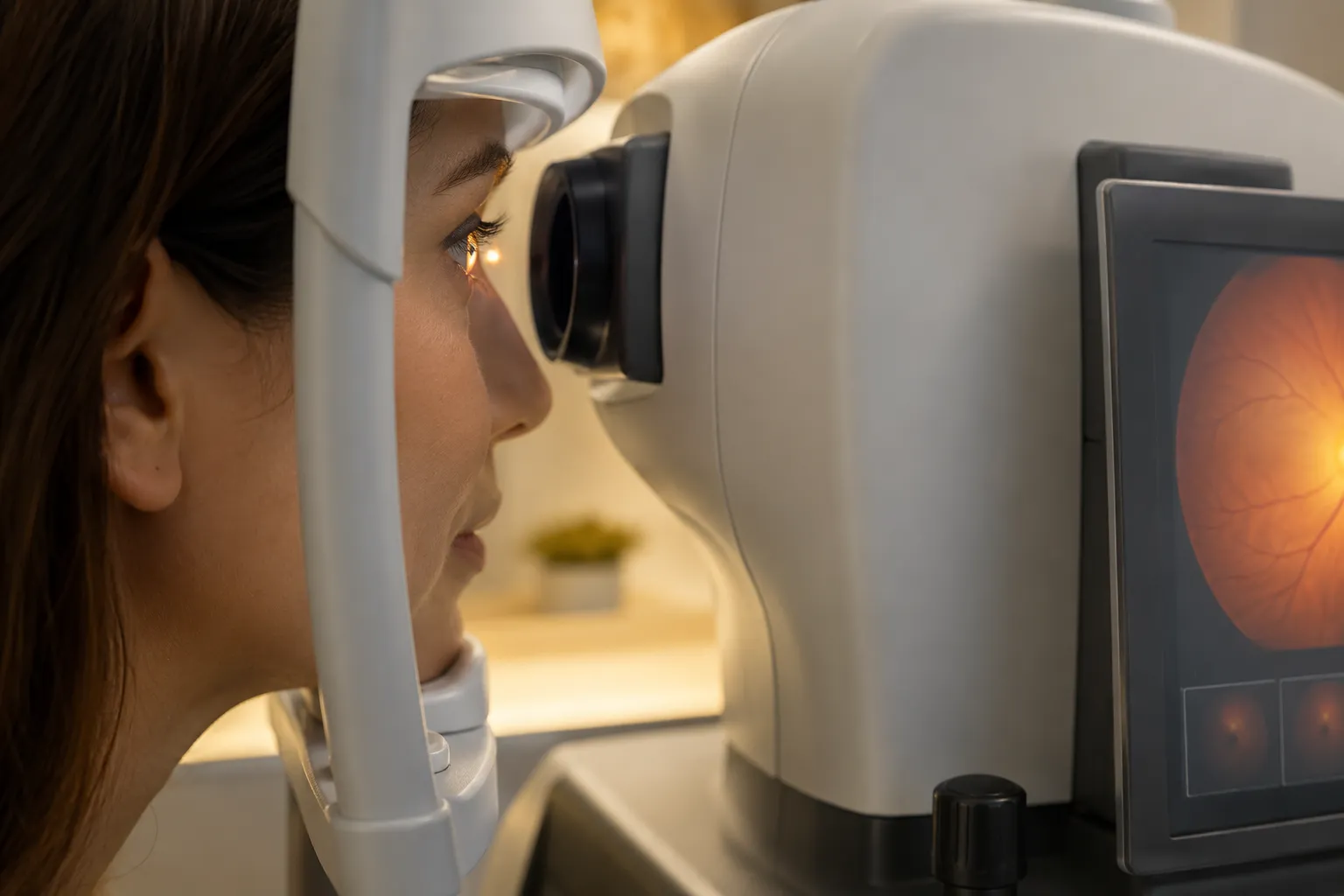
Your exam will include several tests to check vision and eye health — for example, visual acuity, refraction, eye pressure measurements, and an internal eye exam. Most appointments take about an hour, and your eye care professional will explain each step as they go.
Can children benefit from comprehensive eye exams?
Yes. Early eye exams are important for a child’s development and learning. We recommend a first exam around six months, then again at age three and before starting school, with regular checks after that as recommended by your provider.
What are the risks of not having regular eye exams?
Skipping regular exams can allow conditions like glaucoma, cataracts, or diabetic retinopathy to progress unnoticed. Because some eye diseases show no early symptoms, routine exams are essential to find and treat issues before permanent damage occurs.
How do lifestyle factors affect eye health?
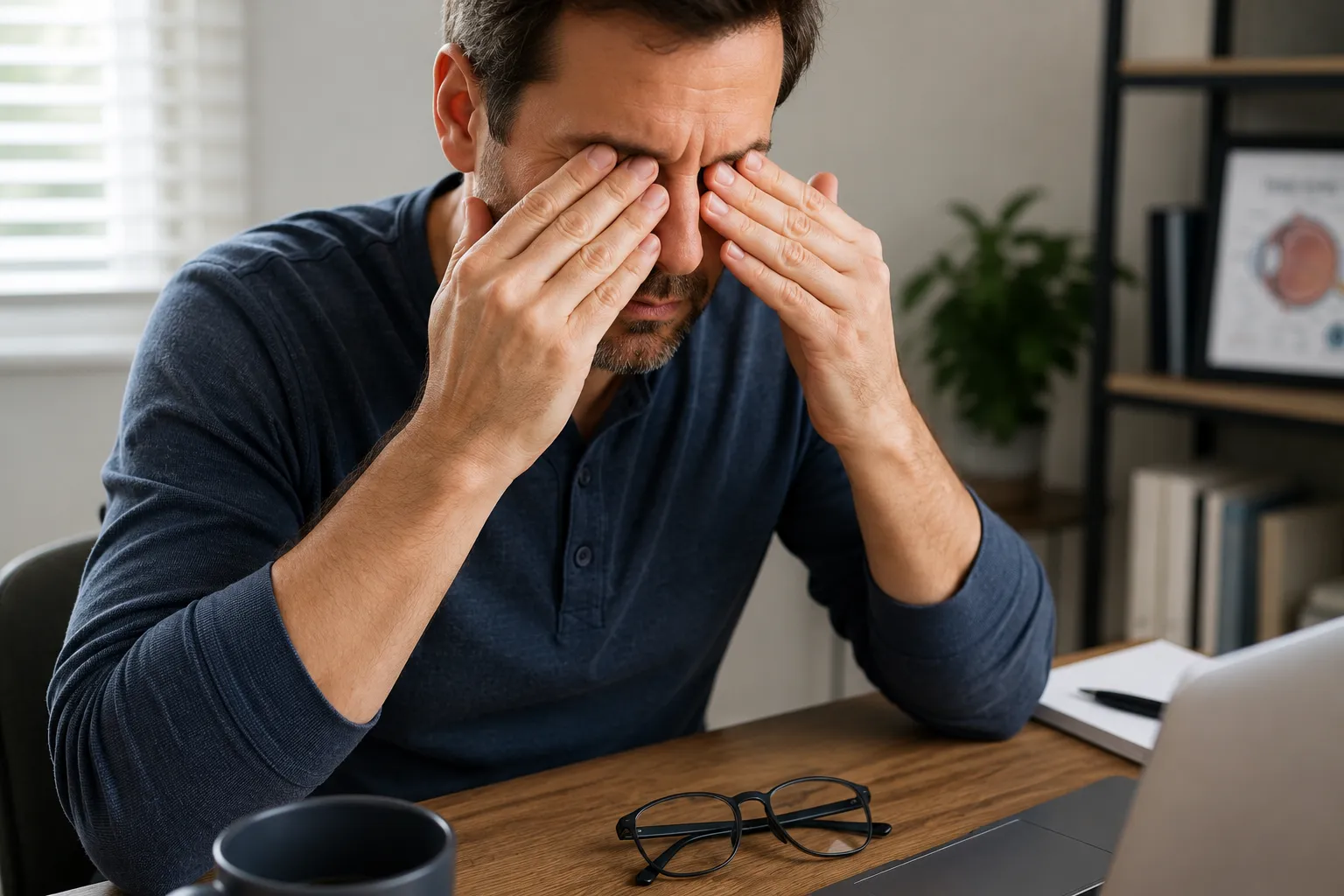
Your diet, screen time, and sun exposure all influence eye health. A balanced diet with vitamins and omega‑3s supports eye function, excessive screen time can cause digital eye strain, and UV exposure raises cataract risk. Healthy habits and protective eyewear help reduce these risks.
What should I do if I experience sudden vision changes?
If you notice sudden blurred vision, flashes, or a surge in floaters, seek immediate care. These symptoms can signal serious problems like retinal detachment or other urgent conditions. Prompt evaluation can protect your vision and address underlying causes quickly.
Conclusion
A comprehensive eye exam is a simple but powerful way to protect your vision and monitor your overall health. With a bit of preparation and regular visits to a trusted practice like Fox Run Eye Care, you’ll stay on top of changes and get care tailored to your needs. Schedule your exam today to keep your eyes — and your life — moving clearly forward.