Why Omega-3 Is Essential for Young Athletes

Your Eyes Are Athletes Too — This Is What Omega-3 Actually Does
You track your protein, your sleep, your split times. But if you’re not thinking about omega-3, you’re leaving a real gap in your recovery stack, one that shows up directly in your vision. Understanding why is omega 3 important goes way beyond heart health: it’s about what happens to your retina, your tear film, and your visual reaction time when your body is burning through nutrients at an athlete’s pace. The eye health supplements that actually move the needle for active people work at a biological level most athletes have never thought about.
Most people think omega-3 is for older adults worried about their heart. Whether you’re a college athlete, a high school player, or a younger student balancing sports, school, and screen time, omega-3 may be more relevant to your eye health than you think. Active bodies place heavy demands on recovery, and your visual system is no exception.
Why Your Eyes Burn Through Omega-3 Faster When You Train
Exercise cranks up oxidative stress throughout your whole body. Your muscles, joints and your eyes are all running harder during intense training. Here’s the part most athletes don’t know: the retina has one of the highest concentrations of DHA (docosahexaenoic acid) of any tissue in the human body. DHA is an omega-3 fatty acid that’s literally structural, built into what your retinal cells are made of.
Train hard every day without replenishing DHA and EPA (eicosapentaenoic acid), and your body starts pulling from those reserves. In a young athlete on a high-carb, lower-fat diet, which describes many student athletes from middle school and high school sports through college programs, this can happen faster than you’d expect. The eyes often feel it first.
What Omega-3 Deficiency Can Look Like for Athletes of Any Age
It doesn’t announce itself. It creeps in slowly, in ways that are easy to write off as just being tired.
Dry, Irritated Eyes After Practice
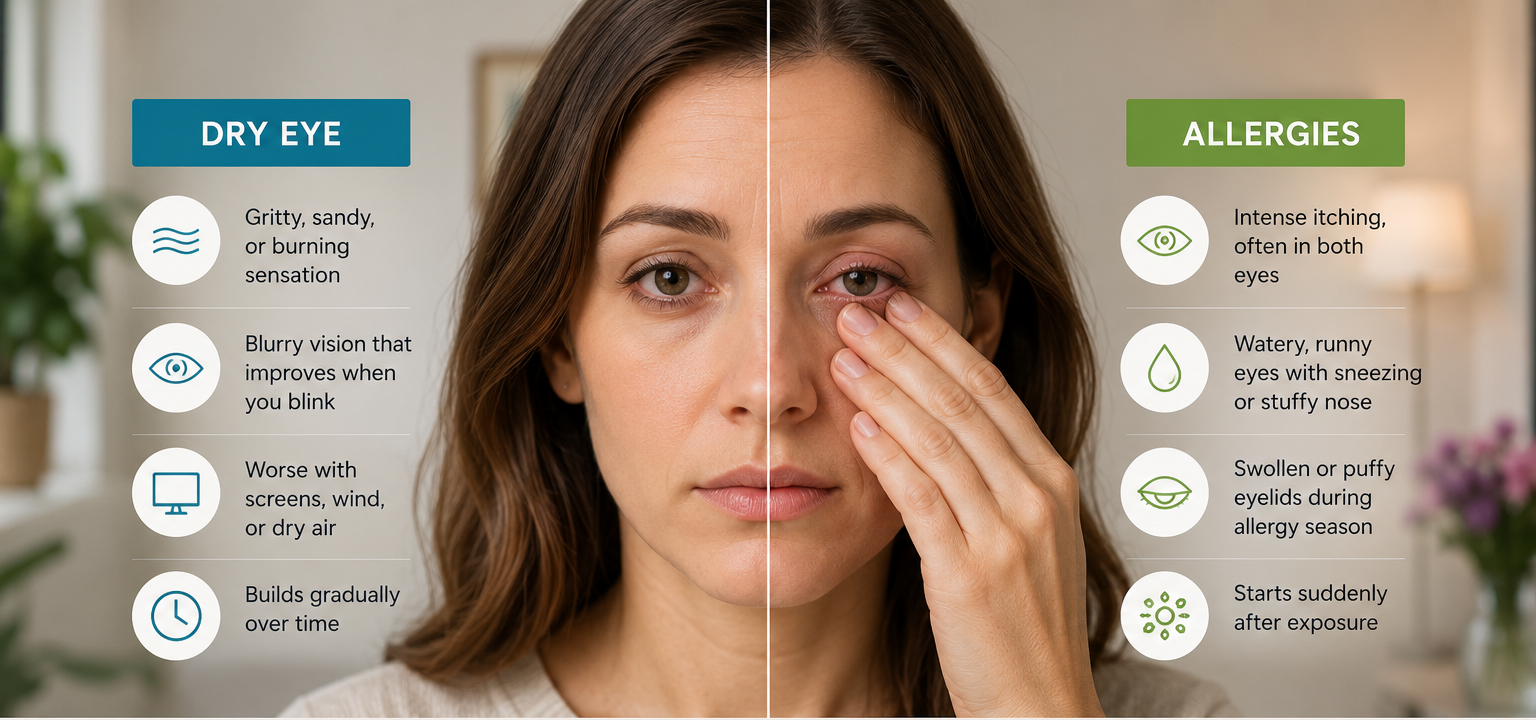
Your tear film has a lipid layer on its outer surface, produced by the meibomian glands. That layer depends directly on EPA and DHA to stay stable. Without enough omega-3, it gets thin and breaks down fast, tears evaporate too quickly, and your eyes feel dry, gritty, or irritated after long outdoor sessions. Athletes training in windy conditions near the coast, around Portsmouth, Rye, Hampton, or Kittery, feel this even more.
Slower Visual Reaction Time
DHA is embedded in your photoreceptor cells, the cells that process what you see. When DHA levels drop, the speed at which those cells regenerate after light exposure can decrease. For an athlete, this shows up as slower contrast adaptation: tracking a fast ball, recovering from glare, or switching focus from a bright field to a shadowed court. It’s subtle. You might just feel like your eyes are a step behind. Most athletes blame fatigue. Sometimes it’s the retina telling you it’s running low.
Low-Grade Ocular Inflammation
EPA is one of the body’s main anti-inflammatory tools. In the eyes, omega-3 deficiency is linked to elevated inflammatory markers in the tear film and conjunctiva. This doesn’t always cause visible redness. It might just feel like your eyes are off, slightly sensitive to light, or never fully comfortable. Athletes who push through discomfort as a default often let this go for months.
What Omega-3 Balances in a Young, Active Body
Omega-3 isn’t just about preventing problems. In a body that’s actively training, it supports a range of systems that directly affect both performance and recovery.
- Tear film stability: EPA and DHA support the lipid layer of your tear film, meaning your eyes stay lubricated through long practices, games, and the screen time that follows.
- Retinal structure: DHA is a structural component of photoreceptor membranes. Adequate intake helps maintain the integrity of the cells that make your vision sharp and fast.
- Inflammatory regulation: EPA competes with pro-inflammatory compounds in your body, keeping the ocular surface calm even under training stress.
- Meibomian gland health: These tiny glands in your eyelids produce the oil in your tears. Omega-3 supports their function, especially important for athletes exposed to wind, sun, and dry environments.
- Whole-body recovery: Omega-3 supports systemic inflammation control, which benefits recovery time across every system, including your visual system.
At Fox Run Eye Care, opticians like Colin McPhillips often discuss the role of omega-3 with patients, including athletes of all ages, from younger student athletes and high school players to college competitors. When helping patients find the right glasses or contact lenses, the conversation often includes ocular surface health because a healthy tear film can make a meaningful difference in visual comfort and clarity. Omega-3 may help support tear film stability, contributing to a clearer, more comfortable visual surface for glasses and contact lens wearers, especially those balancing sports, outdoor conditions, and screen time.
The structural role of DHA in retinal photoreceptor membranes and the anti-inflammatory properties of EPA are well established in the scientific literature, making omega-3 intake relevant for anyone placing sustained physical and visual demand on their body. The American Academy of Ophthalmology (AAO) offers further context on omega-3 and ocular surface health for those looking to dig deeper.
If you’re just getting started with eye supplements and want to understand how omega-3 fits into a broader nutritional approach to vision, this guide to eye health supplements breaks down the full picture, from lutein and zeaxanthin to vitamins and antioxidants.
Why the Drugstore Fish Oil Probably Isn’t Cutting It
Here’s something worth knowing before you grab the generic bottle off the shelf: the form of omega-3 matters a lot.
Most grocery store and pharmacy fish oils are in the ethyl ester form. Ethyl ester omega-3 has significantly lower bioavailability than the triglyceride form, meaning less of what you swallow actually reaches your tissues. It’s also harder on the stomach, which is why the fish burp is so common with cheap supplements.
At Fox Run Eye Care, Dr. Amy Catalano Boyer and Dr. Susan Gallant-Behan, working together to provide personalized, relationship-based eye care, recommend MacuHealth TG Omega-3 specifically because it delivers EPA and DHA in the triglyceride form. Clinical research supports the difference: studies comparing TG-form and ethyl ester omega-3 consistently show higher plasma EPA and DHA levels with TG supplementation, meaning more of the fatty acid actually reaches retinal tissue where it’s needed. This formulation is also molecularly distilled for purity and gentler on the stomach, so you’re not skipping doses because of the aftertaste.
Athletes from Portsmouth, Dover, Newington, and across the Seacoast who’ve tried generic fish oil and noticed nothing often find a real difference when they switch to a clinically appropriate TG-form supplement.
The Real Risks of Skipping Omega-3 When You’re Young
It’s tempting to think your body will just handle it. You’re young, you recover fast. But your eyes are less forgiving than muscle or joint tissue, and the effects of chronic deficiency add up.
Progressive Dry Eye Disease
What starts as occasional dryness can develop into chronic dry eye disease if the meibomian glands are consistently deprived of fatty acid support. Gland dysfunction is difficult to reverse once it sets in. Starting omega-3 early is significantly more effective than trying to treat established disease later.
Slower Visual Performance Over Time
A retina that’s chronically low on DHA may not perform at its ceiling. For a recreational player in Hampton or Exeter, that might mean slightly slower ball tracking. For a competitive athlete, it could mean the difference between seeing a play develop and missing it.
A Missed Recovery Window
Performance nutrition has become a whole science. Athletes track protein timing, electrolytes, sleep quality. But omega-3 almost never makes the list. Missing this window early in your athletic career means years of suboptimal ocular recovery that quietly affects your game.
How to Know If You’re Getting Enough
Diet alone rarely covers it for most athletes. Fatty fish two to three times a week would do it, but many student athletes, active teens, college athletes, and young professionals in the Seacoast region are not getting that consistently. Training volume, stress, and typical high-carb eating patterns all affect how much omega-3 your body has available for tissues like the ocular surface.
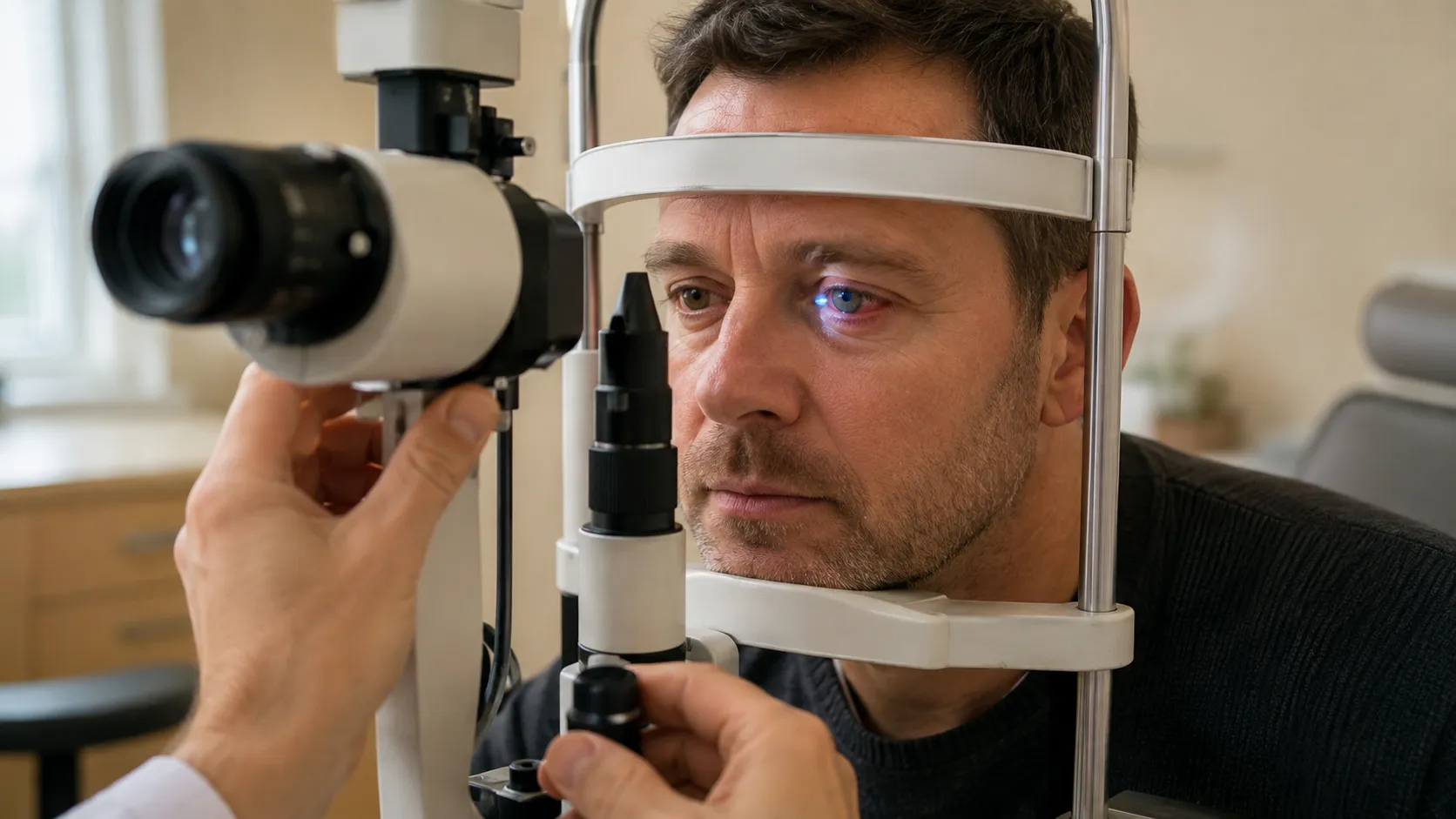
At Fox Run Eye Care near Portsmouth in Greenland, NH, Dr. Amy Catalano Boyer offers comprehensive eye exams that factor in nutritional considerations affecting vision and ocular surface health. The practice also offers free carotenoid and antioxidant readings, a quick, non-invasive way to get a real data point on where your eye nutrition actually stands.
Questions Athletes and Active Families Actually Ask
Can I just eat more salmon instead of taking a supplement?
Totally valid approach. Fatty fish like salmon, mackerel, and sardines are solid dietary sources of EPA and DHA. If you can reliably hit that two to three times a week, great. The challenge is consistency. On heavy training weeks, meal planning usually falls apart, and a high-quality TG-form supplement is a reliable backup. Think of it as your nutritional insurance.
How long until I notice a difference?
For dryness and comfort, most people notice something in four to eight weeks of consistent use. For deeper retinal changes tied to DHA levels, think three to six months. Omega-3 isn’t a pre-workout. It’s a foundation nutrient. The longer you stay consistent, the more it shows up in how your eyes actually feel and perform.
Is MacuHealth TG Omega-3 actually different from what I’d find at Costco?
Yes, and the difference is meaningful. The key is the form, triglyceride versus ethyl ester. TG-form omega-3 is more bioavailable, which means more EPA and DHA actually reaches your tissues. MacuHealth TG is also molecularly distilled for purity, which matters if you’re particular about what you put in your body. Your optometrist can help you figure out if it’s the right fit for your situation.
Treat Your Eyes Like the Rest of Your Training
You already invest in recovery, protein, sleep, hydration, maybe compression or contrast therapy. Your eyes are doing serious work every practice, every game, every study session. Omega-3 in the triglyceride form is one of the most research-backed, accessible ways to keep the ocular surface healthy, reduce inflammation, and give your retina what it needs to keep up.
Athletes across the NH Seacoast, from Kittery and York in Maine to Stratham, Epping, North Hampton, and Exeter, are increasingly treating eye nutrition as part of their performance routine. It’s a small addition with a surprisingly long tail.
Curious where your eye nutrition actually stands? Dr. Amy Catalano Boyer and Dr. Susan Gallant-Behan at Fox Run Eye Care near Portsmouth are happy to walk you through it, and a free carotenoid and antioxidant reading gives you real data to work with. Schedule your comprehensive eye exam whenever you’re ready.
About the Author
Dr. Amy Catalano Boyer is the founder and owner of Fox Run Eye Care, an independent optometry practice serving the New Hampshire Seacoast community. A graduate of Indiana University Bloomington’s School of Optometry, she has been practicing for over 25 years, first at Fox Run Mall in Newington, and now at the practice’s new location in Greenland, near Portsmouth, NH. Dr. Amy Catalano Boyer is passionate about personalized, proactive eye care that goes beyond correcting vision to supporting the full health of the visual system.