Signs You May Benefit From Eye Supplements: Is Your Wellness on Track?

Could eye supplements help? Signs your eye wellness might need extra support
Your eyes handle everything from reading and long days at a screen to time outdoors. With heavy device use and busy schedules, it’s easy to overlook how nutrition affects day‑to‑day comfort and long‑term eye health. Eye supplements can complement a healthy diet and routine eye care. Below we explain common signs supplements may help with, the nutrients to know, ways to track your nutrient status, and how focused products like MacuHealth might fit into your plan. Our goal is practical: help you make clear choices that support healthier eyes.
This article is brought to you by Dr. Amy Catalano Boyer, also known as Dr. Catalano, a leading expert in eye care and nutritional support for visual wellness. With years of experience, Dr. Catalano is dedicated to empowering patients with knowledge to make informed decisions about their eye health.
What are the common signs that you might need eye vitamins?
Noticing problems early makes it easier to act. Persistent digital eye strain, frequent eye fatigue, or increased sensitivity to glare can signal lifestyle or nutritional gaps. Often, supplements can fill those gaps when paired with sensible habit changes and routine care.
How does digital eye strain affect your visual comfort?

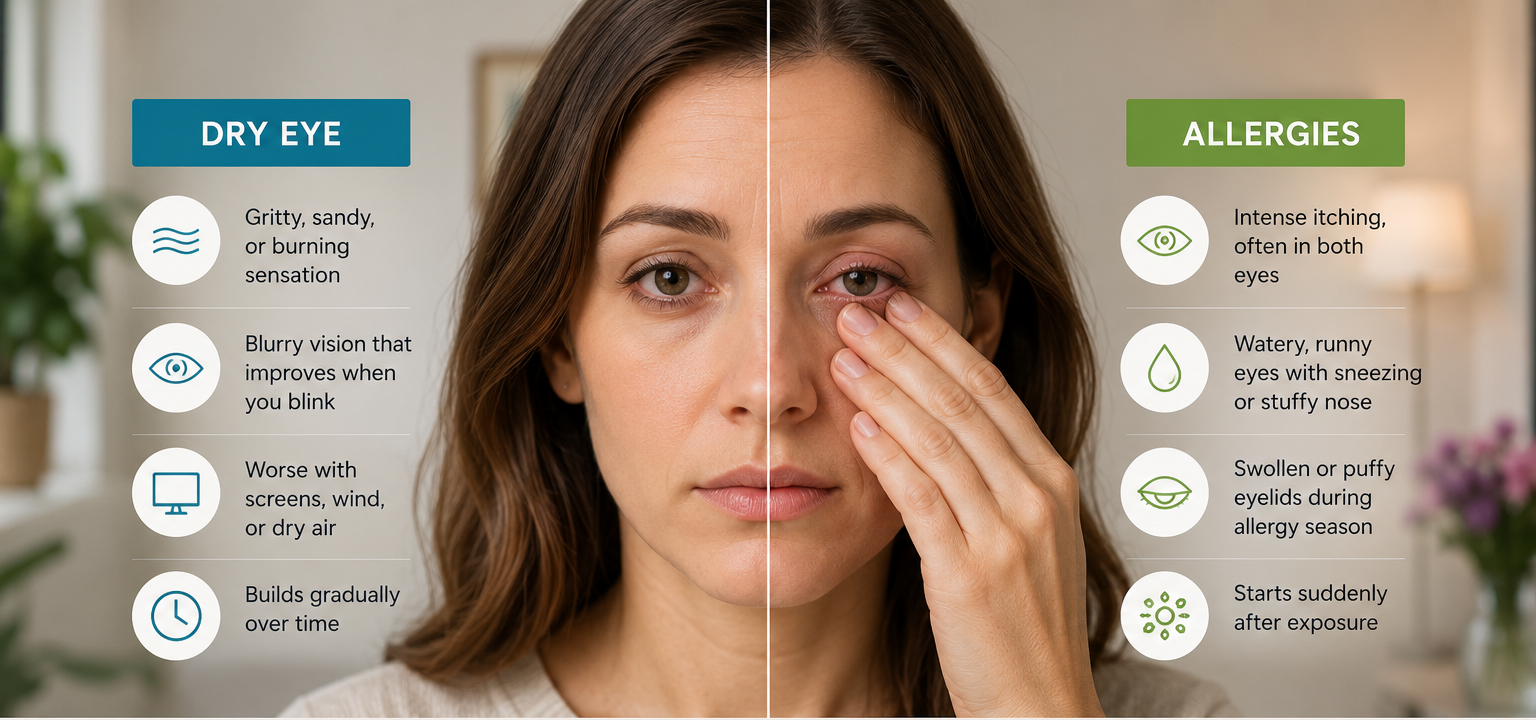
Digital eye strain comes from long periods of screen use and commonly causes dryness, irritation, blurred vision, and headaches. Those symptoms make focusing harder and reduce comfort at work or while studying. Simple fixes—regular breaks, adjusting screen brightness and contrast, and using lubricating drops—pair well with nutritional support to ease symptoms.
Evidence suggests targeted nutrition can reduce some discomfort linked to extended screen time.
Further studies explore the role of nutritional approaches—like omega‑3s, anthocyanins, and carotenoids—in managing digital eye strain and related dry eye symptoms.
Nutritional support for digital eye strain & dry eye
Research points to nutritional intervention—particularly omega‑3s, anthocyanins, and carotenoids—as a potential strategy in managing digital eye strain and associated dry eye symptoms.
Can nutrition play a role in ameliorating digital eye strain?, 2022
Nutritional supplements for digital eye strain
Perfect daily nutrition isn’t realistic for everyone. Focused supplements can safely and effectively support visual comfort and performance for many people. Studies report that supplements containing macular carotenoids may reduce some visual and systemic effects tied to prolonged screen use.
Managing Digital Eye Strain: A Nutritional Approach: If we can’t curtail screen use, we must institute appropriate interventions to minimize their untoward effects., 2022
What are the symptoms of eye fatigue and glare sensitivity?
Eye fatigue often feels like heavy or tired eyes, trouble refocusing, or soreness after reading or close work. Glare sensitivity makes bright or reflective scenes uncomfortable and can wash out detail. Better lighting, more frequent breaks, and anti‑reflective lens coatings are good first steps. Over time, certain nutrients and supplements can also support ongoing visual comfort.
How do key nutrients support eye wellness and visual comfort?
Certain nutrients play clear roles in protecting the retina and supporting visual function. Knowing which ones matter helps you pick foods and supplements that support comfort now and eye health down the road.
What role do carotenoids like lutein and zeaxanthin play in eye health?
Lutein and zeaxanthin are carotenoids concentrated in the macula. They help filter some blue light and protect the retina from oxidative stress. You’ll find them in leafy greens, colorful vegetables, and eggs. Regular intake—through food or supplements—can help preserve visual performance and reduce glare sensitivity over time.
Ongoing research continues to highlight these carotenoids’ role in retinal protection.
Lutein, zeaxanthin, DHA: retinal antioxidants for eye health
Oxidative stress is thought to play a central role in age‑related macular degeneration (AMD). Lutein (L) and zeaxanthin (Z) are components of macular pigment and act as retinal antioxidants. Docosahexaenoic acid (DHA) supports photoreceptor function. This study explored whether L, Z, and β‑carotene (BC) protect photoreceptors from oxidative stress and how they interact with DHA.
Lutein and zeaxanthin protect photoreceptors from apoptosis induced by oxidative stress: relation with docosahexaenoic acid, 2007
How do omega‑3 fatty acids and antioxidants enhance eye wellness?

Omega‑3s and antioxidants are foundational for healthy eyes. Omega‑3s—found in fatty fish and flaxseeds—support retinal structure and can help with dry eye symptoms. Antioxidants like vitamins C and E protect eye tissues from free‑radical damage. Including these nutrients in your diet supports both daily comfort and long‑term resilience.
Additional studies highlight omega‑3s as a helpful option for dry eye, especially when symptoms relate to computer use.
Omega‑3s for computer vision syndrome dry eye
This study shows that oral omega‑3 fatty acids can reduce dry eye symptoms, lower tear evaporation, and improve clinical grading in patients with computer vision syndrome–related dry eye.
Oral omega‑3 fatty acids treatment in computer vision syndrome related dry eye, R Bhargava, 2015
Systematic reviews have also examined omega‑3s for dry eye and support their potential benefit for many patients.
Omega‑3 fatty acids for dry eye syndrome management
Dry eye is a common, multifactorial condition that affects comfort and visual performance. This meta‑analysis compared omega‑3 fatty acids with placebo fatty acids and indicates omega‑3 therapy can help many patients.
Omega‑3 essential fatty acids therapy for dry eye syndrome: a meta-analysis of randomized controlled studies, 2014
What is a carotenoid level eye test and how can it track your wellness?
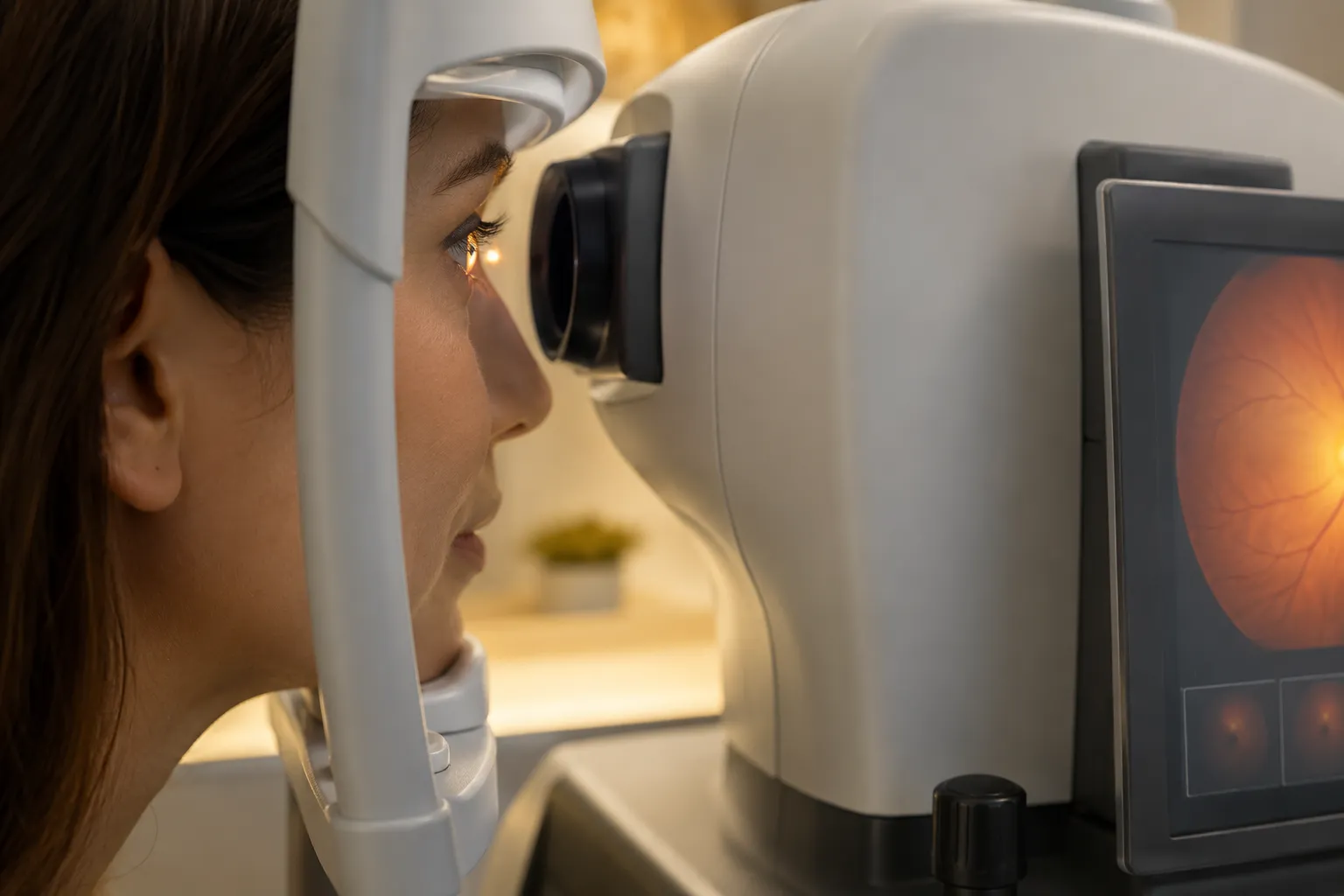
A carotenoid level eye test offers a simple, non‑invasive snapshot of your body’s carotenoid status and the nutritional support available to your eyes. Tracking these levels over time shows how diet and supplements affect the nutrients that support the retina.
How does the Life Meter provide non‑invasive antioxidant assessments?
The Life Meter reads skin carotenoid levels without needles or bloodwork, giving a quick estimate of antioxidant status. It’s a convenient way to guide food choices or supplement decisions and to monitor progress between eye exams.
Research supports non‑invasive methods like reflection spectroscopy for assessing skin carotenoid status and linking it to dietary intake.
Non‑invasive skin carotenoid status assessment
Objective: assess the feasibility, reliability and validity of reflection spectroscopy (RS) to measure skin carotenoids in a racially diverse sample. Feasibility was judged by time to complete three RS measures, reliability by variation between measures, and validity by correlation with self‑reported fruit and vegetable intake.
A non-invasive assessment of skin carotenoid status through reflection spectroscopy is a feasible, reliable and potentially valid measure of fruit and vegetable …, NE Moran, 2018
How can tracking carotenoid levels help monitor your eye‑health trends?
Regular carotenoid checks show whether your levels are improving, steady, or declining—so you can tweak diet or supplements. Used alongside routine eye exams, that data gives a clearer picture of your eye‑health plan.
How can MacuHealth supplements support your eye health and wellness?
MacuHealth offers targeted carotenoid formulas designed to support macular pigment and visual comfort. For people focused on macular support or managing early AMD, these supplements can be a thoughtful, evidence‑informed addition to diet and clinical care.
What are the benefits of MacuHealth with LMZ3 for macular pigment density?
MacuHealth with LMZ3 combines lutein, zeaxanthin, and meso‑zeaxanthin to support macular pigment density—the protective layer that helps visual performance and reduces glare. Taken consistently, alongside healthy habits and clinical guidance, this combination may help preserve clarity and comfort.
Studies have compared different carotenoid blends, including formulations similar to MacuHealth, for effects on macular pigment and visual function in early AMD.
One study looked at how specific carotenoid formulations, including those used by MacuHealth, affect macular pigment and visual function in people with early age‑related macular degeneration.
Further research provides detailed insight into how these formulations impact macular pigment and visual function in individuals with early AMD.
MacuHealth & macular carotenoids for AMD visual function
Sixty‑seven subjects with early AMD were randomly assigned to: Group 1 (20 mg per day lutein (L), 0.86 mg per day zeaxanthin (Z); Ultra Lutein), Group 2 (10 mg per day meso‑zeaxanthin (MZ), 10 mg per day L, 2 mg per day Z; Macushield; Macuhealth), Group 3 (17 mg per day MZ, 3 mg per day L, 2 mg per day Z). Macular pigment (MP) was measured using customised heterochromatic flicker photometry and visual function by contrast sensitivity (CS) and best‑corrected visual acuity (BCVA).
Sustained supplementation and monitored response with differing carotenoid formulations in early age-related macular degeneration, KO Akuffo, 2015
Which MacuHealth products address specific visual comfort needs?
MacuHealth offers several formulas to match different goals—some build macular pigment, others support day‑to‑day visual comfort. The right product depends on your goals and medical history, so discuss options with your eye care provider.
What holistic lifestyle practices complement eye supplements for wellness?
Supplements work best when paired with healthy habits. A nutrient‑rich diet, sensible screen habits, and regular eye care amplify nutritional support and help protect vision over time.
How do diet and screen‑time management influence eye health?
A diet full of colorful fruits and vegetables, leafy greens, and omega‑3 sources supports retinal health. Managing screen time—using the 20/20/20 rule, improving lighting, and setting up an ergonomic workspace—reduces strain and makes tasks easier on your eyes. Combining these routines with supplements usually gives more consistent results.
Why are regular eye exams and UV protection essential for visual comfort?
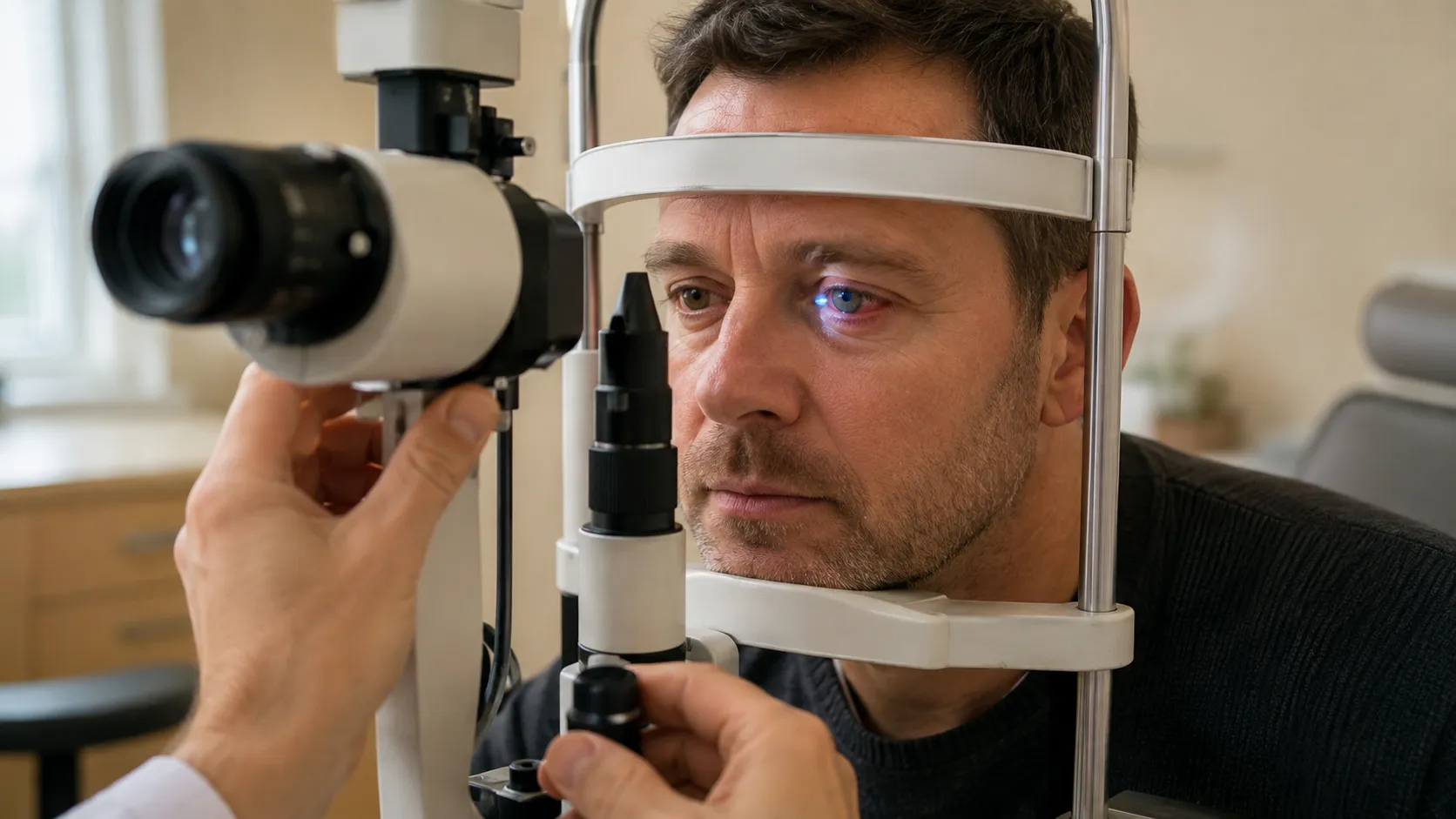
Routine eye exams catch changes early and let your clinician tailor care and supplement advice. Protecting your eyes from UV light with sunglasses that block 100% of UVA and UVB reduces cumulative damage. Together, exams and UV protection help preserve clarity and comfort for years.
| Nutrient | Role in Eye Health | Sources |
|---|---|---|
| Lutein | Filters blue light and supports the macula | Leafy greens, eggs |
| Omega-3 | Supports retinal structure and may relieve dry eye symptoms | Fatty fish, flaxseeds |
| Antioxidants | Protect against oxidative stress | Fruits, vegetables, nuts |
Adding these foods to your meals—or choosing a targeted supplement when needed—can help support eye health and everyday comfort.
Lion’s Mane may offer several cognitive benefits some people find helpful alongside other wellness practices.
- Memory enhancement: May support factors that encourage neural growth and memory formation.
- Improved focus: Could help balance neurotransmitters that support sustained attention.
- Neuroprotection: Antioxidant properties may offer protection against age‑related decline.
Effects vary and dosing depends on individual health. Talk with a healthcare professional to decide whether Lion’s Mane belongs in your plan.
Frequently asked questions
1. What are the signs that my eye health is deteriorating?
Watch for blurred vision, increased light sensitivity, frequent headaches, and ongoing eye fatigue. These symptoms can indicate inadequate nutrition or other issues. Regular eye exams catch problems early so you can take action. Lifestyle factors—long screen hours and a poor diet—can make symptoms worse, so monitor changes and mention them at your next visit.
2. How can I improve my eye health naturally?
Focus on food and habits: eat omega‑3 rich fish, leafy greens, and colorful fruits; stay hydrated; move regularly; and protect your eyes from UV light. Use the 20/20/20 rule to ease digital strain (every 20 minutes, look at something 20 feet away for 20 seconds). Small daily habits add up.
3. Are there specific eye supplements for aging eyes?
Yes. Supplements for aging eyes often include higher amounts of lutein, zeaxanthin, and omega‑3s to support macular health and reduce risk factors for age‑related conditions. Look for products supported by clinical research and discuss options with your eye care professional to match a product to your needs.
4. How do I know if my eye supplements are working?
Track symptoms—less eye strain, improved comfort, or crisper vision are good signs. Regular eye exams provide objective measures like macular pigment density and visual function. Keeping a brief journal of changes can help during follow‑up visits with your provider.
5. Can children take eye supplements, and if so, which ones?
Children can use supplements, but always consult a pediatrician first. Products for kids contain age‑appropriate doses of nutrients like lutein and omega‑3s. A clinician can recommend safe options based on your child’s diet and health history.
6. What role does hydration play in eye health?
Hydration helps keep eyes lubricated and reduces dryness and irritation. Dehydration can cause dry eyes, blurred vision, and discomfort—especially for those spending long hours on screens. Drink water throughout the day and include hydrating foods like fruits and vegetables.
7. How can I protect my eyes from screen‑related damage?
Use the 20/20/20 rule, match screen brightness to ambient light, and consider blue‑light filters or anti‑glare options. Blink regularly and use lubricating drops when needed. An ergonomic setup and good lighting also reduce strain.
1. How do I know if I need to take eye supplements?
If you have persistent digital eye strain, ongoing eye fatigue, or worsening glare sensitivity, supplements may help. They’re also useful when your diet lacks key nutrients like lutein, zeaxanthin, and omega‑3s. An eye care professional can review your symptoms and diet and recommend a personalized plan.
2. Are there any specific dietary recommendations to support eye health?
Eat a variety of colorful fruits and vegetables—especially leafy greens—plus fatty fish for omega‑3s. Nuts, berries, and other antioxidant‑rich foods add protection. Stay hydrated and maintain regular meals to support overall eye comfort.
3. What lifestyle changes can help reduce digital eye strain?
Follow the 20/20/20 rule, set screen brightness and contrast to comfortable levels, improve lighting, blink often, and use lubricating drops if needed. Pairing these habits with good nutrition can noticeably improve comfort.
4. How often should I have my eyes examined?
Most adults should have a comprehensive eye exam every one to two years, depending on age and risk factors. People with existing eye conditions or a family history of eye disease may need more frequent checks. Early detection expands treatment options and helps preserve vision.
5. Can eye supplements interact with medications?
Yes—some supplements can interact with medications like blood thinners. Always check with your healthcare provider before starting a new supplement, especially if you take prescription drugs. Your provider can identify potential interactions and advise a safe plan.
6. What is the importance of UV protection for eye health?
Long‑term UV exposure contributes to cataracts, macular degeneration, and other eye problems. Wear sunglasses that block 100% of UVA and UVB rays and use hats or visors in strong sun. Making UV protection routine helps preserve eye health over time.
7. How can I track the effectiveness of my eye supplements?
Track effects with regular eye exams and by noting symptom changes like comfort and glare sensitivity. Keeping a short journal helps. Carotenoid level tests can also show how diet and supplementation affect your nutritional status.
1. What are the potential side effects of taking eye supplements?
Most people tolerate eye supplements well, though some may experience mild stomach upset, headaches, or allergic reactions. If you have medical conditions or take other medications, consult your provider before starting. Report any worrying symptoms to your clinician.
2. How long does it take to see results from eye supplements?
Results vary. Some people notice improved comfort within weeks; measurable changes in macular pigment or vision often take several months of consistent use. Combining supplements with healthy habits usually gives the best outcomes.
3. Can eye supplements replace a healthy diet?
No. Supplements are meant to fill gaps, not replace a balanced diet. Whole foods provide a broad mix of nutrients and benefits that supplements can’t fully replicate. Use supplements as a targeted addition to a healthy eating plan.
4. Are there specific eye supplements recommended for children?
Some supplements are formulated for children, but consult a pediatrician first. Children have different nutritional needs, and a clinician can recommend safe, age‑appropriate options based on diet and health history.
5. How can I choose the right eye supplement for my needs?
Start by defining your goal—comfort, dry eye relief, or macular support. Look for products with clinically studied ingredients like lutein, zeaxanthin, meso‑zeaxanthin, and omega‑3s, and consider brands with third‑party testing. Your eye care provider can help match a product to your needs.
6. Can lifestyle changes enhance the effectiveness of eye supplements?
Yes. Eating nutrient‑dense foods, managing screen time, protecting your eyes from UV light, and keeping up with eye exams all boost supplement benefits. Combining lifestyle changes with targeted nutrition is the most reliable path to lasting comfort.
7. What should I look for in a quality eye supplement?
Choose supplements with clear ingredient lists, clinically supported nutrient forms, and independent testing for purity and potency. Key ingredients include lutein, zeaxanthin, meso‑zeaxanthin, omega‑3s, and essential antioxidants. If you’re unsure, ask your eye care professional for a recommendation.
Conclusion
Good eye care combines sensible daily habits, regular exams, and targeted nutrition when needed. Eye supplements can help fill dietary gaps and support comfort—especially for people with heavy screen use or early macular concerns. Start by recognizing symptoms, monitor your nutrient status, and discuss options like MacuHealth with your eye care provider. If you’d like, explore our selection of eye supplements to find what fits your goals and routine.