Explore Non-Invasive Eye Wellness Tests Today

Non‑Invasive Eye Wellness Tests — Antioxidant Screening and Practical Lifestyle Support
At Fox Run Eye Care, we know small, simple checks can have a big impact. Non‑invasive eye wellness tests — especially carotenoid antioxidant readings — give a straightforward picture of macular pigment so you can follow your eye health over time. Below we explain how the tests work, what your results mean, and how practical lifestyle steps and focused supplements can support your vision. We also describe the services we provide in the Seacoast New Hampshire community so you can take clear next steps for comfort and long‑term sight.
What Are Non-Invasive Eye Wellness Tests and How Do They Work?
Non‑invasive eye wellness tests measure aspects of eye health without needles, drops, or surgery. They look at markers such as macular pigment — the natural antioxidant layer at the center of the retina — to help you and your eye care team monitor changes over time. Because these tests are quick and repeatable, they’re a useful way to stay proactive about your vision.
Clinical research supports non‑invasive methods for measuring macular pigment and for understanding how carotenoids protect the macula.
Non-Invasive Macular Pigment Quantification
This review evaluates the usefulness of measuring macular pigment noninvasively and highlights the optical and antioxidant roles of the xanthophyll carotenoids lutein and zeaxanthin.
The value of measurement of macular carotenoid pigment optical densities and distributions in age-related macular degeneration and other retinal disorders, PS Bernstein, 2010
How Do Carotenoid Antioxidant Readings Measure Macular Pigment Levels?

Carotenoid antioxidant readings estimate the amounts of lutein, zeaxanthin, and related pigments in your macula — the small retinal area responsible for sharp central vision. The test uses harmless light to gauge pigment density and typically returns results within minutes. Higher macular pigment levels are often linked with improved visual performance and may help protect retinal tissue.
Specific non‑invasive techniques, such as heterochromatic flicker photometry, have been studied for measuring macular pigment optical density (MPOD) and its relationship to macular health.
Non-Invasive MPOD Measurement for Macular Health
This study looked at the connection between intermediate age‑related macular degeneration and macular pigment optical density measured noninvasively. The pigment — composed of dietary lutein and zeaxanthin — was assessed using heterochromatic flicker photometry.
KO Akuffo1, JM Nolan1, AN Howard2, R Moran1, J Stack1, R Klein3, BE Klein3, SM Meuer3, S Beatty, 2015
What Is the Difference Between Wellness Tests and Diagnostic Eye Exams?
Wellness tests and diagnostic exams serve different but complementary roles. Diagnostic exams look for existing eye disease and typically include a full retinal exam, visual acuity checks, and other clinical assessments. Wellness tests are focused on monitoring and maintaining eye health — for example, tracking antioxidant levels and lifestyle factors that influence vision. Both matter; wellness testing is a proactive complement to diagnostic care.
Why Is Eye Antioxidant Testing Important for Visual Comfort and Wellness?
Measuring antioxidants in the eye helps you understand one important piece of your vision health. Antioxidant testing shows whether your macular pigment is where it should be and helps guide changes to diet, supplements, or daily habits that support visual comfort. Regular checks make it easier to spot trends and act early.
How Do Carotenoids and Antioxidants Support Eye Health?
Carotenoids such as lutein and zeaxanthin concentrate in the macula and serve as a blue‑light filter while acting as antioxidants. They help reduce oxidative stress that can damage retinal tissue. Studies show diets rich in these pigments are associated with better visual function and may support long‑term macular health.
Published research further describes how lutein and zeaxanthin function as filters and antioxidants within the macula.
Carotenoids: Macular Protection & Antioxidant Role
Lutein and zeaxanthin are concentrated in the retina — especially in the macula — where they filter blue light and act as resident antioxidants to help reduce oxidative damage.
Macular pigment in retinal health and disease, RB Rosen, 2016
What Are the Benefits of Monitoring Eye Wellness Over Time?
Tracking macular pigment and related markers over time offers practical benefits you can act on:
- Early Awareness: Routine tests can reveal changes before symptoms show.
- Personalized Care: Results help us tailor diet and lifestyle recommendations to your needs.
- Preventive Measures: Monitoring trends lets you and your provider take steps to protect comfort and long‑term vision.
Consistent monitoring makes it easier to take timely action and preserve vision as you age.
How Can MacuHealth Supplements Support Your Eye Wellness Lifestyle?

MacuHealth supplements are formulated to support macular pigment with a targeted blend of carotenoids — lutein, zeaxanthin, and meso‑zeaxanthin. When combined with sensible lifestyle changes and regular testing, they can be a useful part of an eye‑healthy routine.
What Are the Key Benefits of MacuHealth Supplements?
The main benefits of MacuHealth include:
- Nutritional Support: Provides carotenoids that may be limited in the typical diet.
- Visual Performance: May help with contrast sensitivity and overall visual comfort.
- Antioxidant Protection: Supports defenses against oxidative stress in the macula.
How Should MacuHealth Supplements Be Used as Lifestyle Support?
To get the most from supplements, follow these simple guidelines:
- Recommended Dosage: Use the product directions for daily intake.
- Timing and Frequency: Take consistently, ideally with a meal to aid absorption.
- Professional Guidance: Talk with your eye care provider before starting any new supplement, especially if you have medical conditions or take other medications.
What Eye Wellness Services Does Fox Run Eye Care Offer in Seacoast New Hampshire?
We offer a range of eye wellness services for local patients, including non‑invasive macular pigment testing, personalized counseling, and access to targeted supplements. Our aim is to give you practical information and clear next steps to protect your vision.
How Are Non-Invasive Eye Wellness Tests Conducted at Fox Run Eye Care?
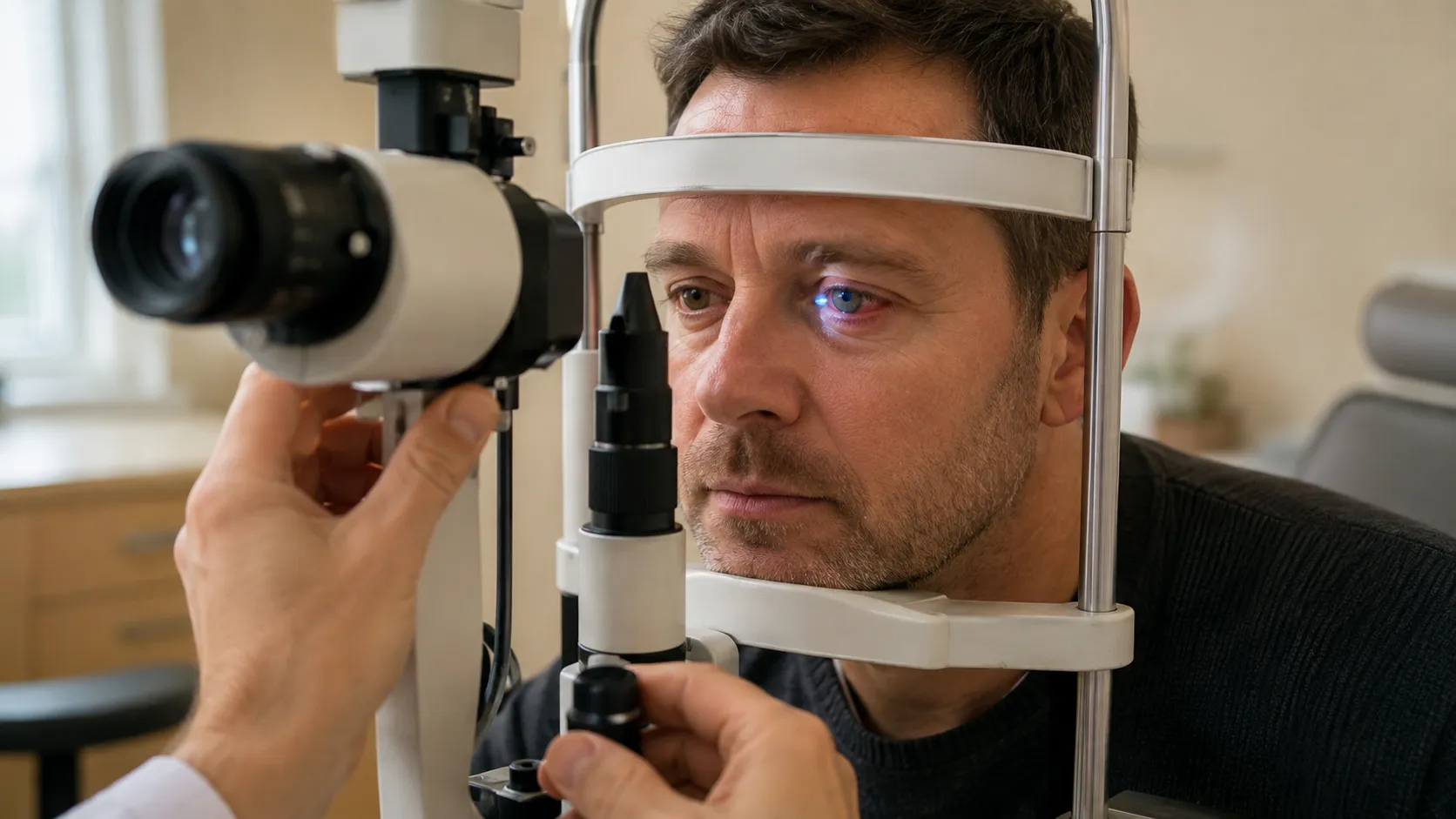
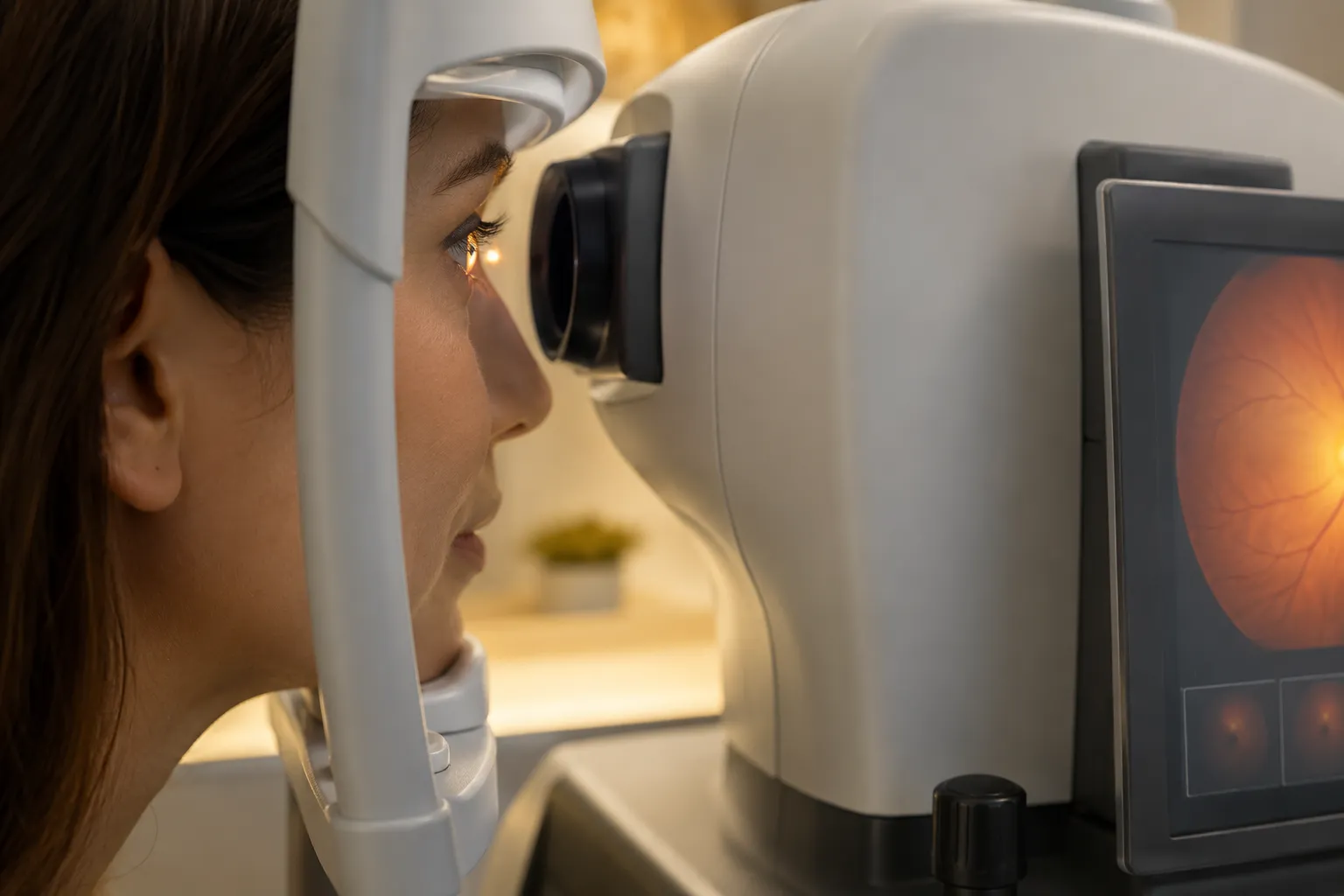
Our wellness tests use comfortable, non‑invasive devices to measure macular pigment and related markers. The process is quick and straightforward, designed to be easy for patients of all ages — giving you reliable results to track over time.
How Can Local Patients Access Eye Wellness Monitoring and Supplements?
Patients can schedule testing and discuss supplement options online or by visiting our office. Our team will walk you through testing choices and help determine whether supplements like MacuHealth fit your personal plan.
What Are Common Questions About Non-Invasive Eye Wellness Tests?
Below are answers to the questions people most often ask about these tests, including safety, frequency, and what results mean.
How Often Should Eye Antioxidant Testing Be Performed?
We typically recommend testing every 6 to 12 months, depending on your age, risk factors, and past results. Regular checks let you and your provider fine‑tune lifestyle or supplement plans as needed.
Are Non-Invasive Eye Wellness Tests Safe and Comfortable?
Yes. These tests are designed to be safe and comfortable. They don’t require drops or invasive procedures, and any brief visual sensations from the test light pass quickly. They’re a good option if you want routine monitoring without more involved exams.
Frequently Asked Questions
What types of lifestyle changes can improve my eye wellness?
Small, consistent habits add up. Eat foods rich in antioxidants — especially lutein and zeaxanthin found in leafy greens and colorful produce. Stay active to support circulation, protect your eyes outdoors with UV‑blocking sunglasses, and reduce continuous screen strain with regular breaks. Hydration and a steady sleep schedule also help. These practical steps support long‑term eye comfort.
How do I know if I need to change my diet for better eye health?
If you notice eye strain, trouble seeing in low light, or frequent blurriness, consider reviewing your diet. A lack of key nutrients — particularly carotenoids — can affect eye health. Talk with your eye care provider and use wellness testing to get clear guidance on dietary adjustments that can help.
What are the long-term benefits of regular eye wellness testing?
Regular testing helps catch changes early, so you can make timely lifestyle or supplement adjustments. Monitoring macular pigment and antioxidant status supports informed decisions that may reduce the risk of age‑related retinal changes. Over time, consistent testing allows for personalized care that evolves with your needs.
Can I perform eye wellness tests at home?
Most non‑invasive eye wellness tests are performed in clinical settings for accuracy and professional interpretation. While some home kits exist, they may not match the detail or oversight of a clinic exam. For reliable results and personalized recommendations, we recommend testing at a qualified practice like Fox Run Eye Care.
What should I do if I have a family history of eye diseases?
If eye disease runs in your family, be proactive. Schedule regular wellness tests to monitor macular pigment and antioxidant levels, and share your family history with your provider. They can recommend a testing schedule and preventive steps tailored to your risk profile.
Are there any specific supplements recommended for eye health?
Supplements containing lutein, zeaxanthin, and meso‑zeaxanthin are commonly recommended to support macular pigment and antioxidant protection. MacuHealth products are formulated to deliver these carotenoids. Always check with your eye care provider before starting any supplement, especially if you have other health concerns or take medications.
How can I stay informed about the latest research in eye wellness?
Stay connected to reputable sources: eye health journals, organizations like the American Academy of Ophthalmology, and educational webinars. Ask your eye care provider about new findings during visits. Reliable online communities and trusted newsletters can also help you follow practical, research‑backed updates.
What are the signs that I may need to consider eye wellness testing?
Signs include difficulty seeing in low light, frequent eye strain, shifts in color perception, or new blurriness. If you’re over 50 or have a family history of eye disease, routine testing becomes more important. Talk with your provider to choose the right timing based on symptoms and risk factors.
How do dietary choices impact my eye health?
Your diet plays a key role. Foods high in lutein and zeaxanthin — like spinach, kale, and colorful fruits — help protect the macula from oxidative stress. Omega‑3s from fish support retinal health too. Cutting back on processed foods and added sugars supports overall wellness and helps your eyes over the long term.
What role do lifestyle factors play in eye wellness?
Lifestyle matters. Regular exercise improves circulation, UV protection shields your eyes from damage, and limiting prolonged screen time reduces strain. Good sleep and hydration let your eyes recover daily. Together, these habits support lasting eye comfort.
Can eye wellness tests help prevent vision problems?
Yes. By monitoring macular pigment and antioxidant levels, wellness tests can identify potential issues before they progress. Early detection allows for timely dietary, lifestyle, or supplement changes that may lower the risk of age‑related vision problems.
What should I do if my test results indicate low macular pigment levels?
If your results show low macular pigment, discuss them with your eye care provider. They may recommend increasing carotenoid‑rich foods, considering a supplement like MacuHealth, and adjusting lifestyle factors such as outdoor time and light exposure. Follow‑up testing will track progress and guide next steps.
Are there specific age groups that should prioritize eye wellness testing?
People over 50 should prioritize testing because the risk of age‑related conditions rises with age. Children can also benefit while their vision develops, and anyone with diabetes or a family history of eye disease should consider more frequent monitoring. Testing schedules should be personalized to individual risk.
What lifestyle changes can enhance eye wellness?
Focus on consistent, simple habits: eat leafy greens and colorful produce, stay physically active, protect your eyes outdoors with UV‑blocking sunglasses, and manage screen time with regular breaks. Stay hydrated, maintain good sleep habits, and keep up with routine checkups and antioxidant monitoring.
Can children benefit from non-invasive eye wellness tests?
Yes. Non‑invasive tests can be helpful for children while their visual systems are developing. Early monitoring can identify concerns sooner and guide nutrition or lifestyle steps to support healthy vision. Discuss timing and frequency with your eye care provider.
What should I expect during a non-invasive eye wellness test?
The test is quick and comfortable. A handheld or tabletop device uses light to estimate macular pigment density — there are no drops or invasive steps. Most tests take just a few minutes, and you’ll receive immediate feedback.
How do I interpret my eye antioxidant test results?
Higher carotenoid levels generally suggest stronger macular pigment and may indicate a lower risk for some age‑related retinal changes. Your eye care team will explain where your results fall on common benchmarks and recommend lifestyle or supplement changes if needed to support your eye health.
Are there any risks associated with non-invasive eye wellness tests?
These tests are very safe. Because they’re non‑invasive, risks are minimal. A few people report brief visual sensations from the light exposure, but those effects pass quickly. If you have specific concerns or pre‑existing eye conditions, discuss them with your provider before testing.
How can I maintain my eye health between tests?
Take a whole‑person approach: eat antioxidant‑rich foods, stay active, protect your eyes from UV and excessive blue light, and get regular sleep. Follow any supplement or lifestyle guidance from your eye care team and come in for routine visits so we can monitor changes and support your vision over time.
Conclusion
Non‑invasive eye wellness tests deliver clear, actionable information about macular pigment and antioxidant status so you can protect your vision proactively. Combined with sensible lifestyle habits and, when appropriate, supplements like MacuHealth, these tests help you take practical steps toward lasting visual comfort. Ready to learn more? Schedule an eye wellness test at Fox Run Eye Care and let our team help you prioritize your sight.